Technology companies have a complicated relationship with branded merchandise. Developers and designers are some of the most brand-loyal professionals on the planet — people who will wear a Stripe hoodie or carry a Figma tote bag for years because it signals membership in a community they genuinely care about. Those same people will throw a cheap polyester polo directly into the donation bin without a second thought. The gap between merch that gets adopted and merch that gets discarded is wider in tech than in almost any other industry.
This guide covers how technology companies can build merchandise programs that align with their culture, serve real operational needs, and produce items people actually want. The goal is not a product catalog but a framework for thinking about merch strategically. For the foundational principles behind every branded item a company produces, the complete guide to custom branded merchandise covers sourcing, decoration, and program architecture in depth.
Why Tech Companies Need a Different Merch Strategy
Most merchandise playbooks were written for industries with centralized workforces and uniform dress codes. Tech companies operate differently. Teams are distributed across time zones. Culture lives in Slack channels and GitHub repos, not company picnics. Employees evaluate every branded item through a design-literacy filter that most consumer brands would envy.
The standard approach — order five hundred polo shirts with an oversized logo — does not just underperform in tech. It actively damages the brand. Engineers interpret cheap, lazy merch as a signal about the company's standards. The companies that get merch right treat it as a brand design problem, not a procurement task, applying the same rigor to blank selection and decoration placement that they apply to their product UI.

Merch for Distributed Engineering Teams
When your engineering team spans San Francisco, Berlin, Bangalore, and a dozen home offices in between, physical merchandise becomes one of the few tangible connectors that make a distributed organization feel like a single team. A shared hoodie worn during a video standup creates a subtle but real sense of cohesion that no virtual background can replicate.
The challenge is logistics. Shipping apparel internationally means navigating customs duties, size-system differences, and carrier reliability gaps. Regional inventory hubs, pre-cleared shipments, and localized size guides eliminate the friction. For teams designing welcome packages for remote engineers, the remote team welcome kit guide covers product selection and logistics in detail.
Product-wise, distributed teams gravitate toward daily-use items: a premium midweight hoodie that doubles as camera-ready standup attire, an insulated water bottle that lives on the desk, and a quality notebook for technical sketching. Skip the novelty items — remote workers need products that earn a permanent spot in their daily environment.
Developer Conference and Hackathon Swag
Conferences are where tech merch reputations are built or destroyed. Developers compare booth swag with genuine opinion and zero hesitation about publicly ranking the results. The companies that win understand the goal is not distributing the most items — it is producing the one item attendees keep, wear, and photograph.
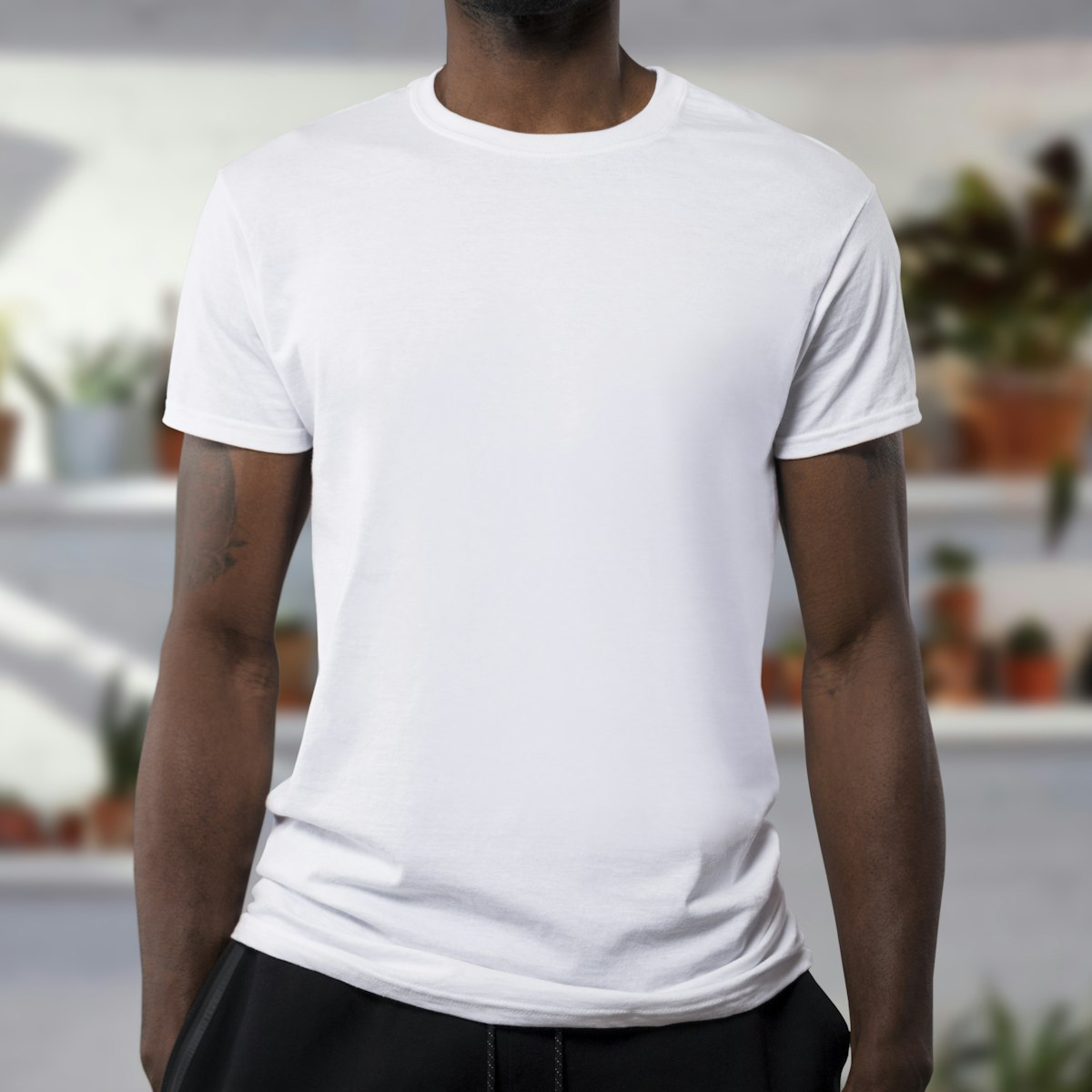
A single high-quality tee with a clever graphic will outperform a bag of stress balls and cheap sunglasses every time. A heavyweight cotton tee with a tasteful screen print, a premium enamel pin, or a technical backpack attendees actually use on their commute — these generate organic social impressions for months. Hackathon swag follows different rules: limited-edition items tied to the specific event create the scarcity developers respond to. The conference booth swag guide breaks down product selection and distribution strategy for your next event.
Recruitment and Employer Branding Merch
In a competitive talent market, the offer letter is only part of the closing package. A pre-start welcome kit that arrives before day one transforms the acceptance-to-start-date gap from anxious waiting into anticipation. The physical kit signals that the company is organized, thoughtful, and genuinely excited about the new hire.
For engineering and product roles, effective recruitment kits include one premium apparel piece — a hoodie or quarter-zip for the first team call — alongside a practical desk item and a handwritten note from the hiring manager. Three excellent items in clean packaging outperforms eight mediocre items crammed into an oversized box. Employer branding extends beyond the offer stage: intern cohort merch, anniversary milestone kits, and team-specific gear all reinforce belonging at critical moments in the employee lifecycle.
Product Launch and Milestone Merchandise
Shipping a major release, hitting a funding milestone, or celebrating a product anniversary — these moments deserve physical commemoration. Limited-run merchandise tied to specific achievements creates internal pride and external visibility simultaneously.
The best launch merch tells a story. A tee referencing the internal codename. A pin set marking each phase of the roadmap. A custom jacket reserved for the team that shipped the feature. These become artifacts of shared effort that carry more emotional weight than any all-hands slide deck. For customer-facing launches, early-access kits for beta testers and limited-edition drops generate attention and deepen loyalty.
Building a Branded Swag Store for Your Team
As merch programs grow beyond ad-hoc orders, the most effective approach is centralizing through an internal store. A branded storefront gives employees, team leads, and event coordinators a single destination to browse approved products, select sizes, and place orders without involving procurement in every transaction.
Brand governance is enforced automatically — every product uses approved logos, colors, and decoration methods. Inventory visibility is centralized. Budgets can be allocated by team with spending controls built in. For engineering-driven cultures, the storefront becomes a self-service tool: browse, select, done. No tickets, no three-week waits. The event and conference swag guide explores how centralized stores support high-volume event merch alongside everyday team needs.
What Tech Employees Actually Want to Wear
The items that earn repeat wear share three characteristics. First, genuinely comfortable, durable fabrics — midweight fleece, ring-spun cotton, technical blends that hold their shape after washing. Second, restrained branding — a small embroidered logo on the chest or a subtle woven label signals affiliation without turning the wearer into a walking billboard. Third, a current fit and silhouette. A boxy unisex cut from a decade ago reads as dated regardless of the brand.
Beyond apparel, tech employees consistently value items that integrate into their workflow: laptop sleeves that fit their actual machine, desk mats that improve workspace aesthetics, cable organizers that solve a real problem. Every item should answer the question — why would someone choose this over the unbranded alternative they could buy themselves?
Scaling Merch Operations as Your Company Grows
A twenty-person startup can manage merch through enthusiasm and spreadsheets. A two-hundred-person company cannot. The inflection point usually arrives between fifty and one hundred employees, when the volume of requests overwhelms whatever informal system held things together.
Scaling requires three investments: a curated product catalog with pre-approved items and locked pricing, a fulfillment workflow connecting order triggers to assembly and shipping without manual intervention, and budget visibility that lets finance track spending by team and category. For companies building on existing infrastructure, the Brandmerch developer tools offer API access that connects merch operations directly to internal systems — HRIS platforms, event tools, CRM workflows — making merchandise a programmable part of the company's operational stack rather than a disconnected side process.