Hospitality merchandise splits into three jobs that are usually bought as one: staff uniforms, in-room and amenity items, and retail guests actually pay for. They have different budgets, different replacement cycles and different buyers, and treating them as one line is why hotel merch programs tend to end up with the wrong stock in the wrong quantity.
The three jobs
| Staff apparel | Amenity & in-room | Retail | |
|---|---|---|---|
| Bought by | Operations / HR | Housekeeping / F&B | Retail or marketing |
| Cycle | Annual, plus new starters | Continuous consumption | Seasonal |
| Decides it | Durability through commercial laundry | Unit cost at volume | Whether a guest would buy it unbranded |
| Common mistake | Consumer-grade fabric that fails in months | Over-ordering a seasonal item | Logo too large to be wearable off-property |
Multi-property is the real problem
- One approved catalog, ordered locally. Properties order themselves — from a set corporate approved. Not a guidelines PDF.
- Per-property budgets enforced at checkout, so a general manager sees the remaining balance before ordering rather than after.
- One inventory position across properties. Stock at one hotel should be visible to the group before anyone reorders.
- Size curves differ by property and role. A single group-wide curve strands stock somewhere every time.
What holds up in a commercial laundry
The single most expensive hospitality merch mistake is buying retail-grade apparel for staff. Commercial washing at high temperature destroys consumer garments in months. Ask any supplier specifically about industrial laundry rating and colourfastness, not just fabric weight — a heavier shirt that fades in eight weeks is worse value than a lighter one rated for the cycle.
Walk into a well-run hotel and every detail tells you something about the brand — the weight of the robe on the bathroom hook, the embroidered crest on the concierge's polo, the tote bag waiting in the gift shop with a pattern that could only belong to this property. Hospitality lives and dies by sensory consistency. Guests rarely articulate why one resort feels premium and another feels generic, but the answer is often in the merchandise: the branded touchpoints that surround them from check-in to checkout.
The challenge is that hospitality merchandise operates under constraints most industries never encounter. Staff uniforms endure commercial laundering hundreds of times. Guest amenities must feel luxurious at scale. Gift shop products need to generate revenue while reinforcing — not cheapening — the brand. And multi-property groups need all of this to stay consistent across dozens of locations and thousands of SKUs. For hospitality operators building or upgrading a merchandise program, the complete guide to custom branded merchandise provides the foundational framework for sourcing, decoration, and fulfillment.
Why hospitality merchandise is different from corporate merch
Corporate merchandise programs optimize for cost efficiency and brand awareness. Hospitality merchandise optimizes for experience. That distinction reshapes every decision from fabric selection to packaging.
A tech company ordering five hundred branded hoodies for a conference can tolerate a mid-tier blank and an oversized screen print. A boutique hotel ordering five hundred robes for guest rooms cannot. The hoodie communicates belonging. The robe communicates luxury — and guests will judge the entire property by how it feels against their skin after a shower. Similarly, a restaurant's server uniforms are not promotional items. They are costumes in a choreographed experience, and they need to perform through double shifts, spills, and commercial wash cycles without losing their shape or color.
The other fundamental difference is audience diversity. Corporate programs typically serve one audience — employees, clients, or event attendees. Hospitality programs serve guests, staff, retail customers, loyalty members, and event clients simultaneously, each with distinct quality expectations and use contexts. A single merchandise partner that cannot navigate that complexity becomes a bottleneck.
Staff uniforms and brand standards
Uniforms are the single largest merchandise investment for most hospitality operations, and they are also the most visible. A server's apron, a front-desk associate's blazer, a groundskeeper's polo — these are the costumes that set the stage for every guest interaction.
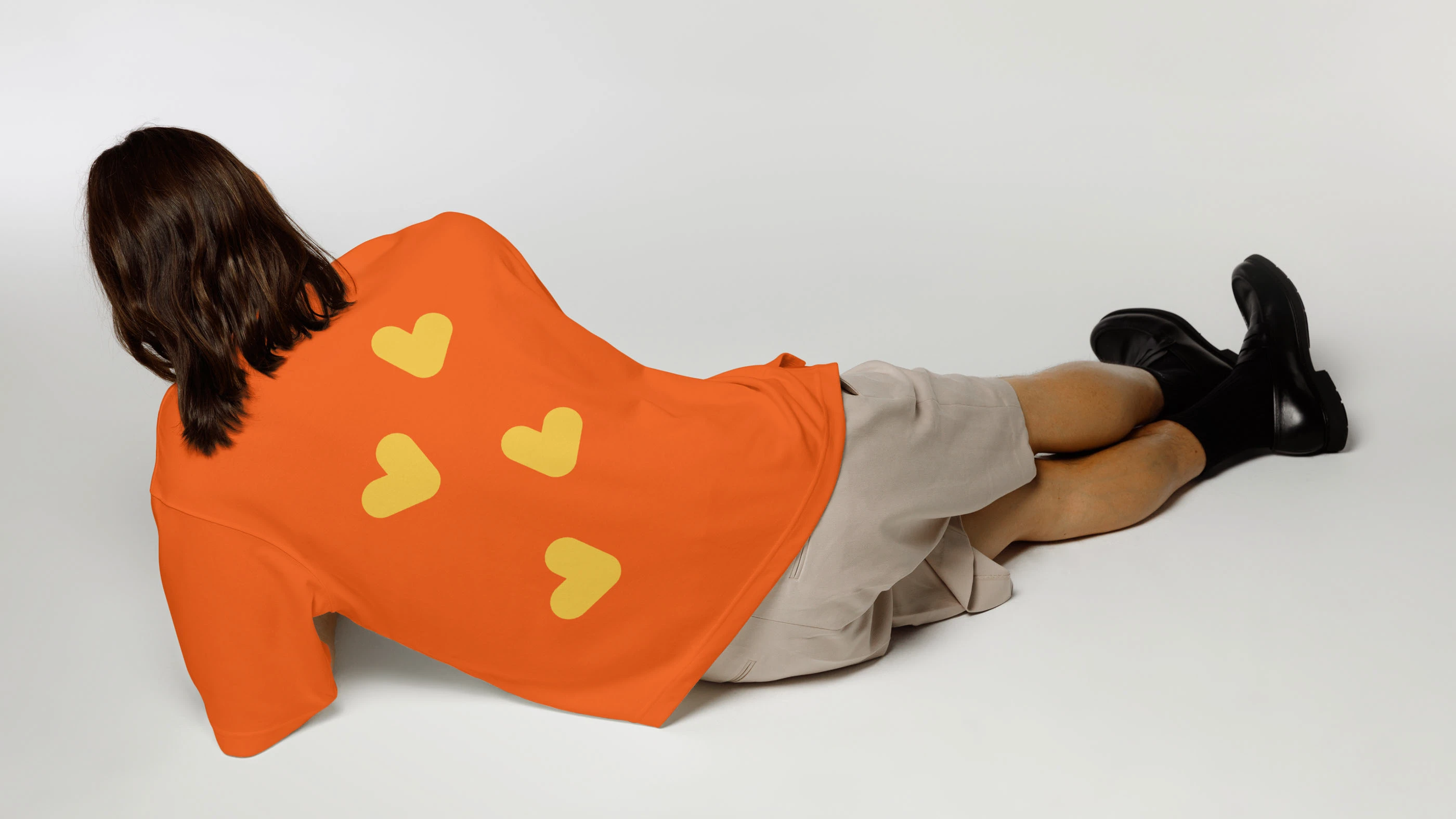
The non-negotiable requirements are durability, comfort, and brand alignment. Durability means fabrics and construction that survive industrial laundering — typically fifty to one hundred wash cycles minimum before visible degradation. Comfort means stretch blends, moisture-wicking properties, and sizing that accommodates eight-to-twelve-hour shifts. Brand alignment means color accuracy across production runs, consistent placement of logos and insignia, and a silhouette that matches the property's positioning.
Embroidery is the dominant decoration method for hospitality uniforms because it withstands laundering far better than screen printing or heat transfer. A well-embroidered polo maintains its logo clarity through years of commercial washing. For properties evaluating decoration options, the screen printing vs. embroidery guide breaks down durability, cost, and aesthetic tradeoffs for every product category.
Operationally, uniform programs require size management, replacement forecasting, and seasonal rotation. Properties in warm climates need lighter-weight options. Ski resorts need layering systems. Multi-property groups need centralized ordering with property-level customization — same brand standards, but adjusted for local climate and role requirements.
Guest amenities and in-room branding
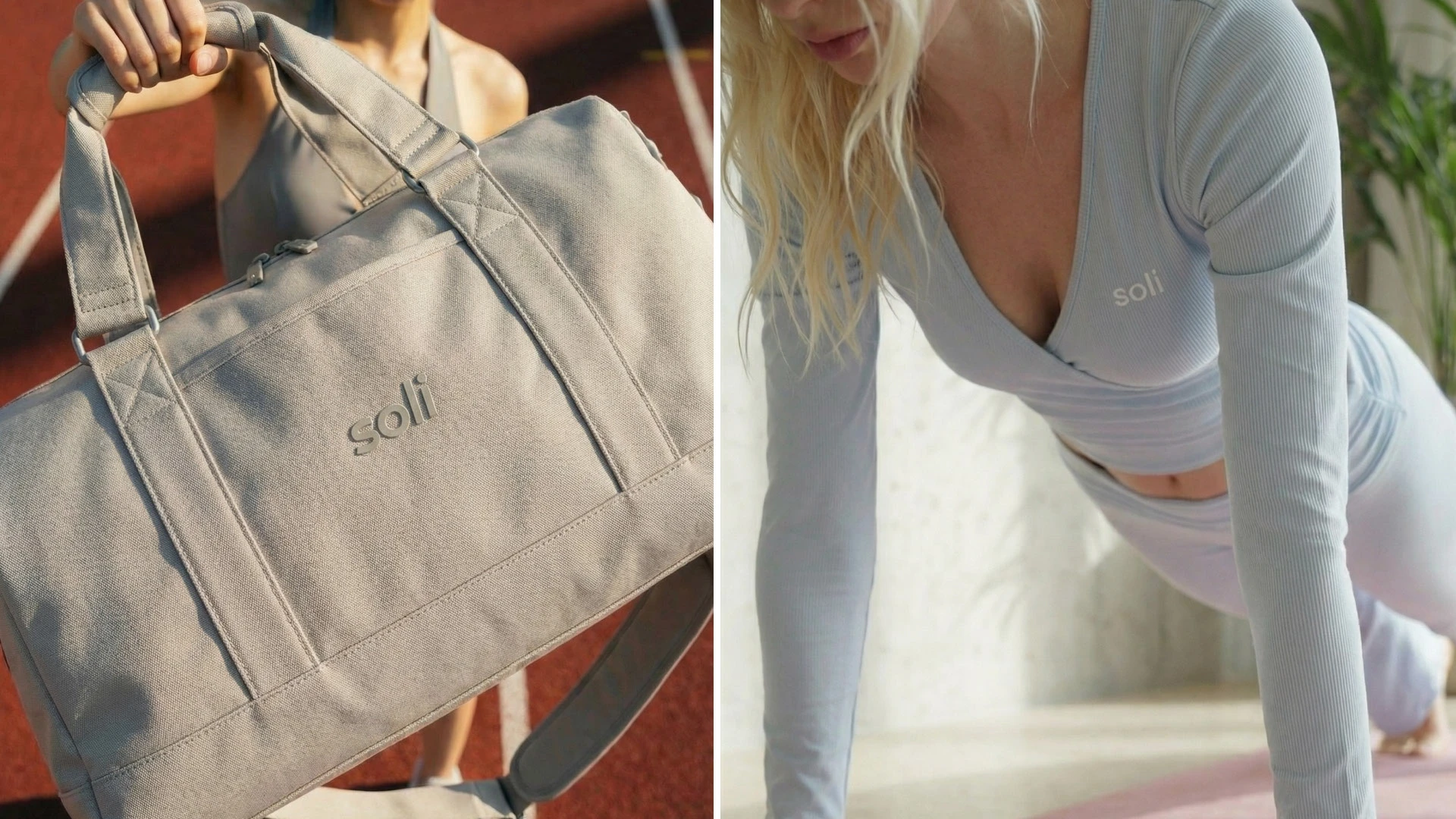
In-room merchandise creates the most intimate brand touchpoint in hospitality. Guests interact with these items privately, often in moments of relaxation, which means the quality bar is absolute. A scratchy robe or a flimsy slippers set does not just disappoint — it actively erodes the premium perception that the lobby, the room design, and the service team built.
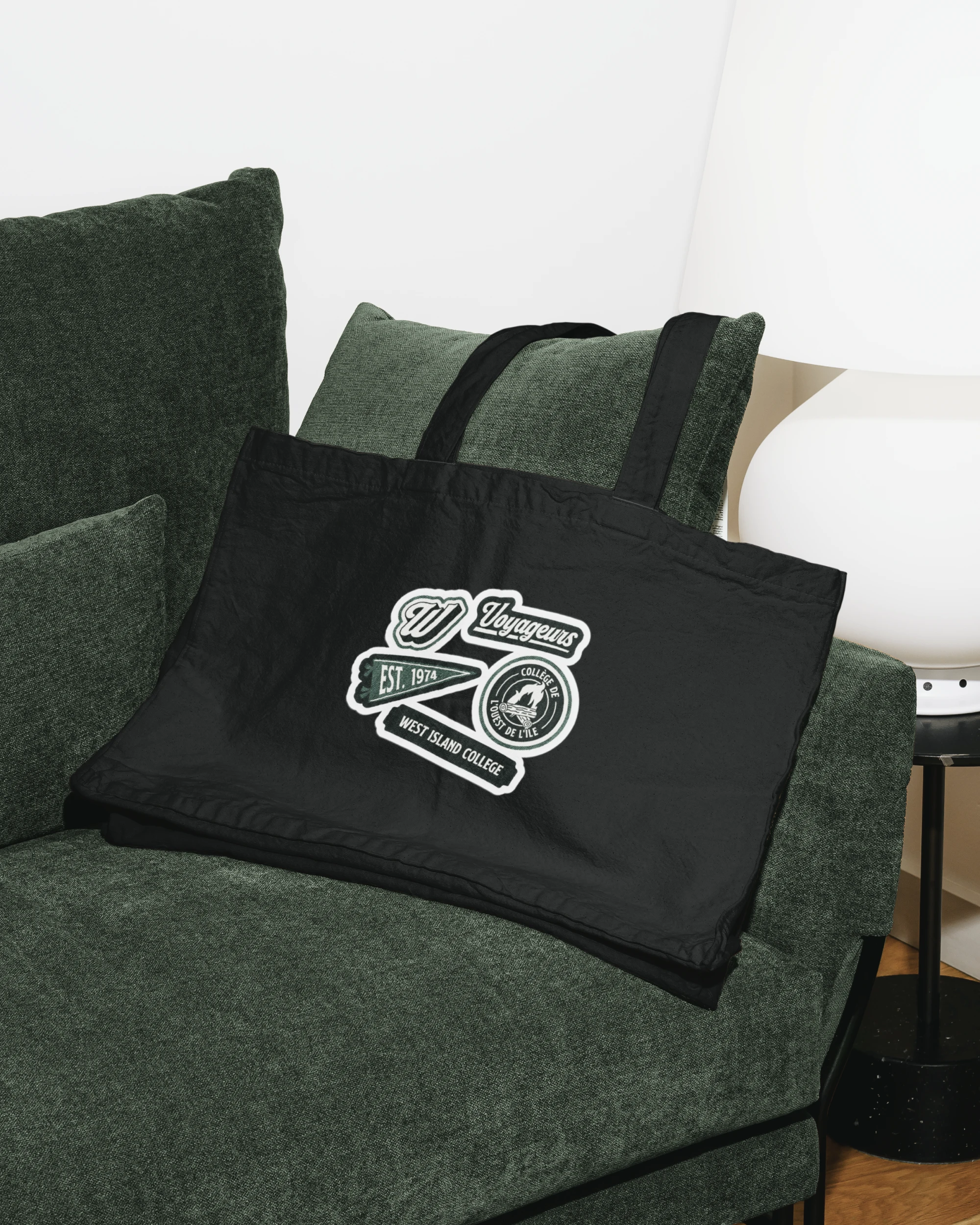
The highest-performing in-room branded items are robes, slippers, tote bags, and drinkware. Robes and slippers should feel indulgent enough that guests consider purchasing them — which is both a brand goal and a revenue opportunity. Branded tote bags placed in-room serve double duty: they are useful during the stay for beach or pool trips and they travel home as organic advertising.
In-room drinkware is an emerging category. A branded ceramic mug beside the coffee maker or an insulated tumbler by the minibar subtly reinforces brand presence during quiet morning moments. Properties that commit to quality here create an unspoken conversation: this brand pays attention to details you did not even think to notice.
The experiential dimension of in-room merchandise parallels what brands like SoulCycle have achieved with signature sensory branding. For a deeper look at how physical products create emotional brand connections, the SoulCycle case study explores how one brand turned merchandise into ritual.
Gift shop and on-property retail
Hotel and resort gift shops occupy a unique retail niche. Customers are already emotionally engaged with the brand — they are literally living inside it — which creates a purchasing context no e-commerce store can replicate. The challenge is offering products that feel worth buying rather than obligatory souvenirs.
The best-performing gift shop merchandise falls into three categories. First, destination-branded apparel: caps, tees, and lightweight layers featuring the property name or a distinctive design element that guests want to wear as a memento. These items succeed when the design is something a guest would be proud to wear at home — not just a logo on a blank. Second, functional accessories: quality tote bags, insulated drinkware, and travel accessories that guests can use immediately and beyond their stay. Third, premium branded goods: robes, candles, and specialty food items that let guests take a piece of the on-property experience home.
Pricing strategy matters. Gift shop items priced at a premium must justify it through quality and design. Items priced accessibly — a branded sticker, a luggage tag, a keychain — serve as low-barrier purchases that extend brand presence without requiring a major commitment. The strongest programs layer both tiers, capturing revenue from casual browsers and committed brand enthusiasts alike.
Loyalty program merchandise
Loyalty programs are the hospitality industry's most powerful retention tool, and merchandise is an underutilized lever within them. Points-based systems traditionally funnel toward room nights and upgrades, but branded merchandise creates tangible rewards that keep the brand present between stays.
Effective loyalty merchandise tiers mirror the program structure. Entry-level rewards — a branded luggage tag, a premium cap, a drinkware set — acknowledge membership and create daily-use brand reminders. Mid-tier rewards — a quality jacket, a weekender bag, premium amenity sets — reward engagement and feel genuinely valuable. Top-tier rewards — exclusive collaboration products, limited-edition items, or custom experiences paired with merchandise — create aspirational targets that drive higher engagement.
The operational key is that loyalty merchandise must feel exclusive, not leftover. If the same products are available in the gift shop, there is no perceived reward in earning them through loyalty. Limited colorways, member-only designs, or co-branded collaborations create the differentiation that makes loyalty merchandise compelling. For guidance on structuring gifting programs at this level, the complete guide to corporate gifting covers tiered program design in depth.
Event and catering branded goods
Hotels and resorts that host events — conferences, weddings, corporate retreats, galas — have an additional merchandise opportunity that many underutilize. Event-specific branded goods serve both the event organizer and the property.
For corporate events, properties can offer co-branded merchandise production as an add-on service: the event organizer's logo paired with the property's branding on welcome bags, lanyards, drinkware, or apparel. This positions the property as a full-service partner rather than just a venue. For weddings and private events, custom welcome bags with property-branded items — a map, a snack selection, a branded water bottle — elevate the arrival experience while embedding brand touchpoints.
The revenue opportunity is meaningful. Event merchandise can be offered as a package add-on during the booking process, creating incremental revenue at high margins. Properties that invest in streamlined ordering — pre-designed templates, quick customization, reliable fulfillment — capture business that would otherwise go to external vendors. Exploring available decoration methods helps event teams understand production timelines and what is feasible for fast-turnaround event merchandise.
Managing multi-property merchandise consistency
For hotel groups, resorts with multiple properties, and restaurant chains, merchandise consistency is the hardest operational problem to solve. Each property has local preferences, unique environmental demands, and individual management teams making sourcing decisions. Without centralized standards, brand presentation fragments.
The solution is a centralized merchandise framework with local flexibility built in. Brand standards define approved products, decoration specifications, color palettes, and quality minimums. Within those standards, individual properties can select from an approved catalog to fit local needs — lighter fabrics in tropical locations, heavier options in mountain settings, regional design elements where appropriate.
Technology makes this manageable at scale. A branded storefront configured for the hospitality group gives each property access to the approved catalog, handles ordering and fulfillment centrally, and provides group-level visibility into spend, inventory, and compliance. Property managers get autonomy within guardrails, and the brand team maintains consistency without micromanaging every order.
Building a hospitality merchandise program
Starting a hospitality merchandise program — or upgrading an ad hoc collection of vendor relationships into a cohesive strategy — requires honest assessment of current gaps and clear prioritization.
Begin with an audit. Catalog every branded item currently in use across staff uniforms, guest amenities, gift shop inventory, event materials, and loyalty rewards. Evaluate each against brand standards: Does the quality match the brand promise? Is the branding consistent? Are items sourced efficiently or through fragmented vendor relationships?
Next, prioritize by guest impact and operational urgency. Uniforms and guest-facing amenities are typically the highest-impact starting points because they affect every guest on every stay. Gift shop and loyalty merchandise can follow as the operational foundation stabilizes.
Finally, consolidate sourcing. Working with a single partner that can handle the breadth of hospitality needs — from embroidered polos to premium robes to retail-ready tote bags — eliminates the overhead of managing multiple vendors and ensures consistent quality across categories. For properties ready to explore, reaching out for a consultation is the fastest path to understanding what a consolidated program looks like for your specific operation.
The hospitality brands that guests remember — and return to — are the ones that treat every physical touchpoint as an extension of their promise. Merchandise is not a back-office procurement task. It is the fabric of the guest experience, literally and figuratively.