When a new hire walks into an office on day one, the welcome kit is easy. It sits on a desk, arranged alongside a laptop and a fresh notebook, waiting to be discovered. The moment is choreographed by proximity. But when a new hire starts from a kitchen table in Denver, a co-working space in Lisbon, or a spare bedroom in Austin, that choreographed moment disappears — and the welcome kit has to do far more heavy lifting to fill the gap.
Remote welcome kits are not a variation of in-office kits with a shipping label attached. They are a fundamentally different operational challenge with different product considerations, different timing constraints, and different emotional stakes. For distributed teams, the welcome kit is often the only physical proof that a company exists beyond a Slack workspace and a calendar invite. Getting it right matters more than most people-ops teams realize, and the complete guide to employee welcome kits lays the strategic foundation for every decision covered here.
Why Remote Welcome Kits Require a Different Approach
In-office kits benefit from controlled conditions. Someone on the people team stages the box at a desk the night before, verifies the contents, and knows the recipient will encounter it within hours. None of that applies when a kit ships to a residential address across time zones.
Remote kits must survive transit — sometimes across state lines, sometimes internationally. They arrive without context unless you deliberately build context into the package itself. The recipient opens the box alone, without a manager standing nearby to narrate the significance of each item. Every product, every insert, every detail of the packaging has to communicate what a welcoming office environment would have communicated naturally.
There is also a timing dimension that in-office programs can ignore. A kit that arrives three days after the start date feels like an afterthought. A kit that arrives two weeks early feels disconnected from the job. The window is narrow — one to three days before day one — and hitting it consistently across dozens of addresses and carrier networks requires planning that goes beyond placing an order and hoping for the best.
What to Include in a Remote Welcome Kit
The product framework for remote kits follows a principle: every item should either support daily remote work, create a sense of team identity, or make the recipient feel personally considered. Items that do none of these become clutter in someone's home, which is the opposite of the intended effect.
A premium hoodie with subtle branding anchors the kit. Remote workers wear hoodies constantly — on video calls, during focused work blocks, on walks between meetings. A well-fitted midweight fleece with a small embroidered logo becomes part of someone's daily rotation in a way that a stiff polo never will.
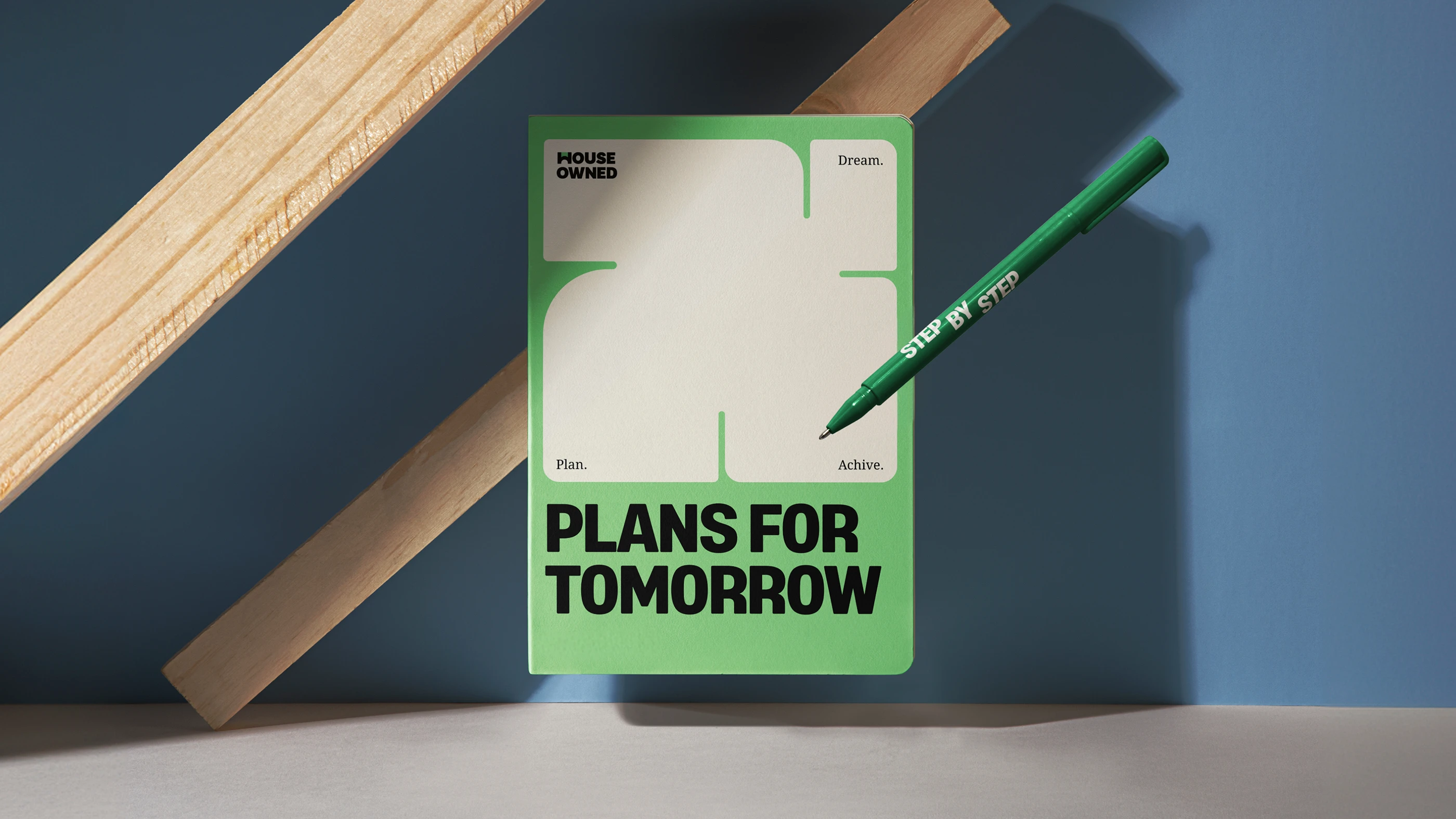
Pair the hoodie with a product that supports the home-office workflow. A quality notebook, a branded desk mat, or a webcam privacy cover — something the recipient will see and use every workday. A vacuum-insulated water bottle bridges the gap between utility and daily brand presence, sitting on a desk during standups and traveling to coffee shops on afternoons off.
For remote teams specifically, include a first-week guide printed or tucked into the box. Map each item to an onboarding activity: wear the hoodie during team introductions, bring the notebook to orientation sessions, use the water bottle during virtual coffee chats. This transforms a box of products into an integrated onboarding companion. The employee onboarding gift ideas guide catalogs dozens of additional product options organized by budget and use case.
Solving the Logistics Puzzle: Addresses, Sizes, and Shipping
Logistics is where most remote kit programs stall. The challenge is not choosing great products — it is getting the right products to the right addresses in the right sizes before the right date, repeatedly, without a dedicated warehouse team.
Address collection should happen during the offer-acceptance phase, not after. Embed a simple form in the welcome email that captures shipping address, apparel size, and any delivery notes in one step. Waiting until after the start date to collect this information guarantees the kit will arrive late. For international hires, flag the address early so you can route through carriers that handle customs declarations without delays.
Sizing is the single most common failure point. Nothing undermines a thoughtful kit faster than a hoodie that does not fit. When you can collect sizes individually, do it. When you cannot — fast hiring sprints, acquisitions, last-minute offers — maintain a balanced inventory weighted toward your workforce's statistical middle. Track actual size data after every batch and adjust ratios quarterly so your distribution curve sharpens over time.
Multi-location shipping is expensive if handled ad hoc. Kits going to fifteen different states cost significantly more per unit than a single bulk shipment to an office. The most effective approach is to centralize assembly in one location and use a fulfillment workflow that generates individual shipping labels from a recipient list. Teams shipping more than ten kits per month typically find that a managed storefront with built-in fulfillment costs less than the fully-loaded expense of doing it internally.
Unboxing Experience: Making Remote Feel Personal
The unboxing moment is the entire first impression for a remote hire. There is no office tour, no desk balloon, no team lunch on day one. The box is it.
Packaging matters more than most teams budget for. A plain brown shipper with loose items rattling inside communicates efficiency, not warmth. A clean branded box with tissue paper, an organized layout, and a printed welcome card on top communicates that someone anticipated this person's arrival and cared enough to get the details right. The incremental cost of upgraded packaging is typically two to four dollars per kit — trivial against the emotional return.
Personalization does not require bespoke production. A printed card with the new hire's name and a brief message from their manager transforms a standardized kit into something that feels individual. Some teams include a team photo card or a short welcome video QR code that connects the physical package to the people behind it. These touches take minutes to prepare and carry outsized emotional weight.
Budget Planning for Remote Kits
Remote kits cost more than in-office kits because of shipping and individual fulfillment labor. Plan for it rather than being surprised by it. A realistic budget framework looks like this: product costs of fifty to one hundred thirty dollars per kit, packaging costs of three to eight dollars, and shipping costs of eight to twenty dollars depending on weight and geography. Add ten to fifteen percent for fulfillment labor or platform fees.
The total per-kit investment typically lands between seventy and one hundred seventy-five dollars. That sounds significant until you compare it to the cost of replacing a remote employee who never felt connected — which runs fifty to two hundred percent of their annual salary. For a broader perspective on how branded merchandise investments translate to retention and engagement ROI, the complete guide to custom branded merchandise frames the financial logic behind every branded product a company produces.
Scaling Remote Kits from 5 to 500 per Month
At five kits per month, one person with a spreadsheet and a trip to the post office can manage everything. At fifty, that same person is drowning in address confirmations, size exchanges, and carrier tracking numbers. At five hundred, the program either runs on automated infrastructure or it does not run at all.
The scaling path follows a predictable arc. Below twenty-five kits per month, focus on perfecting the product mix and the unboxing experience. Between twenty-five and one hundred, invest in a repeatable fulfillment workflow — standardized assembly instructions, pre-packed core kits with personalization slots, and a tracking system that confirms delivery before the start date. Above one hundred, connect your HRIS to your fulfillment pipeline so that a confirmed start date automatically triggers kit assembly and shipping without manual intervention.
Teams that resist this progression end up with a people-ops coordinator spending twenty hours a week on kit logistics instead of onboarding strategy. The Brandmerch learning hub walks through the operational architecture behind scalable kit programs for teams at every stage of this growth curve.
Common Remote Kit Mistakes
The same mistakes appear across companies of every size, and most of them are preventable with basic awareness.
Shipping after the start date. A welcome kit that arrives on day four is not a welcome — it is a reminder that the company was not prepared. Build backward from the start date and add buffer for carrier variability. If the kit cannot arrive on time, send a digital preview with a tracking link so the new hire knows it is coming.
Ignoring climate and geography. A fleece hoodie shipped to a new hire in Phoenix in July communicates autopilot, not thoughtfulness. Build regional product variants into your kit logic. A lightweight quarter-zip for warm climates and a midweight hoodie for cooler regions costs marginally more to manage and dramatically improves the recipient experience.
Treating the kit as a one-time project. The best remote kit programs run quarterly retrospectives. They track delivery success rates, size-exchange frequency, and post-delivery sentiment. They retire products that recipients do not use and test new items each cycle. Without a feedback loop, the program cannot improve — and a stale kit that has not changed in eighteen months signals organizational inertia.
Overloading the box with filler. Every item in a kit that ends up in a drawer dilutes the impact of the items that matter. A quality branded backpack and a premium hoodie create more lasting impression than a backpack, a hoodie, a stress ball, a cheap pen, a lanyard, and a mousepad. Edit ruthlessly. The best kits feel curated, not stuffed.
Remote onboarding will only become more common as distributed work continues to expand. The companies that invest in their welcome kit programs now — building the logistics, refining the product mix, creating genuine unboxing moments — will have a measurable advantage in retention and engagement over those still scrambling to ship a box after the start date has already passed.