Every dollar a nonprofit spends on merchandise is a dollar someone donated to advance a mission. Spend too little and the merchandise looks cheap, which undermines the organization's credibility. Spend too much and the board and the donors ask why that money did not go to programming. The organizations that get this right make every item earn its place. For the fundamentals of sourcing, decoration, and fulfillment, start with the complete guide to custom branded merchandise.
Why merchandise matters for nonprofits
Awareness drives funding. A social post disappears in a day. A branded t-shirt worn weekly for two years generates thousands of impressions at school pickups, gyms and neighborhood walks — places digital advertising cannot reach.
Merchandise also builds identity. Supporters who wear your brand are publicly affiliating with your mission, and that act deepens their commitment. They stop being donors and start being ambassadors.
And it creates a value exchange. A five-dollar donation feels abstract. A twenty-five-dollar donation that comes with a quality t-shirt and a sticker pack feels like a fair trade, which raises average gift size.

Fundraising merchandise that generates revenue
The best fundraising merchandise pays for itself: sold at a margin that covers production and returns net revenue to the mission, while spreading the brand to new audiences.
T-shirts lead the category. A tee on a ringspun cotton blank costs seven to twelve dollars per unit at moderate volume and sells for twenty-five to thirty-five. Design quality decides the outcome. A logo on a white tee sells reluctantly. A design people would wear even if they did not know the organization sells fast and gets worn for years.
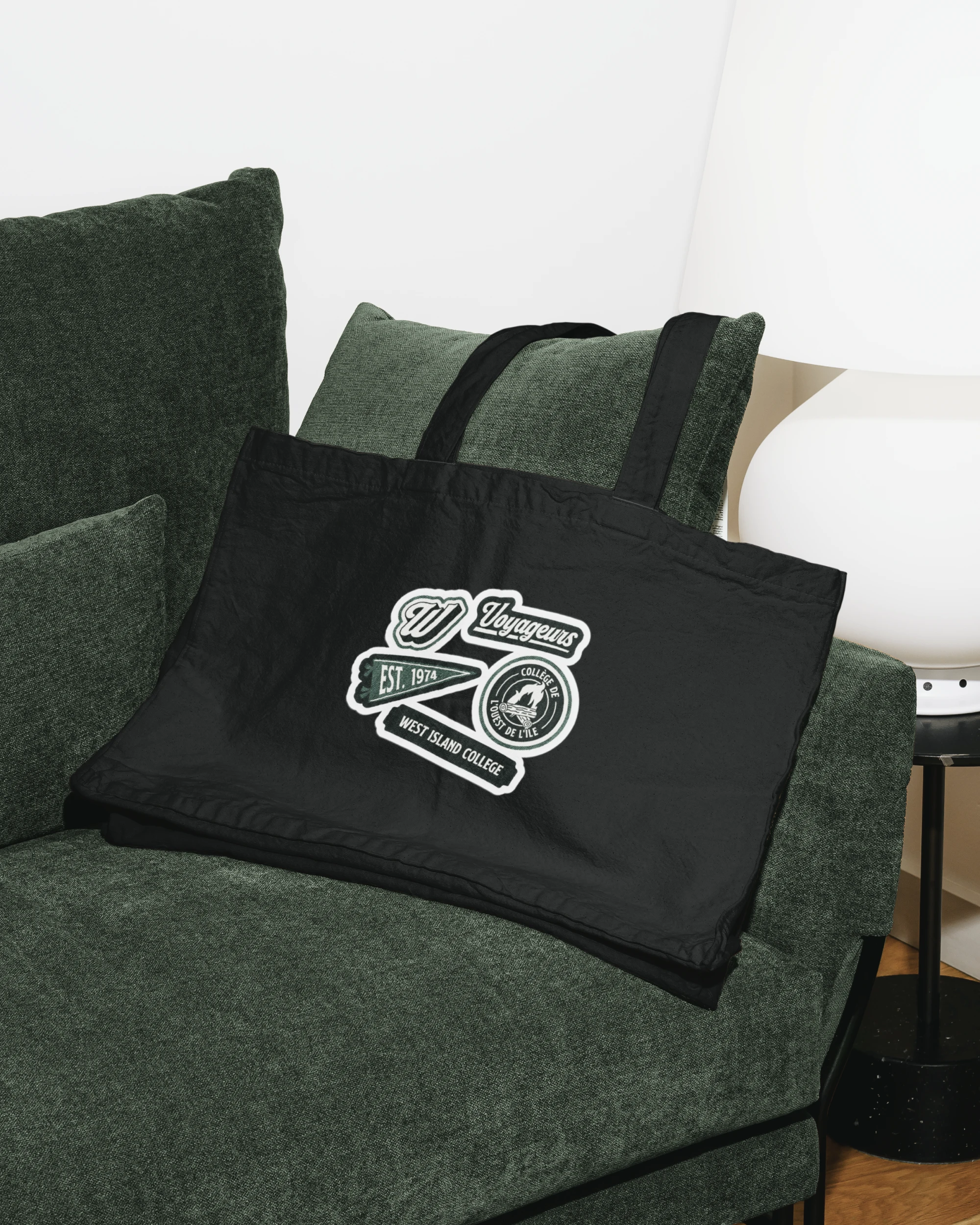
Tote bags come second. Production runs three to six dollars per unit and they retail at fifteen to twenty. A branded tote is a mobile billboard at grocery stores, libraries and coffee shops.
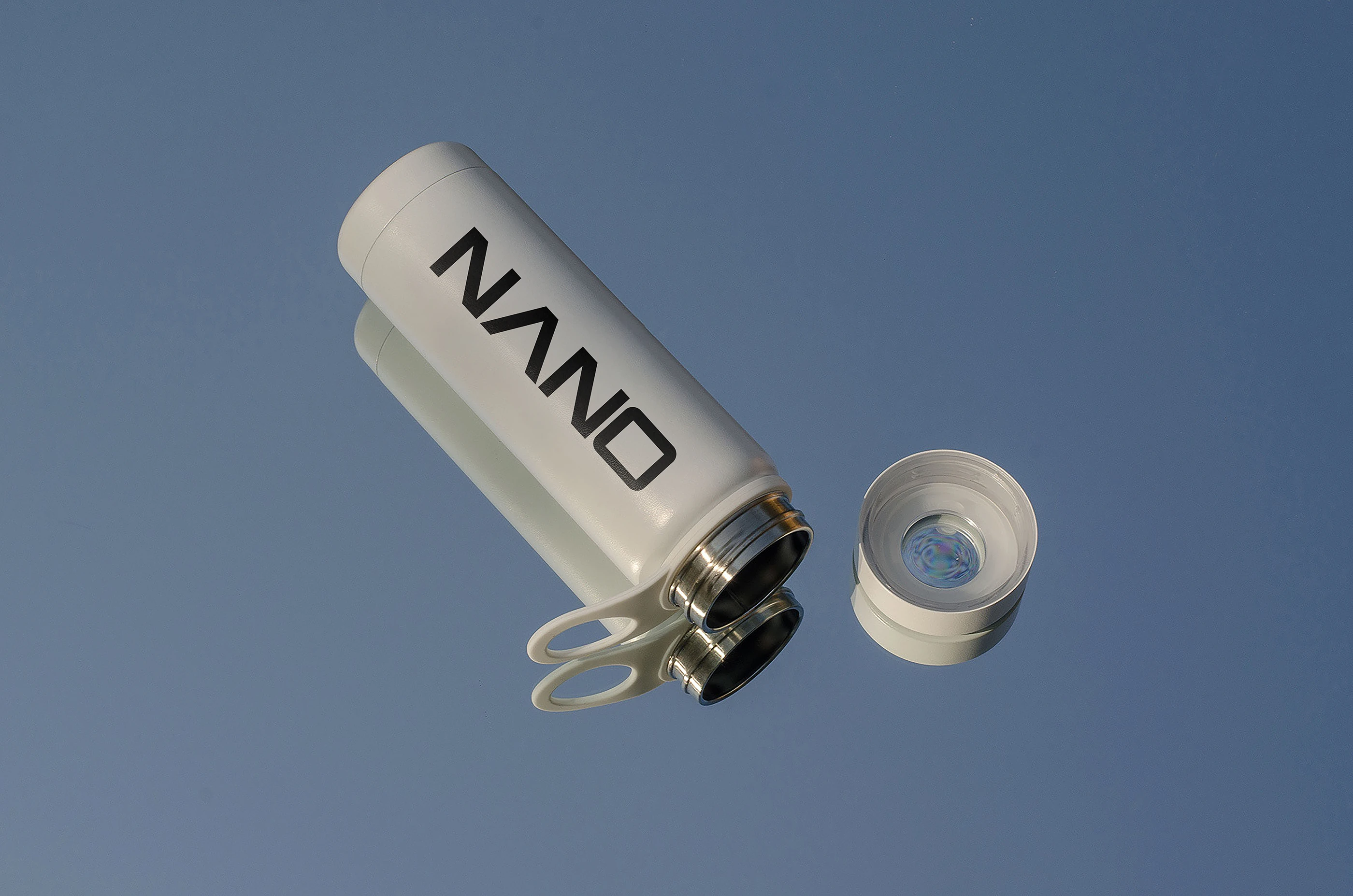
Water bottles and drinkware round out the core. Higher unit cost, higher perceived value, and a quality insulated bottle stays in rotation long after the campaign ends.
Stocking inventory or producing on demand? The print-on-demand vs. bulk ordering guide has the numbers.
Donor appreciation and retention gifts
Acquiring a new donor costs five to ten times more than keeping an existing one, yet most nonprofits overspend on acquisition. A gift at the right moment — after a first gift, after a cumulative threshold, at year-end — holds the relationship together between asks.
Keep it proportional. A ten-dollar pin or sticker pack for a twenty-five-dollar first-time donor lands well. So does a fifty-dollar branded jacket for a donor who gave five thousand. One-size-fits-all either overspends on small donors or under-recognizes major ones.
Tier it. Entry-level donors get a sticker, a bookmark or a branded pen in the thank-you mailing. Mid-level donors get a quality tee, a mug or a tote. Major donors get a curated gift. The best corporate gifts guide breaks down product selection by budget tier.
Volunteer recognition programs
Volunteers are motivated by belonging, not pay. A branded item says you are part of this team, and everyone can see it.
Layer recognition over time. New volunteers get a t-shirt or cap at orientation, which creates instant team identity. Milestones follow: a branded jacket after one hundred hours, a custom award for multi-year service. Visible status gives volunteers something to aim at.
Event-specific tees work too. Custom shirts for a 5K or an annual gala create shared identity and become keepsakes. Volunteers post photos in them, and that recruits the next group.
Awareness campaign merchandise
Awareness merchandise has one job: start a conversation without needing explanation. A tee with the organization's name in small type does not start one. A tee with a bold visual statement about the cause does.
Budget for professional design instead of defaulting to logo-on-a-blank. The design should be emotionally resonant, visually distinctive and wearable every day — not only at mission events.
Use cause colors. Pink for breast cancer, green for environmental causes, orange for hunger. The right color carries the message before anyone reads a word.
Event merchandise for galas and community events
Nonprofit events concentrate demand. Attendees arrive in a giving mindset, and the shared experience creates appetite for commemorative items. The complete guide to event and conference swag covers timelines, quantities and distribution.
For galas, match the tone. A custom candle, an engraved ornament or a quality branded notebook doubles as table decoration and takeaway gift. Silent auction packages of curated branded items raise money and show off brand quality.
For 5K runs and community walks, event tees are expected and belong in the core budget. The shirt is the souvenir and the social post. Quality blanks and a real event design — not the logo with a date — get worn for years.
Add low-cost items for everyone else: stickers, temporary tattoos, wristbands, small accessories. They reach spectators and family members who are not supporters yet.
Budget optimization: getting the most from every dollar
Judge every product, decoration method and fulfillment decision against one question: does this maximize mission impact per dollar?
Narrow the catalog. Two well-designed products — a premium t-shirt and a quality tote — beat eight mediocre SKUs that split your volume and dilute the brand.
Pick the decoration method on cost. Screen printing is cheapest at volume, dropping sharply above seventy-two pieces. Embroidery costs more but adds perceived value on caps and outerwear. Direct-to-garment prints full color at low volume with no screen setup fees. Check pricing before you commit to production.
Plan six to eight weeks ahead. Rush orders cost twenty to fifty percent more.
Run ongoing sales through a branded online storefront. Supporters buy whenever they want. Brandmerch is vertically integrated, so the organization holds no inventory. Margin on every sale, no upfront risk.
Building a sustainable nonprofit merch program
Treat merchandise as a program, not a series of one-off orders. A program has three parts: a core line, campaign releases and recognition inventory.
The core line is two to four evergreen items available year-round through the storefront. Refresh the designs annually and keep the categories stable.
Campaign releases are limited-edition designs tied to fundraising drives, awareness months or events. Scarcity speeds up the decision to buy.
Recognition inventory is reserved stock for donor and volunteer milestones, so nobody scrambles for a last-minute order.
Start by auditing the last twelve months: what was ordered, what performed, what sat in boxes. Pick the two or three products that cover fundraising, awareness and appreciation, and build from there. Start a conversation about program design.