When a leading creative agency behind some of Michelob Ultra's most visible campaigns reached out to Brandmerch, they had a vision that went well beyond standard branded merchandise. They wanted to sponsor rec league teams across the country, outfit them in custom-designed apparel that looked and felt like legitimate athletic wear, and use the content from those teams to fuel a national social campaign. The program was called Rec Leagues, and the apparel needed to be good enough that semi-professional athletes and influencers would actually want to wear it on camera, on the court, and in their everyday lives.
The ask was specific: design and produce a full line of eight to ten custom cut-and-sew items — jerseys, shorts, sweatshirts, warm-up gear, bags — in quantities of twenty to thirty per piece, on a forty-thousand-dollar budget, ready to ship to crews and influencers for content capture before a September campaign launch. Brandmerch would handle both the design and the production, keeping the entire creative-to-fulfillment pipeline under one roof.
This is the story of how that line came together — from the first agency email to finished apparel on real athletes generating real content for one of the biggest beer brands in the world.
The Brief
Michelob Ultra has built its identity around the intersection of premium lifestyle and active living. The Rec Leagues concept leaned directly into that positioning: sponsor real recreational league teams, pay their league fees, and outfit them in custom "Team ULTRA" branded apparel that was polished enough to turn heads and generate organic social content.
The agency was already in talks with semi-professional crews including a well-known Venice Beach basketball collective celebrated for their street-style aesthetic and social following. These were not casual weekend players. They were athletes and content creators with audiences who scrutinize what they wear. The apparel had to hold up to that level of attention.
The timeline from the agency was tight but structured. Crew partnerships would finalize by late June. Crews would share inspiration and design trends in early July. Brandmerch would design the full apparel line by mid-July, lock all designs by the third week, and enter production immediately. Finished kits needed to ship to crews and influencers by late August for content capture ahead of a September first campaign launch. From first design sketch to boxes on doorsteps: roughly eight weeks.
Designing the Line
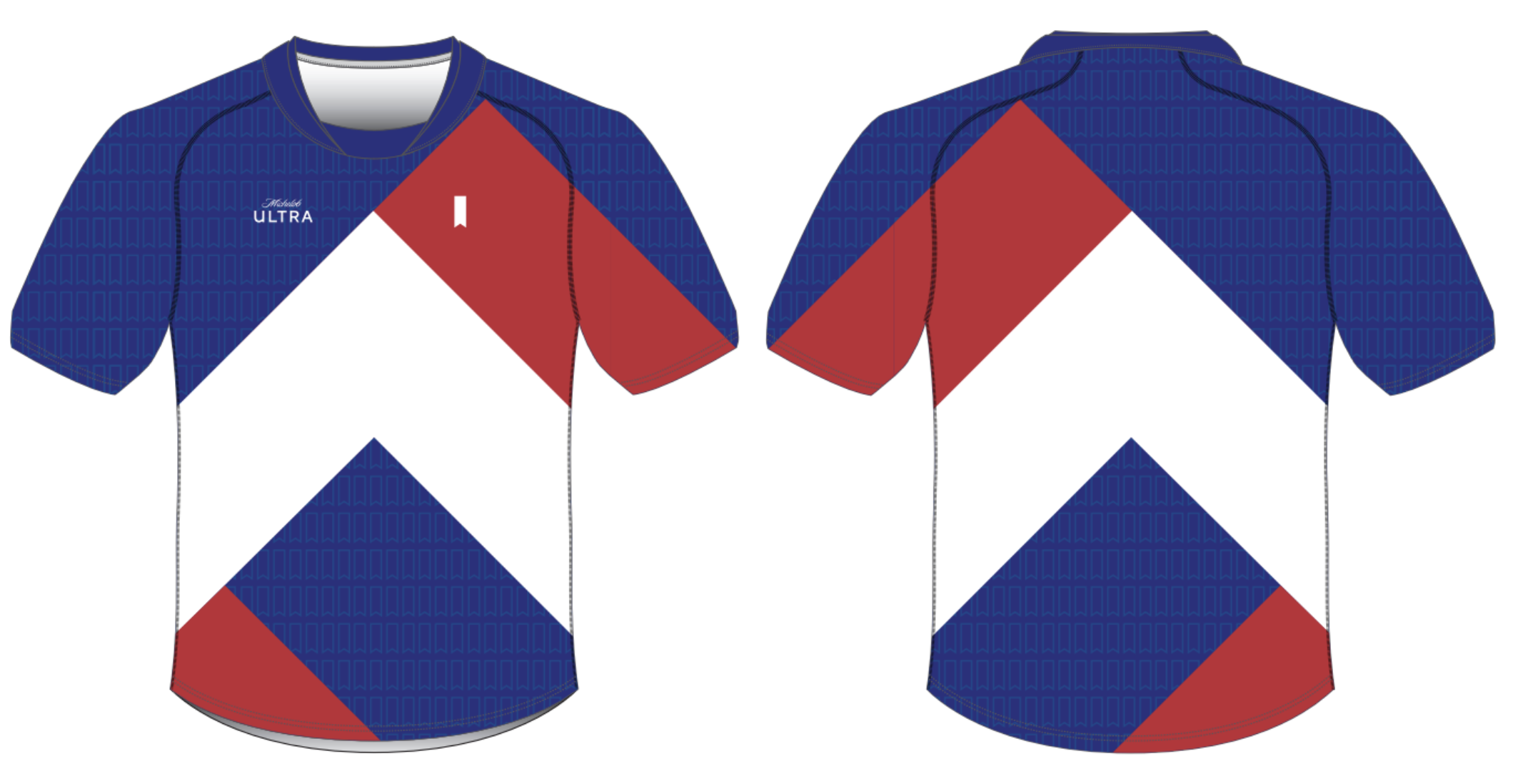
The creative challenge was designing apparel that felt native to rec league basketball culture — not like a beer brand had slapped a logo on athletic blanks. The inspo from the Venice Beach crew and the other crew partners leaned into streetwear-inflected sportswear: bold color blocking, oversized silhouettes on warm-up pieces, fitted performance cuts on jerseys and shorts, and design details that referenced professional athletic apparel without copying any specific league's visual identity.
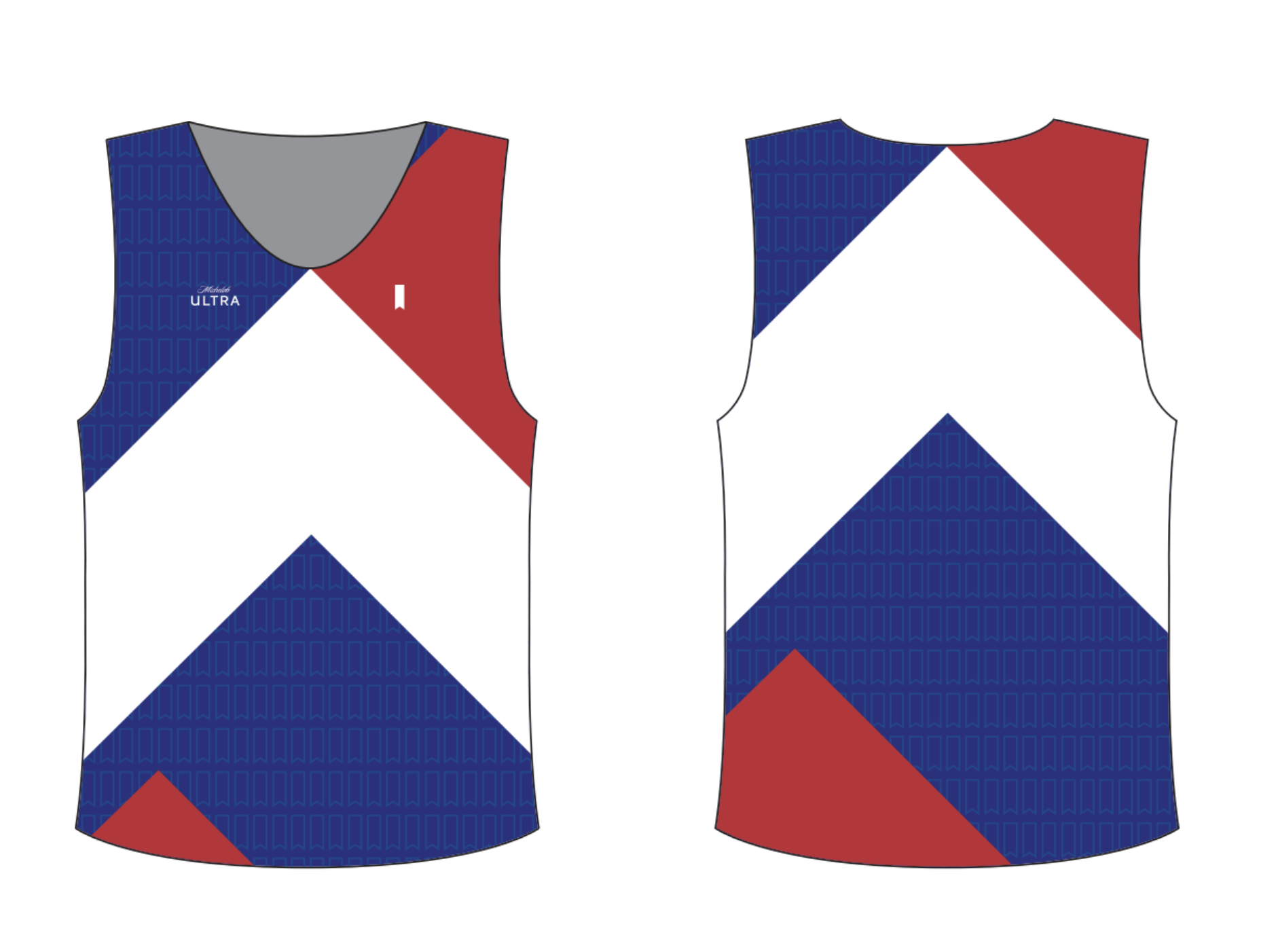
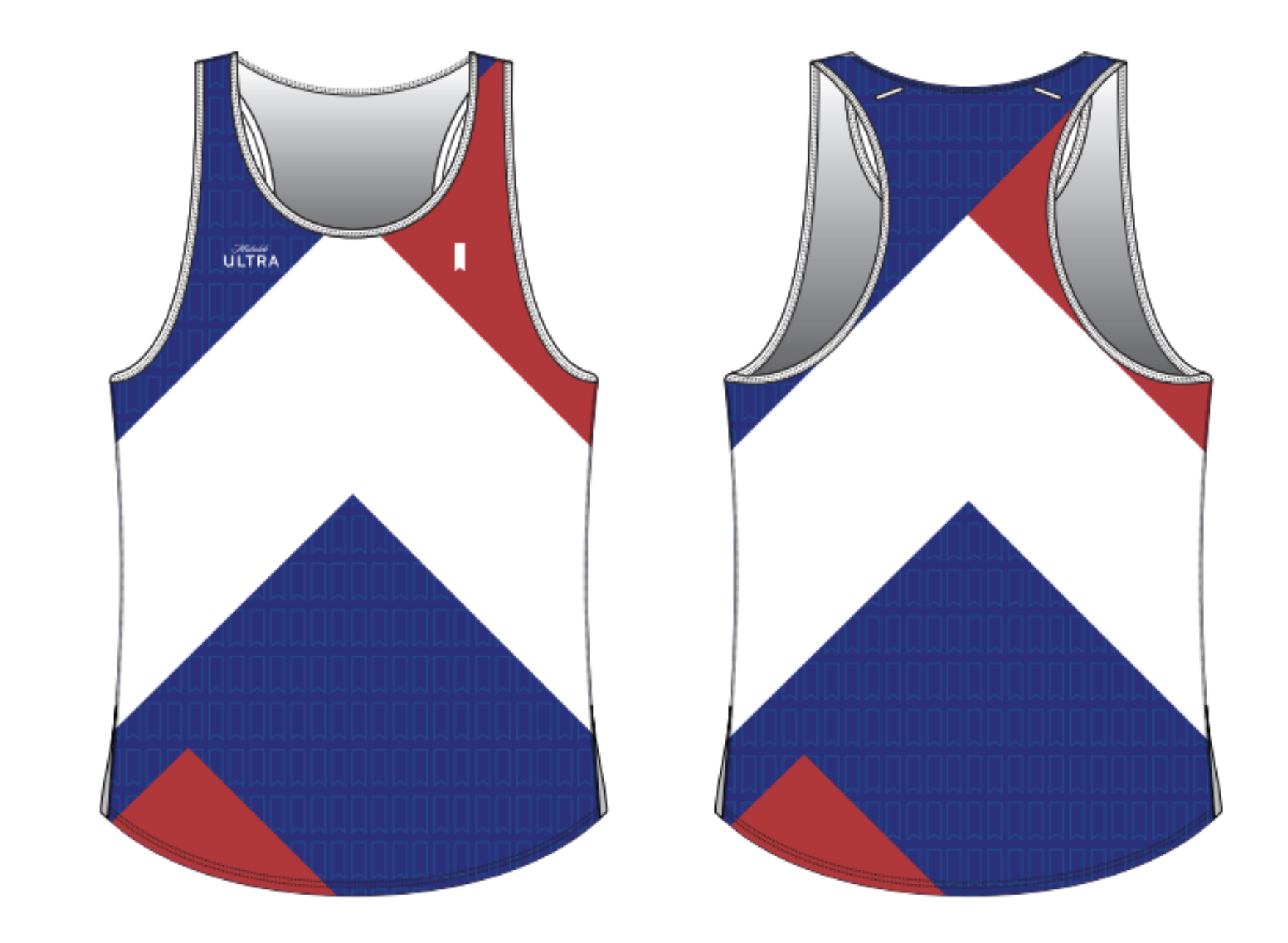
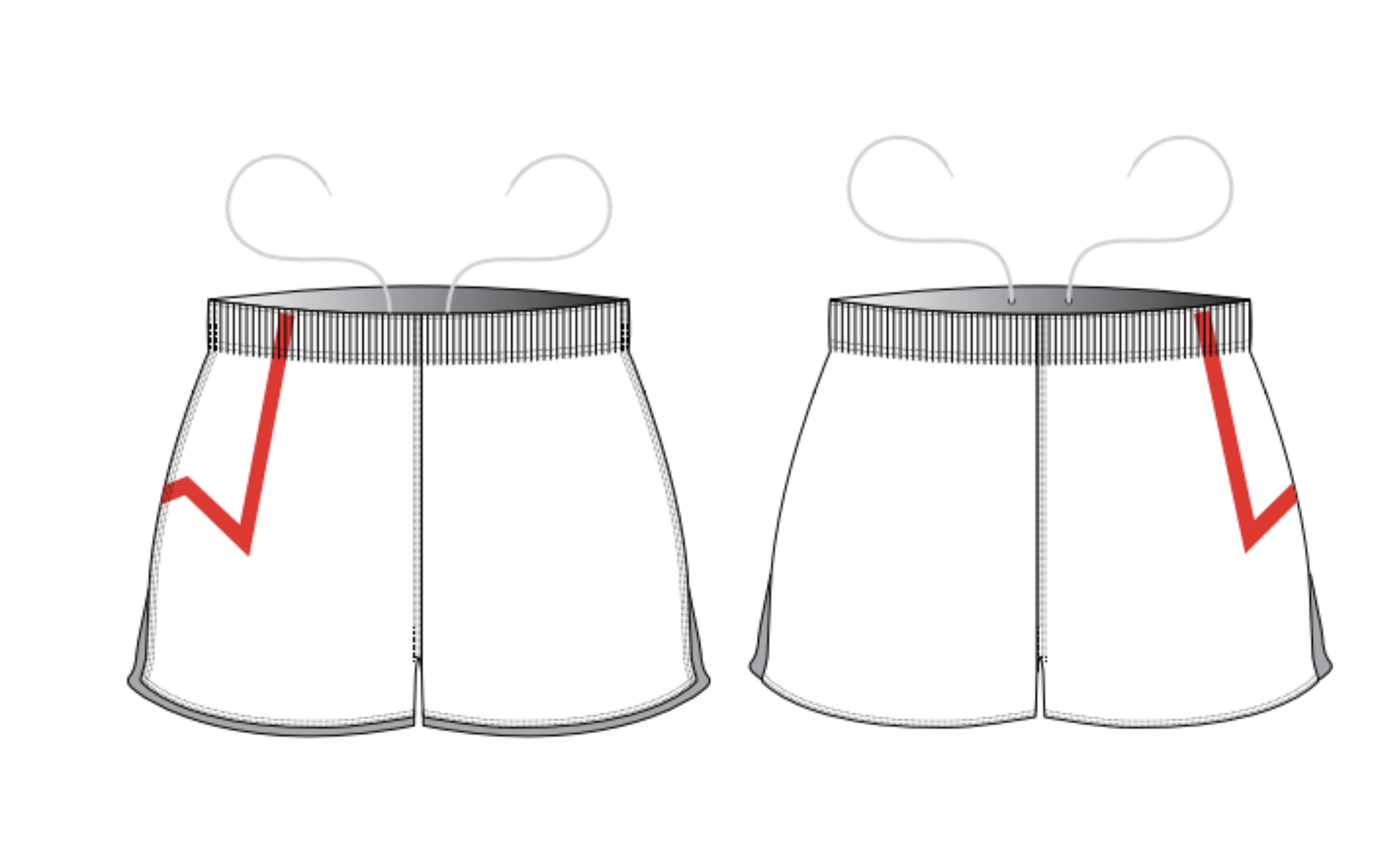
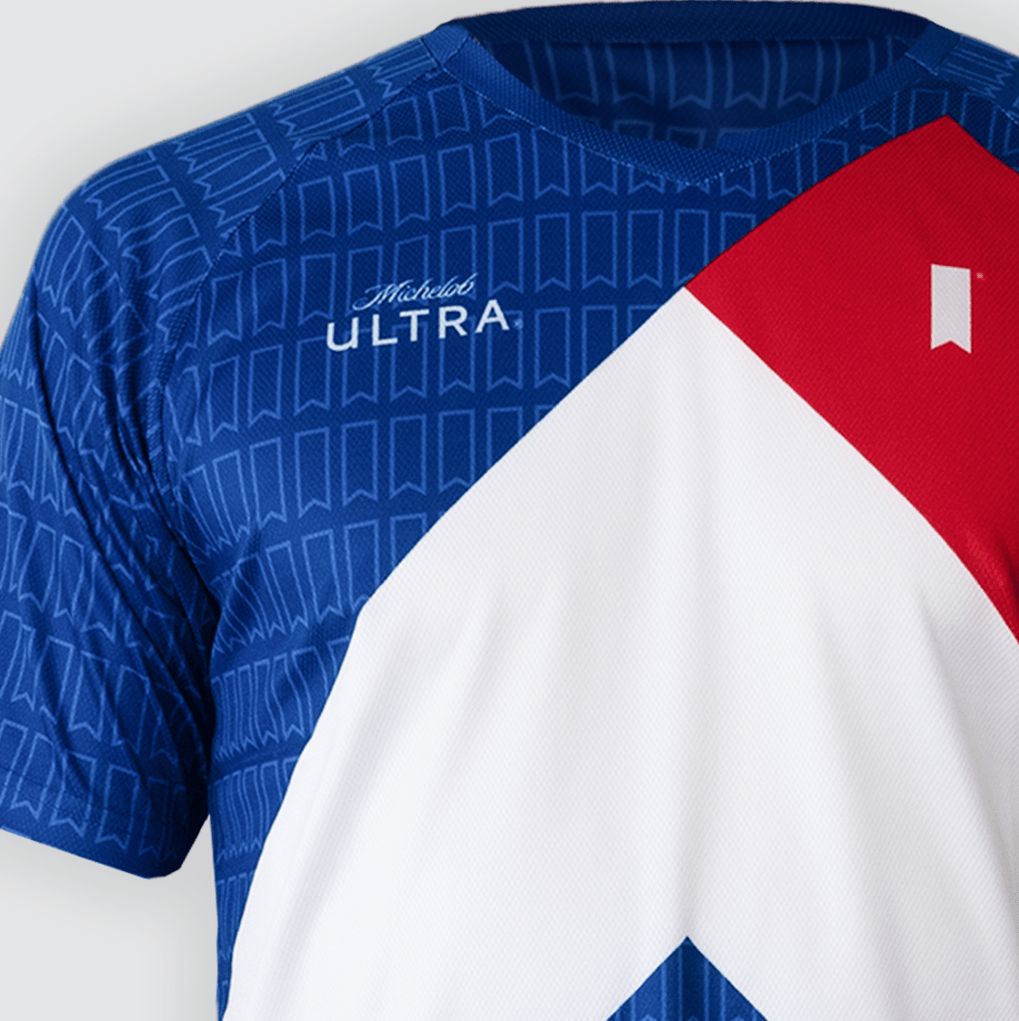
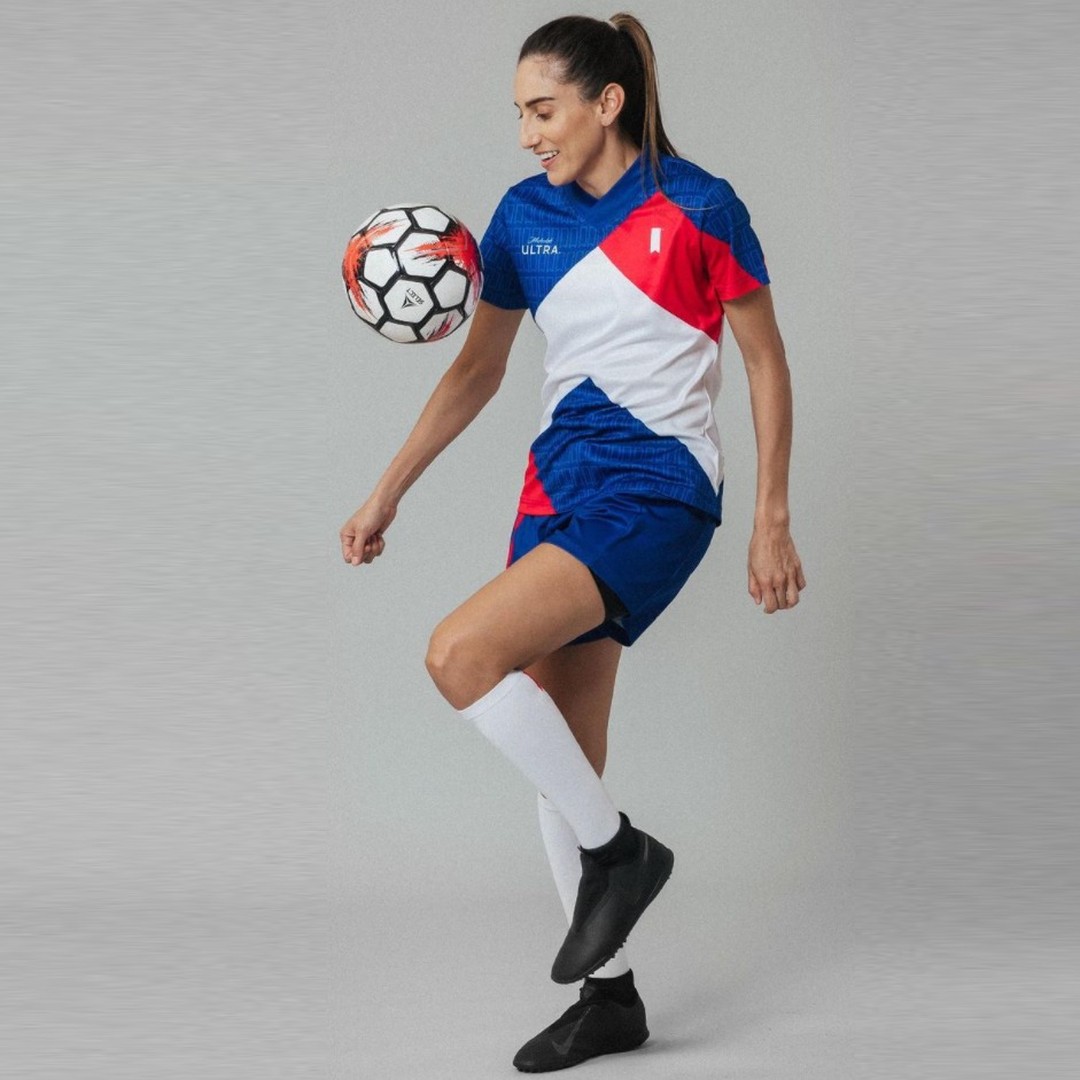
Brandmerch's design team translated that direction into full technical design packages for each item in the line. Every piece was rendered in detailed digital mockups showing front, back, and side views with Pantone color callouts, panel construction details, sublimation artwork placement, and finishing specifications. The Michelob Ultra wordmark and Team ULTRA branding were integrated into each design as structural elements — woven into the color blocking, built into the paneling — rather than applied on top as decoration. The goal was apparel where the brand identity was inseparable from the design itself.
The line spanned the full range the agency envisioned: performance basketball jerseys, matching shorts, pullover warm-up tops, heavyweight sweatshirts, joggers, and a custom duffle bag. Each piece was designed to work as part of the kit and as a standalone item that athletes and influencers would wear independently — extending the brand's visibility beyond the court and into daily content.
Why Cut-and-Sew
Cut-and-sew was non-negotiable for a project at this level. Standard decorated blanks — even premium ones — cannot deliver the custom silhouettes, panel construction, and all-over sublimation graphics that the designs required. Cut-and-sew starts from raw fabric and builds each garment from scratch: patterns are drafted, fabric is cut to those patterns, pieces are assembled, and every seam, hem, and detail is constructed to specification.
This gives complete control over fit, fabric, construction, and graphic placement — but it introduces complexity at every stage. Fabric selection alone required sampling multiple performance textiles to find materials that balanced weight, stretch, breathability, moisture-wicking capability, and sublimation print quality. Not all athletic fabrics accept dye-sublimation equally — some lose color vibrancy, others change hand-feel after printing, and a few shrink unpredictably during the heat-transfer process.
For the jersey and shorts, Brandmerch selected a lightweight moisture-wicking mesh that held sublimation color with sharp saturation while maintaining airflow for outdoor play. The warm-up pieces used a heavier French terry with a custom blend that allowed for sublimation panels alongside solid-dyed construction. Every fabric was tested for colorfastness, shrinkage, and durability before production began. For context on how these decoration and production methods compare, the screen printing vs. embroidery buyer's guide covers the trade-offs between approaches.
Production Under Pressure
With designs locked by mid-July, production had a four-week window to deliver finished goods. For a cut-and-sew line of this complexity — eight-plus unique items, each requiring custom patterns, sublimation printing, and multi-panel assembly — four weeks is aggressive. Standard cut-and-sew production timelines run six to eight weeks after patterns are finalized.
Brandmerch compressed the schedule by running overlapping phases. Fabric sourcing and sublimation printing began during the final design approval round, with pre-production fabric reserved based on the locked color palette. Pattern development started from the approved mockups while the agency completed its final review of graphic details. This parallel workflow meant that by the time full production approval came through, the production line already had printed panels staged and ready for cutting.
Each garment went through a quality checkpoint sequence: panels cut and verified for graphic alignment, pieces assembled with seam inspection at each join, hardware installed and tested, and finished garments checked against a quality standard covering stitching consistency, print registration, color accuracy, and overall construction. At twenty to thirty units per item across eight-plus designs, the total production run was manageable in volume but demanding in variety — every item was essentially its own mini product line with unique patterns, construction, and finishing.
Content Capture and Campaign Launch
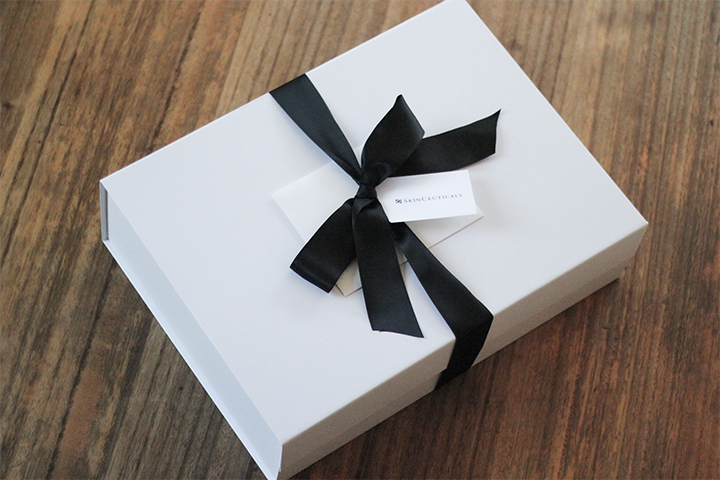
Finished kits shipped to crews and influencers in late August, right on schedule. Each kit contained the full apparel line — every piece from the collection, sized and packed for the individual athlete or creator receiving it. The packaging itself was clean and intentional: a branded kit experience that set the tone before a single item was pulled from the box.
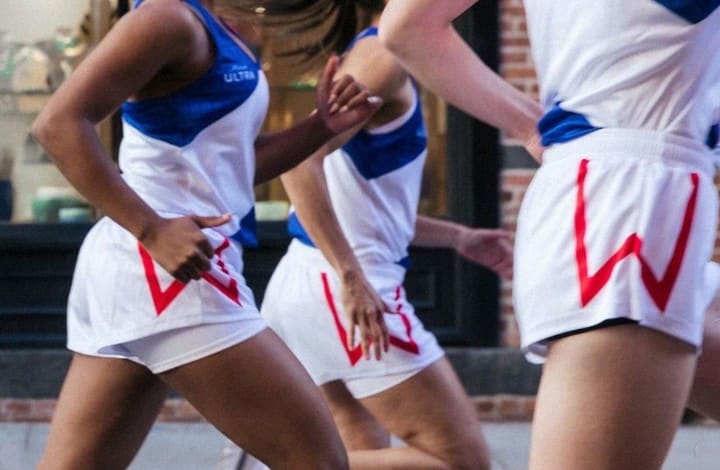
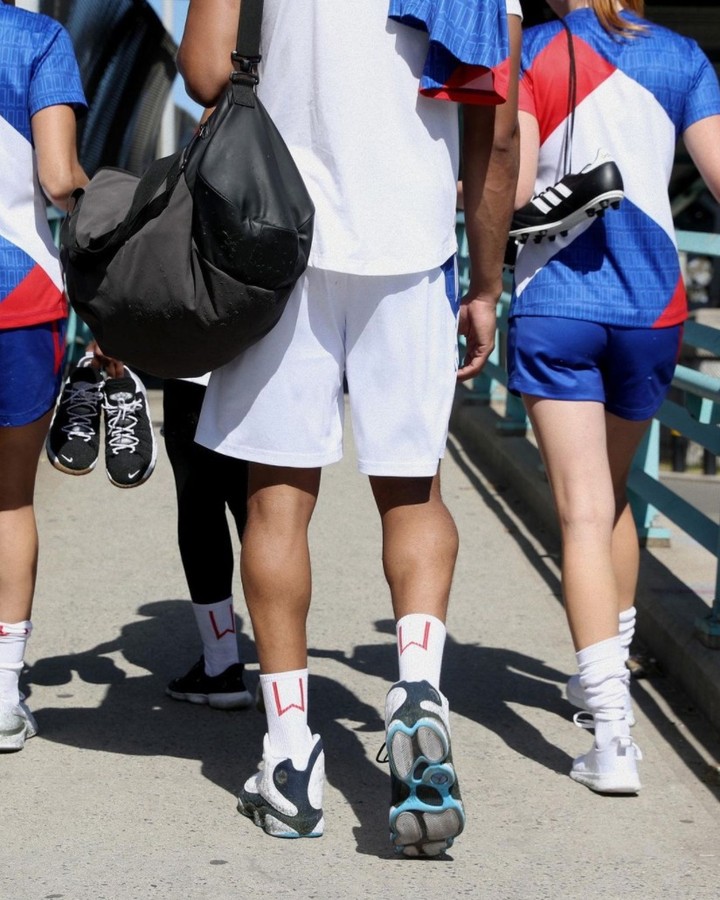
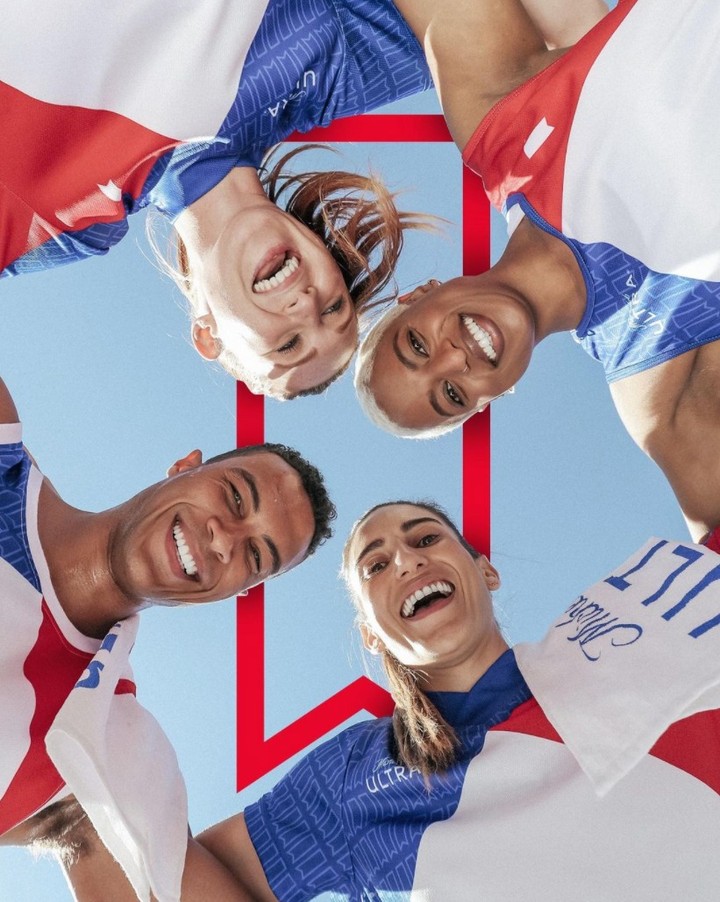
The content that came back was exactly what the campaign needed. The partner crews shot on outdoor courts, in gym sessions, and in lifestyle settings that felt authentic to their existing content style. The apparel looked like it belonged — not like branded promotional gear awkwardly inserted into someone's feed, but like legitimate athletic wear that happened to carry Michelob Ultra's identity.
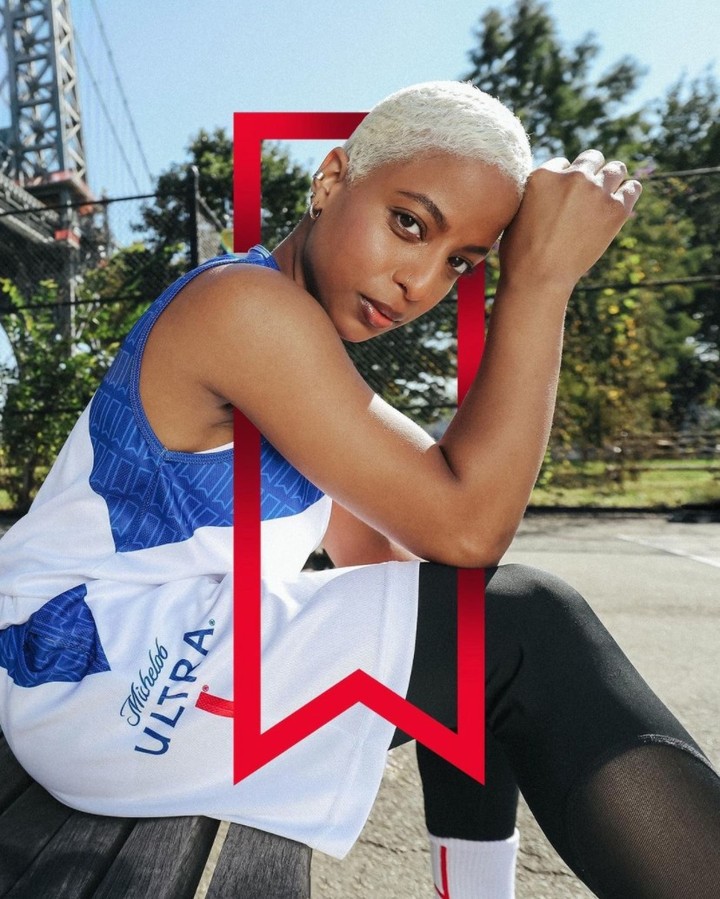
Influencer posts modeled the apparel across contexts — on-court action, warm-up sessions, and casual streetwear styling — demonstrating the versatility that the design team had built into every piece. The campaign launched on September first with a coordinated wave of crew and influencer content that positioned Michelob Ultra not just as a sponsor but as a brand that understood the culture it was investing in.
The Results
The Rec Leagues campaign generated significant social engagement, with the custom apparel appearing in the highest-performing posts across the campaign. Athletes and influencers wore the pieces well beyond the initial content capture window — in subsequent posts, personal content, and everyday settings — extending the brand's visibility far past the campaign's official run.
The apparel quality was a consistent theme in feedback from both the agency and the athletes. Multiple crew members asked about purchasing additional pieces, and the Michelob Ultra team explored producing incremental quantities for sale through their shopbeergear.com retail channel — a direct signal that the apparel had crossed from promotional merch into product people genuinely wanted to own.
For the agency, the project validated a model they have continued to use: looping design and production together under one partner eliminates the coordination friction that slows projects down when creative agencies hand off designs to separate manufacturers. Brandmerch's ability to handle both — translating creative direction into technical patterns and then producing those patterns into finished goods — compressed the timeline and reduced the communication overhead that typically plagues multi-vendor production workflows.
What This Means for Your Brand
The Michelob Ultra project demonstrates what becomes possible when a brand treats custom apparel as a design and engineering challenge rather than a procurement exercise. The difference between apparel that people wear once for a photo and apparel that becomes part of their rotation is not budget — it is craft. It is the fabric selection, the pattern engineering, the graphic integration, and the construction quality that determines whether branded apparel gets worn or gets shelved.
Cut-and-sew is not the right approach for every project. It requires more lead time, higher per-unit investment, and deeper production expertise than standard decorated blanks. But for brands producing apparel where visual impact, fit quality, and brand differentiation are primary objectives — experiential campaigns, influencer kits, athlete partnerships, retail-grade merchandise — it delivers results that no other production method can match.
The keys to executing successfully: engage your production partner early enough that design and production can overlap, invest in prototyping before committing to full production, and choose a partner who handles both creative and manufacturing — so the vision that exists in a mockup is the same vision that arrives in the box.
For brands exploring custom apparel programs, the complete guide to custom branded merchandise covers the full spectrum from decorated blanks to fully custom production. And for teams ready to scope a project, explore the Brandmerch platform or connect with the team directly to discuss your timeline, creative vision, and production requirements.