Why the decoration method decision matters more than you think
Decoration is usually the last checkbox on an order form. It decides how your logo looks on fabric, how long it survives daily wear, what you pay per unit at scale, and whether anyone actually wears the thing.
Across a running program — employee kits, client gifts, event swag, retail drops — that choice compounds over thousands of units. The complete guide to custom branded merchandise covers the wider program. This page settles the method.
Screen printing vs embroidery at a glance
| Screen printing | Embroidery | |
|---|---|---|
| Setup cost | One screen per color, about $15–30 each | One-off digitization, about $30–60, reused on every run |
| Cost driver | Number of colors | Stitch count — design size and fill density |
| Decoration cost at 250 units | About $2–4 for one color on cotton tees | About $4–8 for a 7,000-stitch left chest on polos |
| Order size | Cheapest above 72–100 units; per-unit cost spikes below 48 | Comparable or cheaper under 24 units |
| Best placement | Full-back, oversized front and all-over graphics | Two-to-four-inch left chest, sleeve and collar marks |
| Artwork handling | Solids and halftones; fine lines and small text unreliable | No gradients or photographic detail; artwork must be simplified |
| Best products | Tees, hoodies and crewnecks in cotton or cotton blends | Polos, quarter-zips, jackets, structured caps and beanies |
| Struggles on | Polyester, moisture-wicking fabric, fleece, heavy texture | Thin tees, performance jerseys, silk blends — puckering |
| Durability | Fifty-plus washes when properly cured; cracking is a curing fault | Functionally permanent; edges can snag or fray |
| Finish | Ink sits on the surface; plastisol has a noticeable hand | Three-dimensional stitched texture |
| Brand signal | Energy, creativity, graphic boldness | Heritage, craftsmanship, premium quality |
Brandmerch is vertically integrated. One company holds the catalog, the warehouse, the kitting and the shipping, with MerchOS™ over the top of it holding budgets, approvals and spend reporting. Screen-printed hoodies and embroidered polos come back to one brand standard, on one timeline, from one point of accountability. Every location orders the approved method, and no location can spend past its budget.
How screen printing works
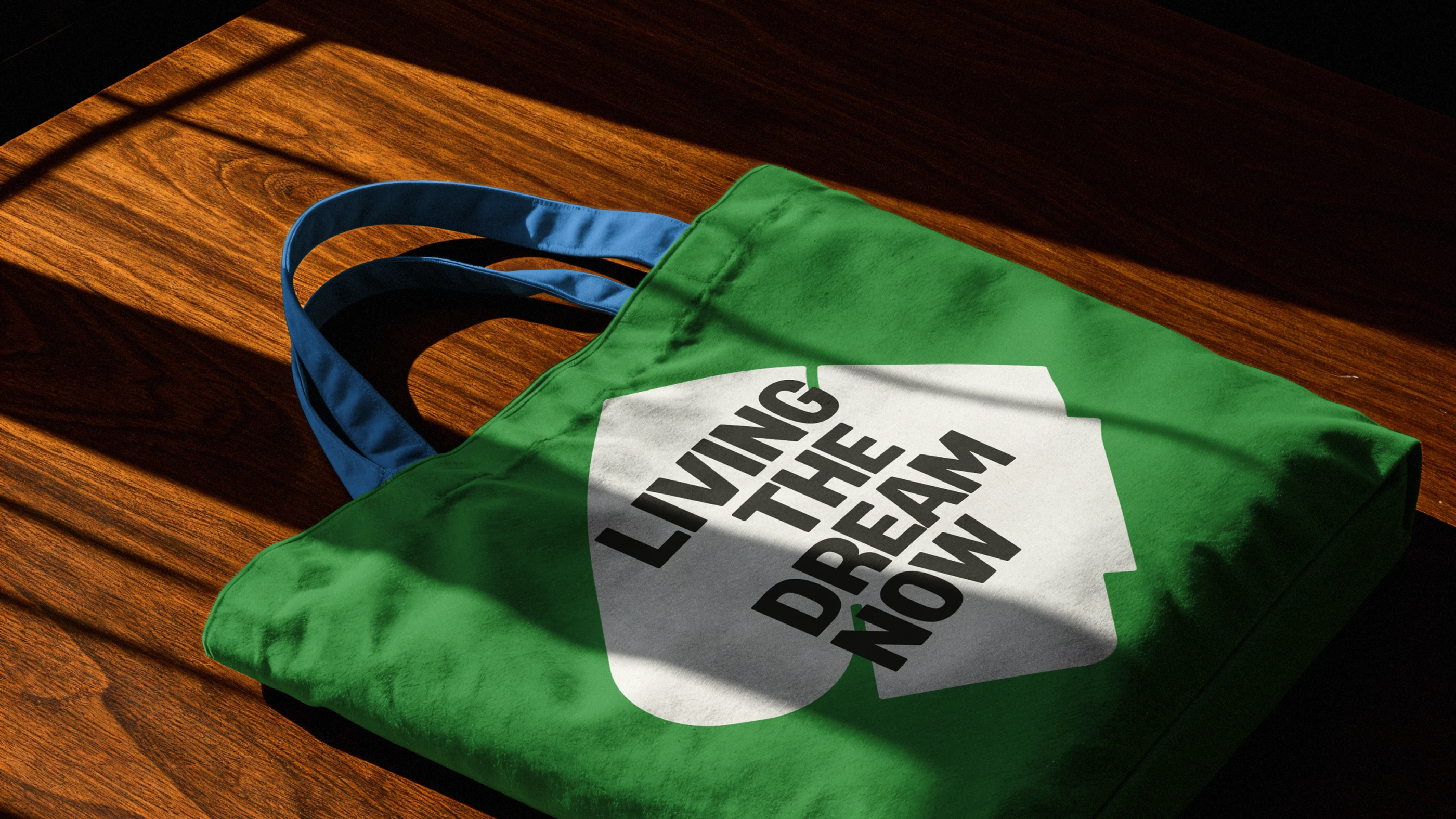
Ink is pushed through a mesh stencil onto the fabric surface, one screen per color — which is why setup cost scales with color count. The ink sits on top of the material, so colors stay saturated even on dark garments. Plastisol is the standard: opaque, vibrant, durable, with a hand you can feel. Water-based ink absorbs into the fibers for a softer finish. Discharge printing replaces the garment dye with the design color for a vintage, no-feel result. Specify the ink, not just the print.
When to choose screen printing
Large graphic placements. Full-back prints, oversized fronts and all-over designs. Embroidery cannot match it at that scale.
Bold, multi-color artwork. Solid colors, halftones and detailed illustrations reproduce sharply. If your brand lives on graphic impact, print it.
High-volume orders. Above 72 to 100 units screen printing costs less per unit than embroidery, which makes it the default for company-wide rollouts and seasonal drops. The event and conference swag guide covers volume planning across multiple occasions.
Cotton and cotton-blend apparel. Hoodies, crewnecks and standard-weight tees. Ink bonds cleanly to cotton and holds through dozens of washes. The custom branded hoodie ordering guide covers blanks, methods and sizing.
Screen printing limitations
Every color needs its own screen at fifteen to thirty dollars, so a six-color design on a short run pays more in setup than in decoration. Lines under one point and text under six points are unreliable — build the artwork for the method. Polyester, moisture-wicking fabric, fleece and heavy texture need specialty inks and careful curing to stop dye migration. Plastisol leaves a hand you can feel; water-based or discharge removes it.
How embroidery works
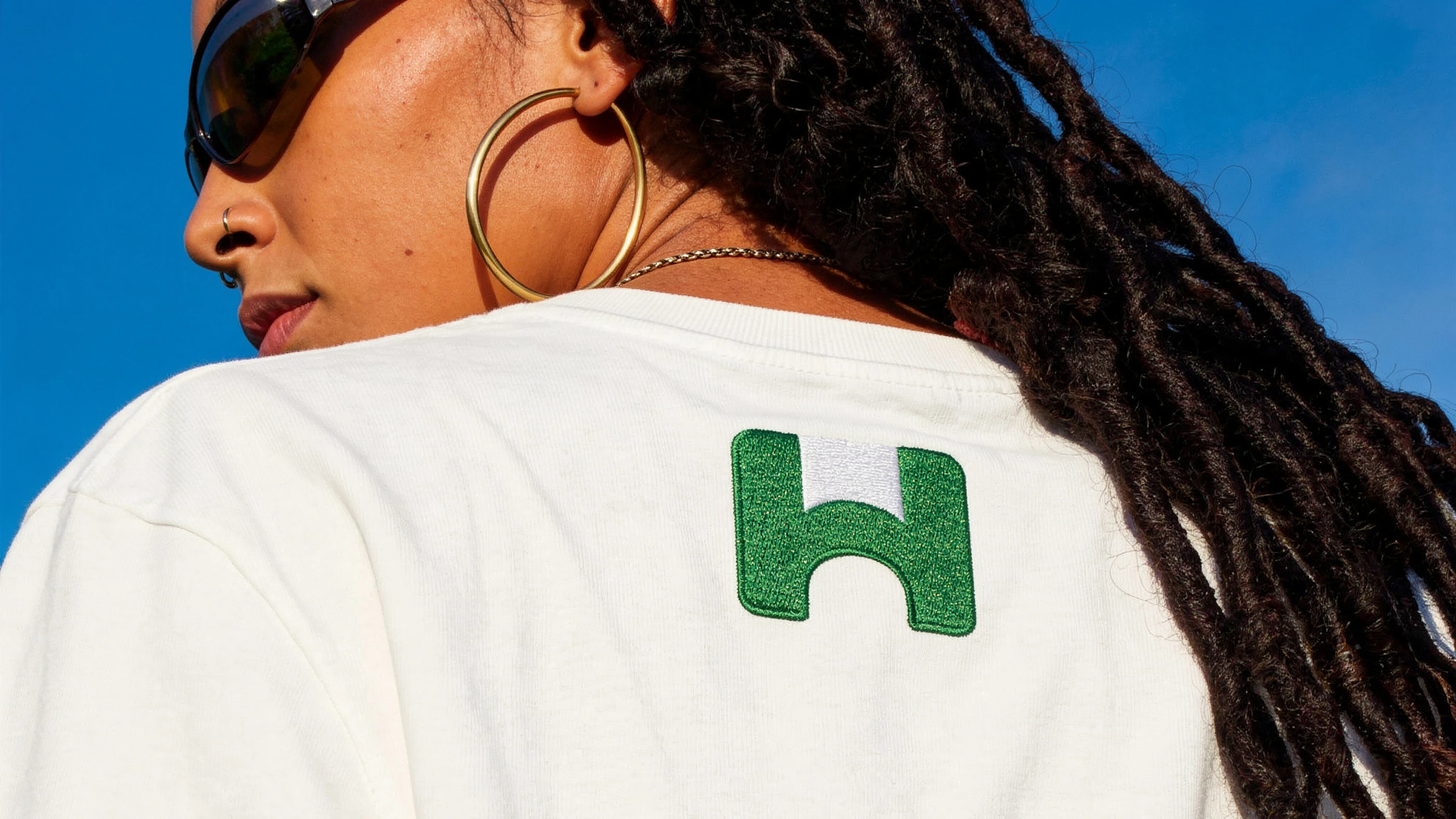
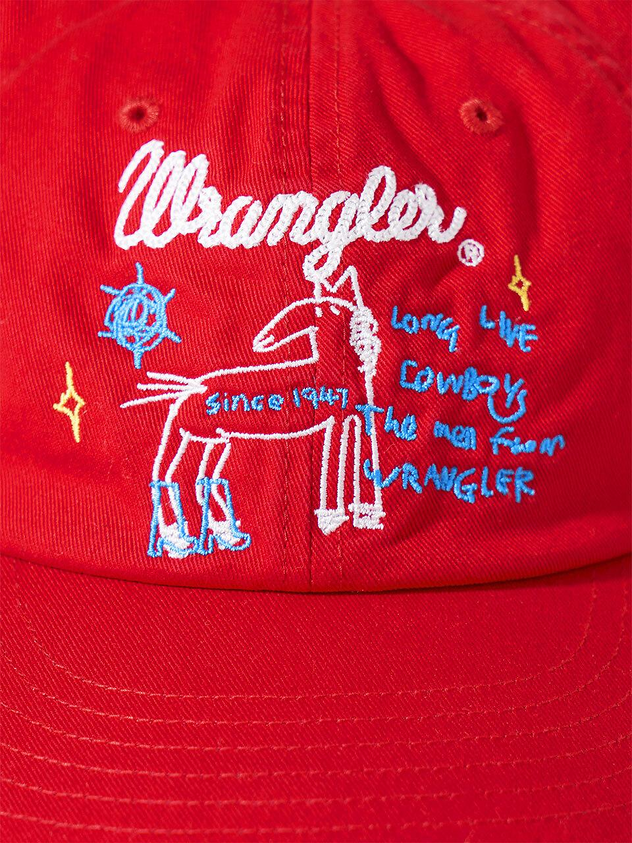
Thread is stitched into the fabric by multi-needle machines running hundreds of stitches a minute. The artwork is first digitized into a stitch map — the single largest variable in the result, and the step most buyers never think about. The finish is three-dimensional: thread builds on the surface, catches light, and reads as craftsmanship in a way ink does not.
When to choose embroidery
Corporate and premium apparel. Polos, quarter-zips, button-downs, softshell jackets and outerwear. In client-facing and executive settings the dimensional finish signals quality a printed logo does not.
Headwear. Structured caps and beanies are embroidery’s best substrate. Rigid material holds stitches cleanly and the finish reads sharp from across a room, which is how hats are seen.
Small to medium logos. Left chest, sleeve and collar marks in the two-to-four-inch range. Clean shapes and a tight color palette translate into thread beautifully.
Extreme durability. Uniforms, workwear and hospitality apparel that face industrial laundering. Thread does not crack, peel or fade.
Embroidery limitations
Cost tracks stitch count: a left-chest logo runs five to eight thousand stitches, a large back design can pass thirty thousand, which is why embroidery rarely suits big graphics. Thread cannot hold gradients or photographic detail, so a gradient-heavy mark needs a simplified version. Thin tees, performance jerseys and silk blends pucker around dense stitching. Thread colors come from manufacturer swatch books rather than mixed to exact Pantone; close matches are nearly always available.
Cost comparison: screen printing vs embroidery
Screen printing costs more to set up and less per unit at volume. One color on 250 cotton tees runs about two to four dollars a unit; three colors on the same run, three-fifty to six. Below 48 units the setup spreads too thin and the unit cost spikes.
Embroidery costs thirty to sixty dollars to digitize once, then prices on stitch count. A seven-thousand-stitch left chest on 250 polos runs four to eight dollars a unit; a larger, denser design, ten to fifteen. Digitization is a sunk cost — every future run reuses the file.
Under 24 units embroidery can beat screen printing, since there are no per-color screens. At 250-plus, screen printing wins on unit cost for a comparable design. Judge total landed cost — blank, decoration, packaging, shipping — not decoration alone. The pricing breakdown shows what both methods cost across common products and order sizes, with no sales conversation. The print-on-demand vs bulk ordering guide covers how volume moves program economics.
Durability and longevity
Properly cured plastisol holds fifty-plus washes with minimal fading. Water-based is slightly less durable and stays softer. Cracking along fold lines is a curing fault in production, not a flaw in the method.
Embroidery is functionally permanent — thread does not crack, peel or fade. The one risk is snagging at the edges, which a satin-stitch border prevents. Uniforms, hospitality and premium employee apparel that must look presentable for years get embroidered. Event tees and seasonal drops get printed. Match the method’s lifespan to the item’s.
Brand perception: what each method signals
Decoration method tells people where your brand sits, and the wrong one undercuts the message.
Embroidery signals heritage, craftsmanship and institutional credibility. It is the language of golf shirts, luxury outerwear and executive gifts — financial services, hospitality, law, enterprise B2B.
Screen printing signals energy, creativity and cultural currency. It is the language of band tees, streetwear, tech merch drops and festival swag — creative agencies, DTC brands, startups, event-driven organizations.
Match the method to your positioning and to where the product will be worn. Embroidered polos at a client conference say something different from screen-printed tees at a hackathon.
Decision framework: choosing the right method
Choose screen printing when: the design is graphic-heavy, uses three or more colors, or covers a large area. The product is a tee, hoodie or crewneck in cotton. You are ordering 50-plus units. Your brand leans casual, creative or event-driven.
Choose embroidery when: the logo is clean, compact and four colors or fewer. The product is a polo, jacket, cap or structured layer. The garment faces heavy laundering. Your positioning is corporate, premium or institutional.
When the garment itself is the brand statement, method and design stop being separate decisions — see the Michelob Ultra cut-and-sew case study.
Using both methods in the same program
The strongest programs use both, matched to the product. Screen printing for hoodies and tees. Embroidery for polos, caps and outerwear.
Split across two vendors, that becomes two navies, two proofing workflows and two delivery dates. Under Brandmerch it is one standard, one proof and one schedule. The decoration methods page shows which methods run on which product categories.
Build method into your catalog instead of deciding it order by order: define what gets printed, what gets embroidered, and what can go either way on size. Then nobody relitigates it. Start with the product marketplace, or take your product mix to the merch strategy team.