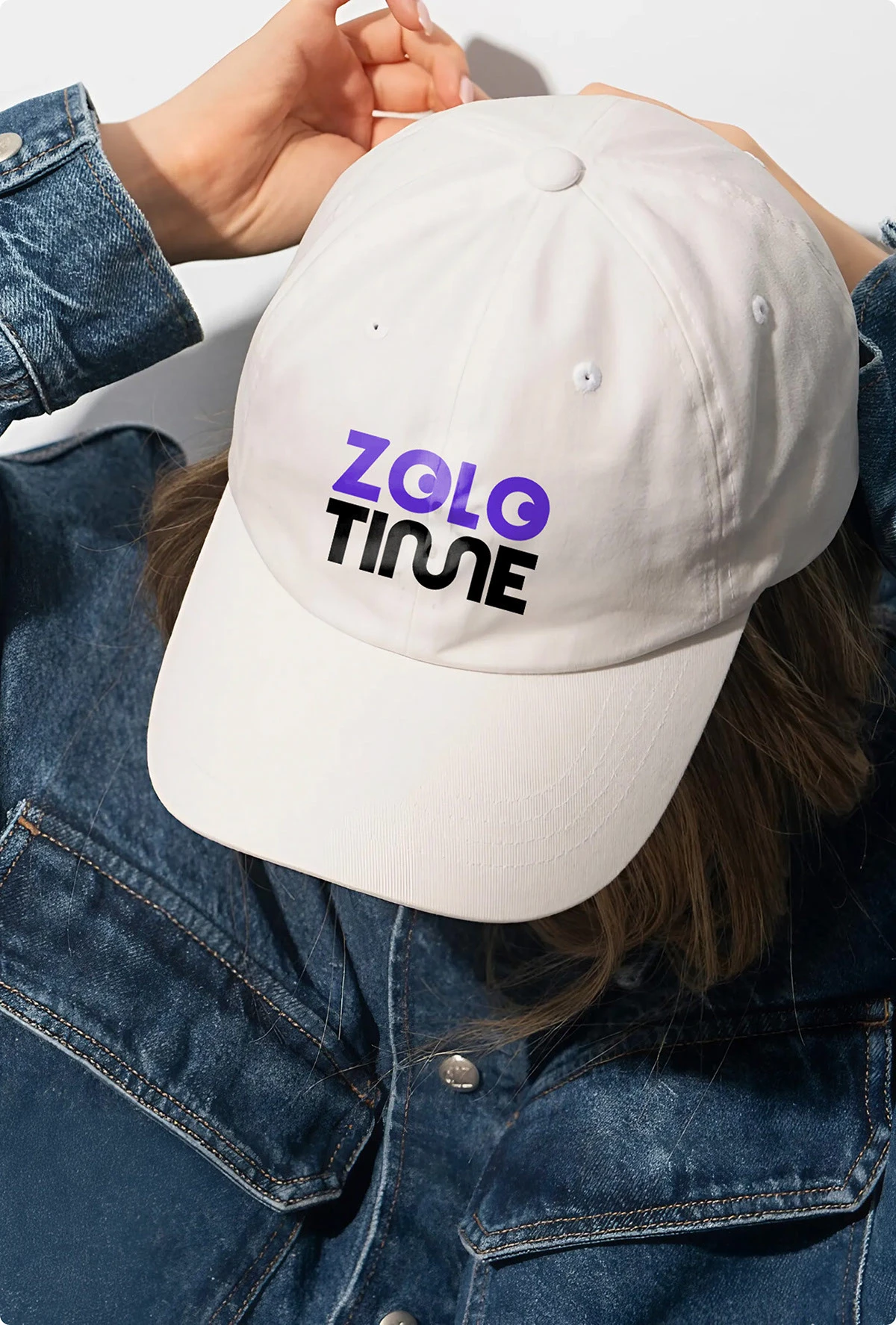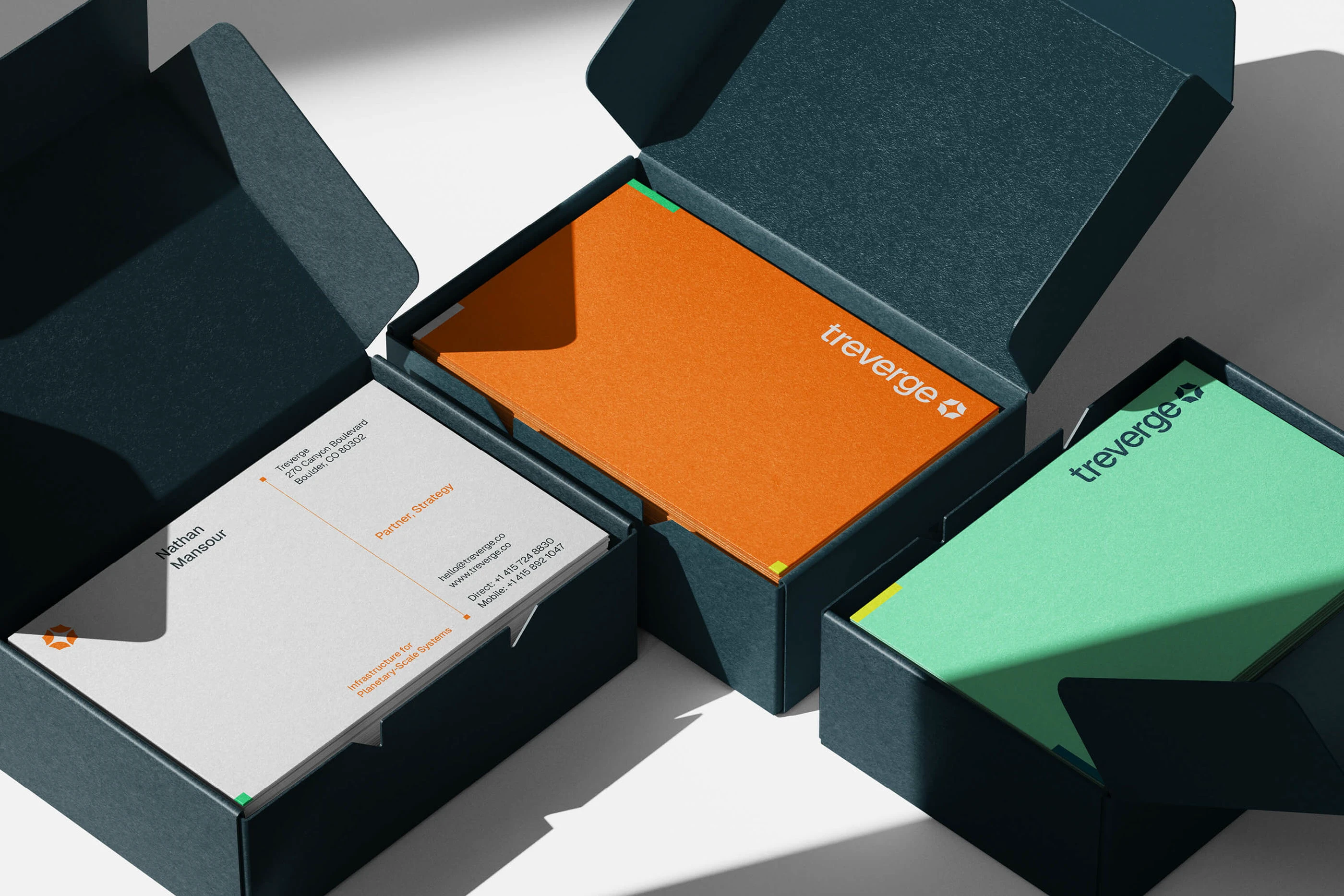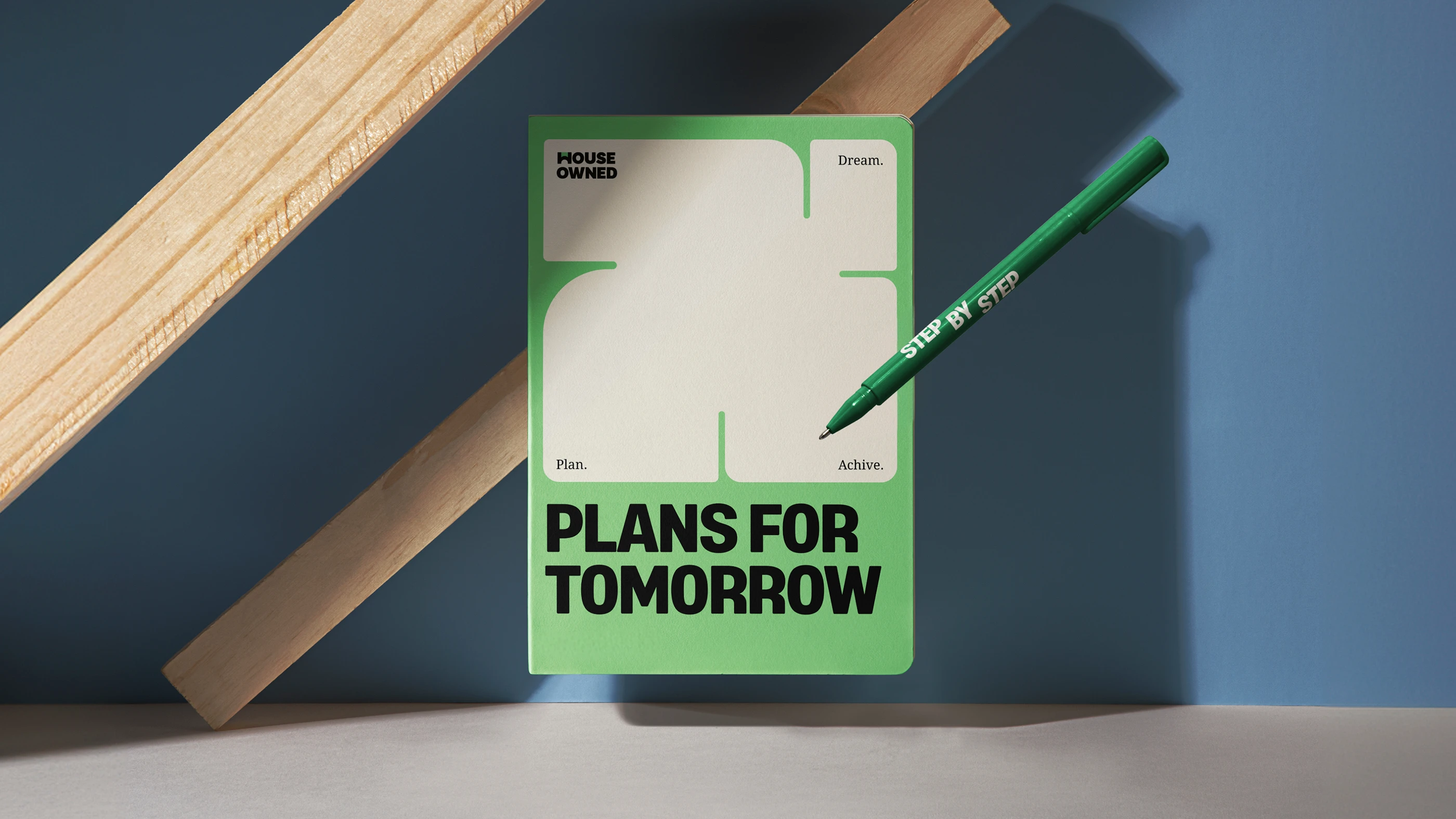
The most effective employee onboarding gifts are useful, on-brand, and arrive before the first day. Timing matters more than the item: a good kit that arrives the week before a start date does more than an expensive one that arrives in week three. Most companies spend between $50 and $150 per new hire, and on-time delivery has the largest effect on how the kit is received.
What to spend, and what to include
| Budget per hire | Typical contents | Works best for |
|---|---|---|
| $25–50 | Quality tee or hoodie, sticker set, notebook, pen | High-volume hiring, hourly and seasonal roles |
| $50–100 | Above plus an insulated drinkware item, tote, and a written welcome note | The most common band — most salaried roles |
| $100–150 | Premium apparel, name-brand drinkware, tech accessory, custom packaging | Senior hires, competitive markets, small teams |
| $150+ | Curated box with a non-branded premium item alongside the branded ones | Executive hires, roles you fought to fill |
Five factors to consider when selecting employee onboarding gifts
- Ship before day one. A kit that arrives in week three is received as an afterthought.
- Collect the size at offer acceptance, not on day one. Apparel that does not fit will not be worn.
- Include one item they would use anyway. One useful item gets more use than three items that are not.
- Remote and in-office need different kits. Desk items are of little use to someone working from home.
- Write the note. A printed card from the hiring manager costs very little and makes the kit personal.
The period between accepting an offer and starting the job is usually one to four weeks, and new hires often hear little from the company during it. An onboarding gift that arrives in that window shows that the company is preparing for their start.
Many onboarding gift programs are built around what is easy to source rather than what new hires will use. Unrelated branded items in a shipping box tend to go unused. Programs that work choose each item for a purpose, run on a repeatable process, and change based on feedback. For the full operational playbook, the complete guide to employee welcome kits covers everything from fulfillment automation to vendor selection.
Why the right onboarding gift matters
Organizations with strong onboarding processes improve new hire retention by eighty-two percent, according to the Brandon Hall Group. Onboarding covers much more than a gift box, but a physical kit does something email and system access do not: it shows the new hire that someone prepared for their arrival.
For remote and hybrid hires, the kit matters more. Without an office to walk into, it is often the only physical item a new hire receives from the company. The cost comparison is straightforward: replacing an employee costs fifty to two hundred percent of their salary, while a welcome kit costs forty to two hundred dollars. Even a small improvement in retention covers the cost of the program.

Gift ideas by budget tier
Essential tier: forty to sixty-five dollars. One quality custom hoodie or crewneck with subtle branding, a personalized welcome card, and one practical item — a quality notebook or branded pen. Apparel is the centerpiece of the kit, so spend most of the budget there. A soft fleece with clean embroidery gets worn more often than a stiff promotional tee.
Standard tier: seventy to one hundred thirty dollars. One apparel item, one drinkware piece — an insulated water bottle is the strongest performer — one desk accessory, and a personalized card. Packaging affects how the kit is received: a branded box with tissue paper presents it as a gift rather than a shipment.
Premium tier: one hundred thirty to two hundred fifty dollars. Two apparel items, premium drinkware, a curated desk set, custom rigid packaging, and multiple personalized elements. Appropriate for executive hires and organizations competing in talent markets where the offer experience is part of the close. The corporate gifting guide explores premium packaging strategies that apply directly here.
Gift ideas by role type
Engineering and technical roles. Start with the standard kit, then add a role-relevant accessory: premium earbuds, a desk-mounted monitor light, or a mechanical keyboard. Technical hires appreciate products that show the company understands their working environment.
Sales and client-facing roles. Add a branded backpack, tech organizer, or premium cardholder. These items get used during travel and client meetings, where other people also see them.
Creative and design roles. A premium sketchpad, design tools, or a creative subscription supports the work they do every day.
Leadership and executive hires. Use premium packaging. Custom rigid box, two to three apparel pieces, a premium desk set, and a personal note from the CEO. Some organizations include a book related to the company's mission.
Physical vs digital: what works when
Default to a physical kit. The endowment effect, a well-documented finding in behavioral research, shows that people value things more once they own them. A physical kit benefits from this more than a gift card does.
Digital components work well as complements: a QR code linking to a personalized team video, a first-week guide, or a learning platform access code. These add information without replacing the physical kit.
Fully digital kits make sense only when shipping to countries with prohibitive customs costs or when a hire starts within forty-eight hours. In both cases, pair digital with a commitment to ship physical once logistics allow. The remote team welcome kit guide covers international shipping workarounds and hybrid strategies in detail.
Personalization touches that scale
Personalization does not require custom production for every hire. Use a standard core kit with two to three swappable elements, which keeps assembly simple while fitting each kit to the person.
The lowest-cost personalization is the welcome card. A handwritten note from the hiring manager that says specifically why they are glad to have this person makes the whole kit more personal. One sentence about the project they will start on, or something discussed during interviews, is enough.
Next, offer size selection during offer acceptance. A simple form captures apparel size, fit preference, and shipping address in one step. A hoodie in the wrong size will not be worn. For organizations at scale, role-specific inserts, team welcome cards, and department stickers add variety without multiplying SKUs.
Building a repeatable onboarding gift process
A welcome kit program depends on fulfillment. Good product choices do not help if kits arrive late or in the wrong size.
Map the trigger-to-delivery timeline: offer accepted, HRIS record created, start date confirmed, kit assembled, shipped, delivered. The failure point is usually between HRIS confirmation and fulfillment initiation — someone needs to notice, pull details, and kick off assembly. Each manual handoff is a point where a kit can be delayed.
For teams shipping fewer than fifteen kits monthly, a checklist and tracking spreadsheet work. Assign a single owner and set deadlines relative to start dates. At higher volumes, automated triggers — where a confirmed start date initiates assembly without manual intervention — become essential. An employee store built for this automation is worth evaluating for any team outgrowing spreadsheet coordination.
Common onboarding gift mistakes
Cheap filler items. A flimsy lanyard lowers the perceived quality of the whole kit, even next to a premium hoodie. If it would end up in a drawer within a week, leave it out.
Logo overload. Apparel with oversized graphics gets worn less. Restrained decoration, such as a small embroidered chest logo or a tone-on-tone print, gets worn more often.
Late delivery. A kit that arrives a week after the start date misses the onboarding period. Aim for delivery one to three days before day one, and no later than day one.
No feedback mechanism. Without post-delivery surveys and size tracking, the program cannot improve. Run quarterly retrospectives and adjust based on real data.
Treating it as one-and-done. Hiring volumes, available products, and employee expectations change over time. Refresh kit contents twice a year minimum and evaluate fulfillment performance quarterly.
An onboarding gift does not need to be expensive. It needs to arrive on time, fit correctly, and show the new hire that the company prepared for their start. For teams ready to build, the Brandmerch marketplace offers kit-ready products — from hoodies and notebooks to drinkware — with transparent pricing and fulfillment built in. The learning hub has more guides on planning and running the program.