For holiday corporate gifting in 2026, plan around the ordering deadline first. Custom decoration needs roughly four to six weeks before it ships, and Q4 freight adds time on top of that, so a December delivery means ordering by early October. After that date, options are limited to items that are in stock and undecorated.
The calendar, working backwards from December
| When | What has to happen |
|---|---|
| Early September | Pick the item, approve artwork, lock quantities |
| Early October | Order placed. This is the real deadline for custom decoration |
| Late October | Address collection opens — the step that always slips |
| Mid November | Goods received and kitted, ready to ship |
| Early December | Ships. Later than this and you are paying expedited freight |
| Missed it? | Send in January instead. It arrives alone and is remembered |
What actually gets kept
- Insulated drinkware — highest daily-use rate of anything on a typical list
- Mid-weight outerwear — expensive, and the item people genuinely wear
- Food and drink — consumed and appreciated, but check dietary and alcohol assumptions first
- Something for the household — a blanket or kitchen item outperforms another desk object
- A written note — costs almost nothing and adds a personal element
Skip anything that only works at a desk if part of the list is remote, and avoid large logos, because recipients are less likely to use a heavily branded holiday gift.
Holiday gifts arrive at the end of the year, when many clients are reviewing vendor relationships and setting next year's budgets and priorities. A well-chosen gift at that point keeps your company in mind during those decisions.
The holiday period is also the hardest to schedule. Production queues fill up, carriers run at capacity, and recipients receive more gifts than at any other time of year. This guide covers the ten categories performing best heading into the 2026 season, along with planning, budget, and logistics guidance. For the strategic foundation behind any gifting program, the complete guide to corporate gifting is the starting point.
Why holiday corporate gifting is worth getting right
Client retention research consistently shows that personalized outreach during the holidays correlates with higher renewal rates and expanded contract values in Q1. For employees, a thoughtful year-end gift acknowledges twelve months of effort in a way a Slack message does not. There is also a competitive reason: in industries where several vendors serve the same clients, a well-chosen gift shows attentiveness, which clients notice when comparing vendors.
Planning timeline: when to start
Starting early has the largest effect on results. Teams that begin in Q3 get better product selection, better pricing, and more reliable delivery than teams that start in November.
Finalize your recipient list and budget by mid-August. Complete product selection and creative approvals by late September. Place production orders by mid-October. Ship domestic gifts by the last week of November. International shipments need two to three additional weeks. This schedule is tight, but starting production in November leaves no margin for carrier delays.

The top 10 holiday corporate gifts for 2026
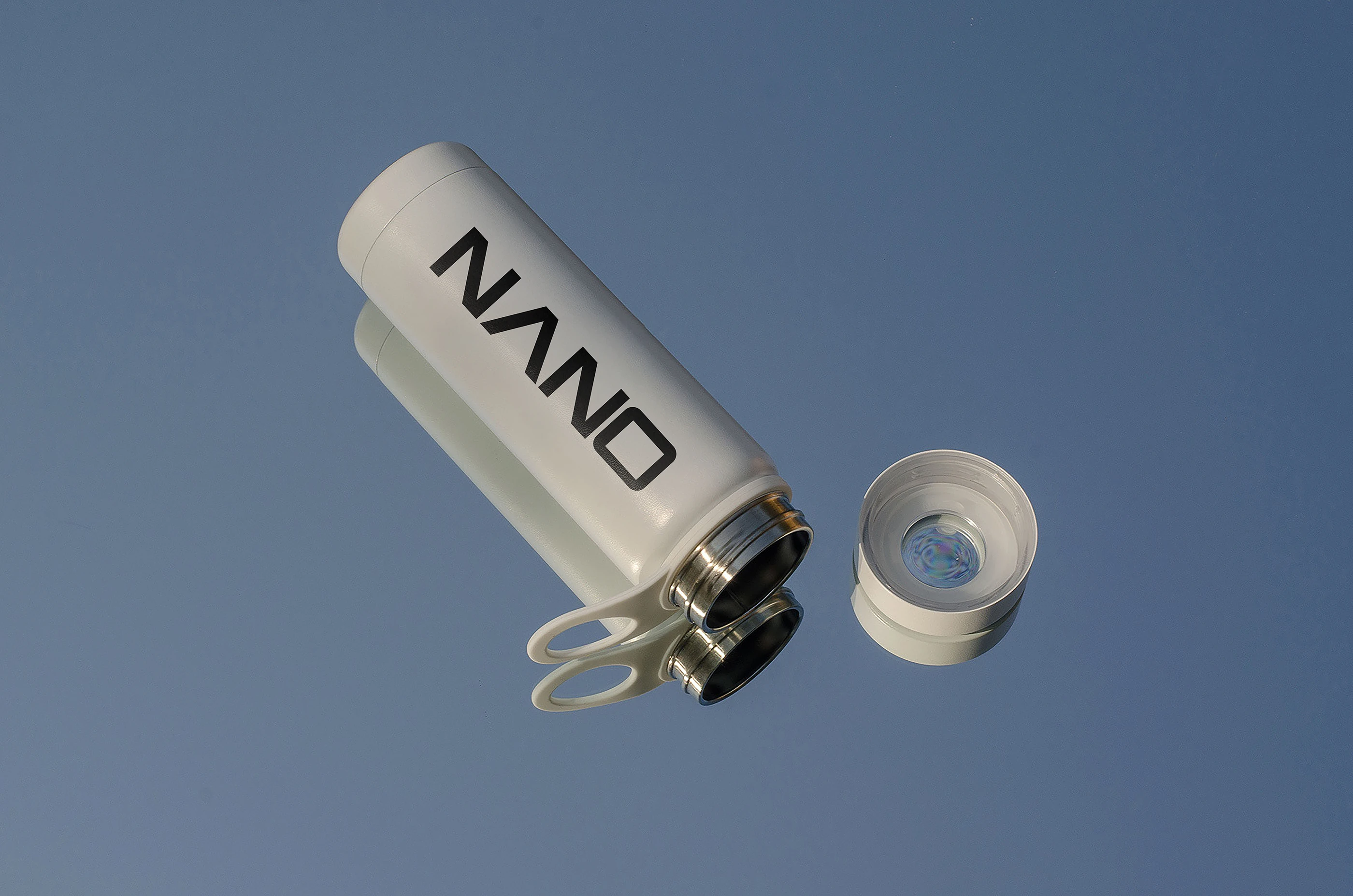
1. Premium insulated tumbler. A double-wall vacuum insulated tumbler with refined finish and subtle logo remains one of the most widely used corporate gifts. Choose matte or powder-coated finishes — they feel more premium and resist fingerprints.
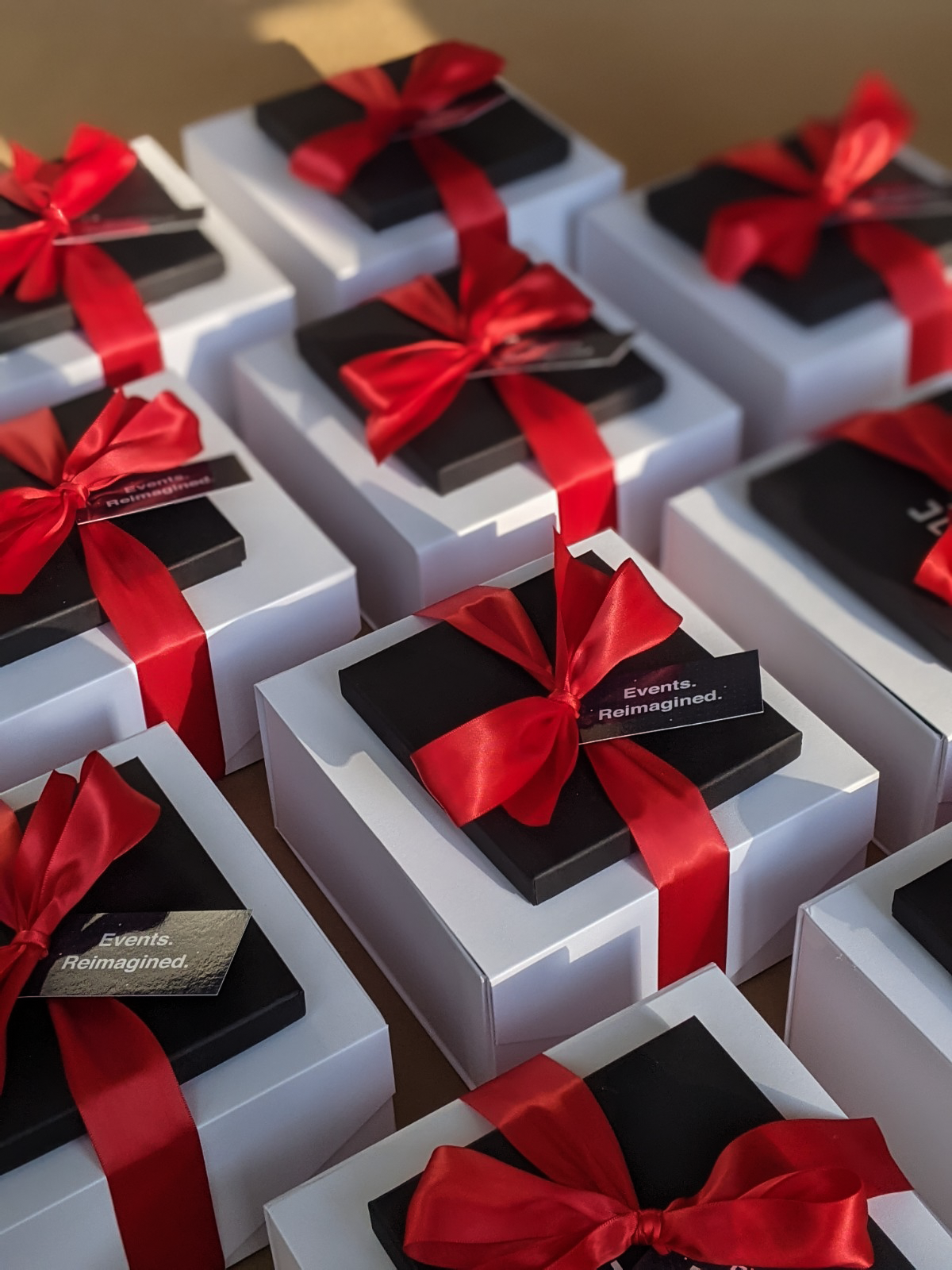
2. Curated gift set. A two- or three-item custom gift set makes a more complete presentation than a single product. Pair complementary items — a journal with a pen, or a candle with artisan chocolate — in intentional branded packaging.
3. Branded fleece blanket. Fleece blankets perform well every Q4 because they suit the season. A generously sized throw with a small embroidered logo gets regular use through winter.
4. Midweight quarter-zip pullover. A neutral-color quarter-zip with clean embroidery works in several settings: professional for the office, comfortable for weekends, and visible enough for organic brand impressions.
5. Artisan coffee or tea collection. Consumable gifts feel personal. Curated single-origin coffee or premium loose-leaf tea, in understated branded containers, works well across audiences. Source quality that exceeds grocery-store standards.
6. Wireless charging pad. Tech accessories tend to stay on recipients' desks. A slim charger with a leather or wood-grain surface looks more premium than a plain one. Keep the logo subtle: a logo debossed on the edge looks better than one printed on the surface.
7. Premium notebook and pen bundle. A long-standing standard. Hardcover notebook with quality paper, paired with a smooth metal pen, communicates professionalism. Ships easily for international recipient lists.
8. Candle and comfort set. For VIP and executive-level gifting, a hand-poured candle paired with a plush throw creates a gift that feels luxurious without being ostentatious. Best for relationships where warmth is the primary message.
9. Branded weekender bag. A higher-cost option for recipients you want to thank in a significant way. Quality construction, thoughtful details, and a luggage sleeve mean it gets used on trips for years.
10. Custom choice gift. Giving recipients a curated selection through a branded storefront portal lets you personalize at scale. Instead of guessing preferences, you offer options and the recipient chooses.
Budget tiers: what to spend at each level
Entry tier: twenty-five to fifty dollars. One hero product with a personalized card. Invest the full budget in one excellent item rather than splitting across two mediocre ones.
Mid tier: fifty to one hundred twenty-five dollars. A curated two- or three-item set with branded packaging. A good balance for most programs: a complete unboxing experience at a moderate cost.
Premium tier: one hundred twenty-five to three hundred dollars. Multi-item sets with premium packaging, personalized elements, and an apparel anchor or experience component. For a case study on premium gifting impact, the L'Oréal luxury gifting case study shows the approach in practice.
Personalization that makes holiday gifts memorable
Personalization is the most effective improvement most programs can make. Start with the card: a handwritten note from the account manager is much more personal than a printed message. Next, consider recipient-specific selection: coffee lovers receive the artisan roast, tea drinkers get the loose-leaf collection. Even simple segmentation makes a batch send feel chosen for each recipient.
For larger programs, branded selection portals let recipients choose from curated options, which combines personalization with operational efficiency.
Shipping and logistics for year-end delivery
Logistics cause more problems in holiday programs than product selection does. Carrier networks operate at peak capacity from late November through December, meaning transit times stretch and tracking reliability drops.
Domestic shipments should be in transit by early December for ground, mid-December for expedited. International shipments should ship by late November. Build in address verification — returned packages add cost and delay. For organizations managing large lists across regions, reaching out to a fulfillment partner early — ideally by September — gives time to plan around your specific volume and destinations.
Mistakes that ruin holiday gifting programs
Starting too late. Popular products sell out, production queues fill, carrier rates spike. Product choice, pricing and on-time delivery all depend on ordering early.
Over-branding. Holiday gifts are meant to thank the recipient, and a logo on every surface makes the gift look like advertising. Use branding as an accent, not the main message.
Ignoring dietary and cultural considerations. Food gifts need to account for allergies, restrictions, and customs regulations on consumables. When in doubt, default to non-consumable products.
Skipping the personal touch. A premium gift in a plain box with no card feels impersonal. Packaging and a personal message make the shipment feel like a gift.
No post-campaign review. Without debriefing on what worked and what failed, the same mistakes tend to repeat each year. The best corporate gifts for 2026 guide offers a framework for building year-round evaluation cycles that feed into seasonal planning.