What corporate gifting actually is (and what it isn't)
Corporate gifting is the practice of sending thoughtfully selected physical products to employees, clients, prospects, and partners at specific moments that matter: onboarding, deal close, annual appreciation, milestones, holidays, and beyond. Done well, a gift reinforces the relationship after the occasion has passed.
Corporate gifting is different from last-minute or leftover purchasing, such as ordering five hundred stress balls with a logo the week before a conference, or giving employees warehouse surplus and calling it recognition. Items bought that way are usually thrown away. The distinction matters because the best gifting programs operate with the same rigor as any revenue-driving campaign: defined audience, clear objective, allocated budget, and measurable outcomes.
The global corporate gifting market surpassed 765 billion dollars in 2023 and continues to accelerate. That growth reflects a shift in how organizations view gifting. It has moved from a discretionary perk to a repeatable business channel that touches recruiting, retention, sales acceleration, customer lifetime value, and employer brand. Running gifting as a planned program rather than an afterthought makes that spend easier to manage and measure.

The business case for structured gifting programs
When gifting is not coordinated, spend is spread across departments and is hard to track. Marketing orders branded tumblers from one vendor. Sales sends client gifts through another. HR cobbles together onboarding kits from a third. The result is inconsistent quality, fragmented spend data, and no clear view of what worked. The problem grows with each additional office or region.
A structured program eliminates this by centralizing sourcing, standardizing quality, and connecting every gift to a business objective. When programs are designed around outcomes, they become defensible during budget reviews because there is data to back them up.
The numbers support this approach. Research from the Incentive Research Foundation shows that well-executed recognition programs can improve employee engagement by up to 48 percent. On the sales side, gifting programs consistently shorten deal cycles when gifts are timed to key pipeline stages. Client retention programs that include annual appreciation gifting see measurably lower churn than those that rely on digital outreach alone.
The strongest programs tie gifting to specific outcomes: first-90-day employee retention, client renewal rates, pipeline influenced revenue, and post-event meeting conversion. Without clear metrics, gifting budgets are easy to cut during quarterly reviews because there is nothing quantitative to defend. For more on selecting high-performing products that support these outcomes, see our guide to the best corporate gifts in 2026.
Five types of corporate gifting programs
Most corporate gifting falls into five categories. Each serves a different audience, operates on a different timeline, and requires a different execution approach. Understanding these distinctions prevents the common mistake of applying one strategy to all five.
Employee recognition and milestones. Work anniversaries, promotions, birthdays, project completions, and performance awards. These programs directly impact engagement and voluntary turnover. The best versions pair a physical gift with a visible recognition moment, whether that is a team shout-out, a Slack celebration, or a manager-delivered package. For inspiration on what to include, see employee onboarding gift ideas.
New hire onboarding kits. Welcome packages that arrive before or on day one, typically including branded apparel, desk essentials, and a personal welcome note. They are often a new hire's first physical contact with the company. For distributed teams, the kit may be the main physical part of onboarding. We cover this category in depth in our complete guide to employee welcome kits.
Client and prospect gifting. Gifts sent to nurture key accounts, celebrate closed deals, support renewals, or re-engage dormant relationships. Tiered programs that scale gift value to account value prevent overspending while maintaining meaningful impact at every level of the relationship.
Event and conference gifting. Booth activations, speaker gifts, VIP event packages, and post-event follow-up kits. These programs support pipeline development at events, where many prospects are in one place. Strategic event gifting is covered in our guide to event and conference swag.
Holiday and seasonal campaigns. Year-end appreciation gifts for clients, partners, and internal teams. Recipients tend to expect more from holiday gifts than from other occasions, so these benefit most from early planning, premium product quality, and personalized touches. For curated holiday ideas, see our top holiday corporate gifts for 2026.
Building a gifting strategy from scratch
Every effective gifting strategy begins with three questions: who are you gifting, what business outcome are you supporting, and what budget can you sustain consistently? A consistent schedule matters more than an occasional large campaign. Regular quarterly gifts generally do more than a single expensive year-end campaign, because repeated contact builds familiarity and trust over time.
Start by mapping your gifting calendar against business milestones. Align campaigns to fiscal quarters, client renewal windows, event schedules, and seasonal peaks. Planning ahead avoids the last-minute ordering that leads to rush fees, poor product availability, and missed delivery windows.
Next, define tiers based on relationship value and campaign objective. A three-tier model works for most organizations. The first tier is a broad appreciation tier for wide distribution: all-hands gifts, event swag, and seasonal campaigns. The second is a relationship tier for active clients, engaged employees, and key partners. The third is a premium tier for executive hires, VIP accounts, and strategic deal moments.
Each tier should have a defined per-recipient budget range, a curated product shortlist, and a packaging standard. This structure allows teams to execute quickly without re-inventing the program every time a gifting moment arises.
Choosing products recipients actually want
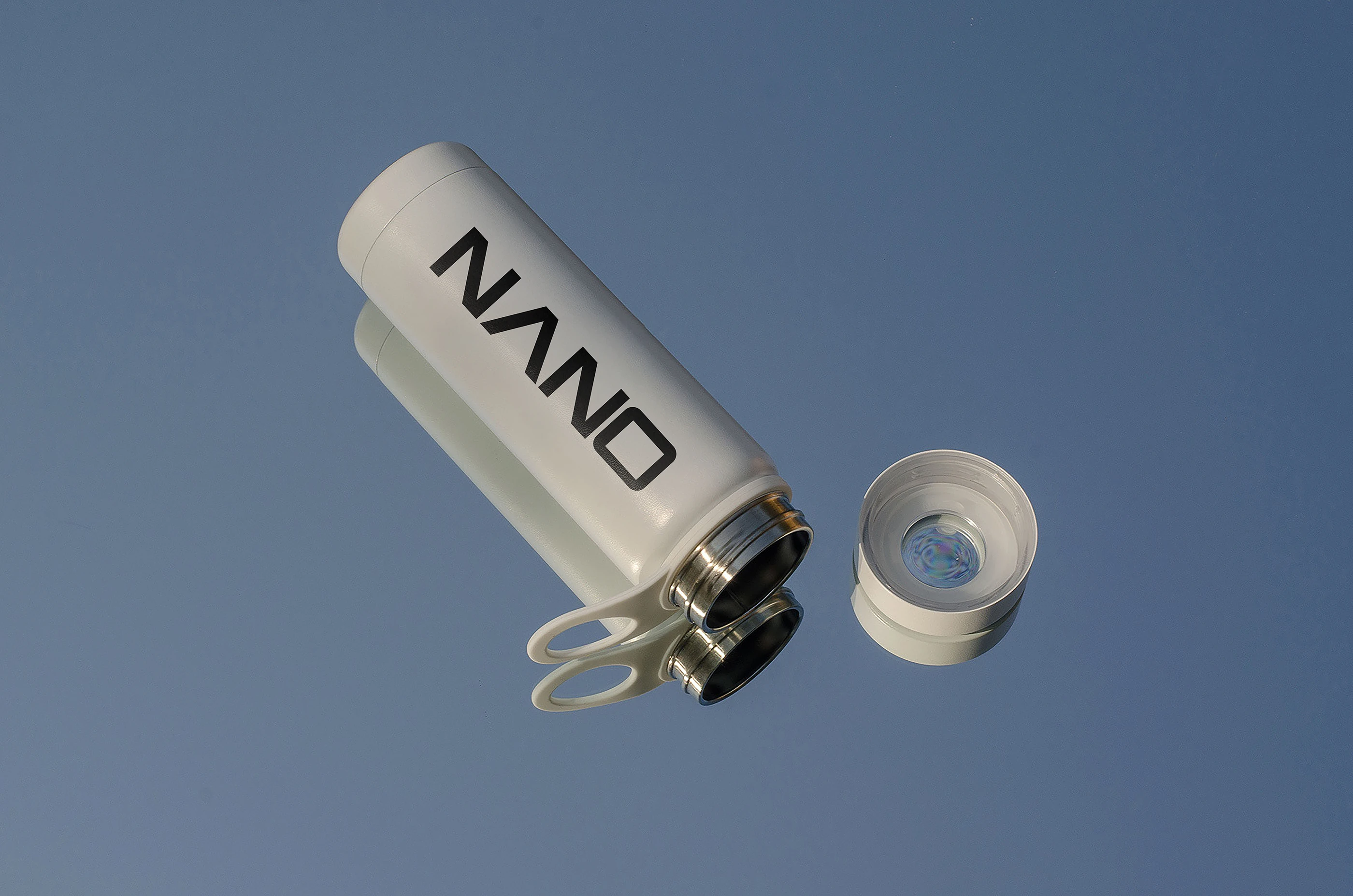
Utility is the most important product filter. Items people use every day, whether a premium tumbler on a desk, a quality notebook in a bag, or a comfortable pullover worn on weekends, generate more brand visibility and goodwill than novelty items that end up in a drawer.
For broad-distribution tiers, focus on universal utility. Insulated drinkware, quality notebooks, tech accessories like wireless chargers and cable organizers, and lightweight apparel layers consistently rank highest in recipient satisfaction surveys. These categories work across demographics, climates, and personal preferences.
For premium tiers, shift the emphasis from utility alone to curation and presentation. Curated gift sets that bundle complementary items, such as a leather-bound journal with a premium pen and a small box of artisan treats, feel personally assembled rather than mass-distributed. The packaging, including tissue, custom inserts, and a handwritten-style note, carries as much weight as the products inside.
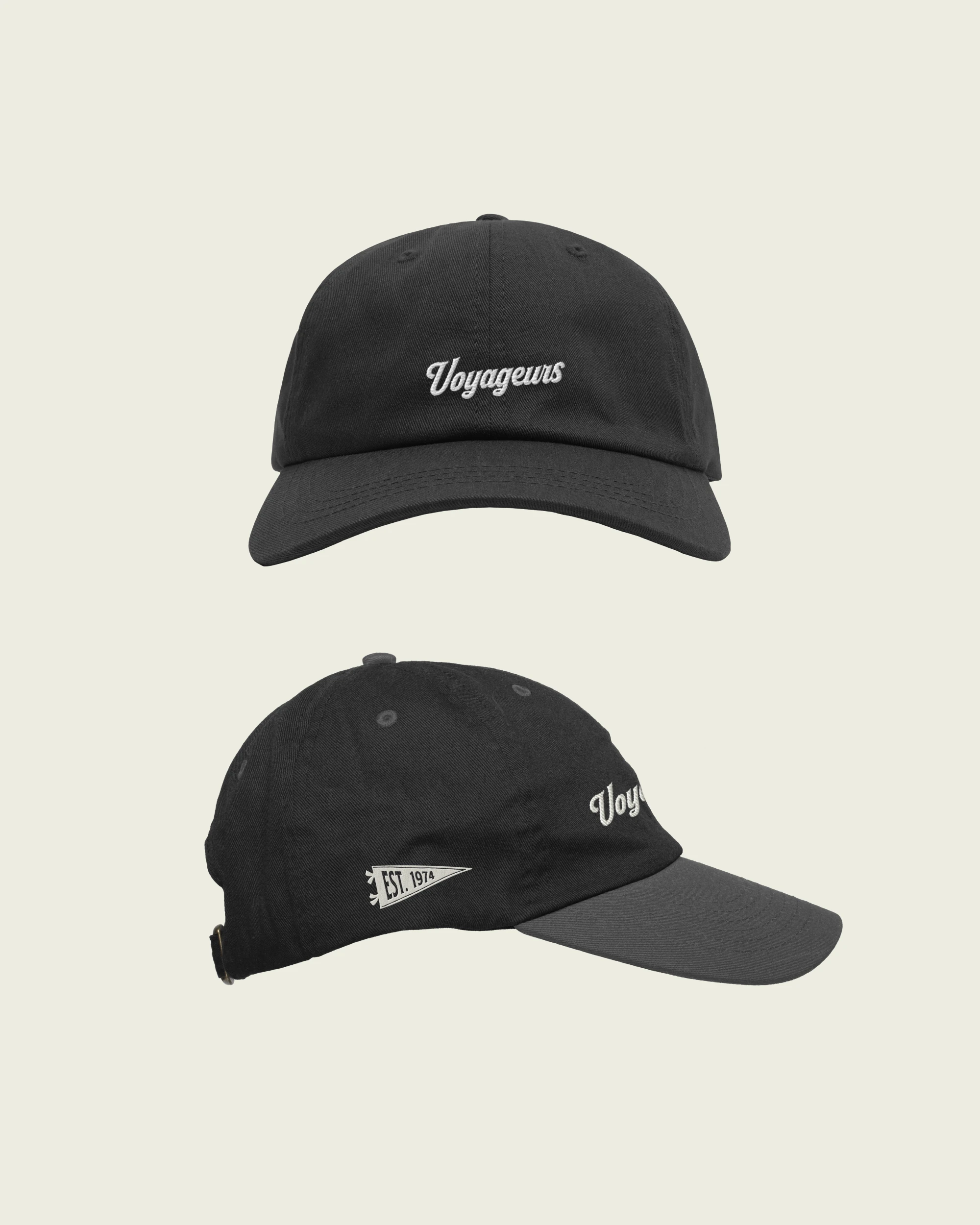
Avoid over-branding. A small, refined logo on a high-quality product is more likely to be used than a large logo on a cheap one. Recipients keep and use items that feel like gifts and tend to discard items that feel like advertising. For a deeper look at product strategy across all merchandise categories, see our complete guide to custom branded merchandise.
Personalizing gifts at scale
Personalization is the most effective improvement most programs can make, and it does not require custom manufacturing for every recipient. The most scalable personalization layers include handwritten-style note cards printed in batches, name-personalized inserts, team or department-specific packaging sleeves, and recipient-selected sizing or color through a digital portal.
These small additions make a standard package feel chosen for the recipient. A branded notebook with a card that includes the recipient's name and a note from their manager feels more personal than the notebook alone.
For VIP and premium tiers, go further. Use account manager insights, past purchase history, or a brief preference survey to inform product selection. A client who has mentioned liking coffee will appreciate a curated coffee kit more than a generic gift basket. A new executive hire who works remotely might prefer a home office upgrade over standard desk supplies. This level of attention shows the gift was chosen for the person rather than sent from a list.
The operational challenge is not the personalization itself but managing it at volume. Teams that handle this well typically centralize their gifting operations on a single platform that stores recipient data, manages product catalogs, and automates assembly instructions. This approach lets you personalize hundreds of gifts per month without creating an unmanageable number of SKUs for internal teams. Many organizations solve this by using branded redemption storefronts where recipients choose their own items within curated selections, so each recipient makes the personal choice themselves.
Budgeting and total landed cost
A common budgeting error is planning for product cost alone. The figure to plan around is total landed cost: the complete expense of getting a finished, branded, packaged gift into a recipient's hands. This includes the base product, decoration, packaging materials, kitting and assembly labor, domestic or international shipping, customs duties for cross-border sends, and any platform or fulfillment fees.
These ancillary costs routinely add 30 to 50 percent on top of product price. A 40-dollar tumbler becomes a 60-dollar delivered gift once you factor in custom engraving, branded box, tissue insert, printed card, and ground shipping. Planning tiers around total landed cost prevents budget overruns once the first batch ships.
Practical budget ranges by tier: entry-level appreciation gifts typically land between 25 and 65 dollars per recipient all-in. Mid-tier relationship and onboarding gifts run 65 to 160 dollars. Premium and VIP gifts range from 160 to 500 dollars or more depending on strategic importance. These ranges are guidelines, not rules, and should be calibrated to your industry, audience expectations, and company stage.
Build a quarterly review cadence to reconcile actual spend against planned budget and against outcomes. This data is the most useful evidence when gifting budgets are reviewed in annual planning. Programs that can show a measurable lift in retention, renewal, or pipeline velocity are much easier to defend than programs that cannot. For transparent cost planning, explore pricing models that break down total program cost before you commit.

Logistics and fulfillment models
How a gift gets from warehouse to recipient affects cost, delivery time, and the recipient's experience. There are three primary fulfillment models, and most mature programs use a combination of all three depending on the campaign.
Bulk ship to a single location. All inventory goes to one address, typically a company office, event venue, or warehouse for internal distribution. This is the simplest model operationally and the most cost-efficient on a per-unit shipping basis. It works well for events, team off-sites, and in-office distribution but does not work when recipients are spread across locations.
Direct-to-recipient shipping. Individual packages go to home or office addresses. This is the default model for remote and hybrid teams, client gifting, and any scenario where the recipient is not in the same physical location as the sender. It requires clean address data, carrier selection by region, and clear delivery tracking. For international recipients, add customs documentation, duties estimation, and longer transit windows to the planning process.
On-demand storefront redemption. Instead of shipping a pre-selected gift, recipients receive a link to a branded portal where they choose from a curated product selection within a defined budget. They enter their own shipping details, select their size and color preferences, and the order is fulfilled individually. This model eliminates sizing errors, reduces waste from unwanted products, and lets recipients choose for themselves while the gifting team maintains brand and budget control.
For organizations scaling gifting across multiple programs and audiences, the operational complexity of managing vendors, inventory, and shipping across all three models becomes the primary bottleneck. The teams that handle this most efficiently tend to consolidate fulfillment onto a single platform that supports all three models from one interface, with centralized inventory visibility and automated shipping rules. Connecting with a merch operations team early in the planning process saves weeks of coordination downstream.
International gifting considerations
Cross-border gifting adds steps that domestic programs do not have. Customs duties and import taxes vary by country, product category, and declared value. Certain items, such as food products, alcohol, and electronics with lithium batteries, face restrictions or outright bans in specific markets. Transit times can stretch from days to weeks depending on carrier, customs clearance speed, and last-mile delivery infrastructure.
Plan for region-specific product substitutions. A premium wool blanket suits a client in Chicago but makes little sense for a recipient in Singapore. Curated gift sets that include locally sourced items in the destination market often feel more thoughtful and arrive faster than cross-ocean shipments of the same standardized kit.
Cultural considerations matter as well. Gift-giving customs, appropriate price ranges, and even color symbolism vary across cultures. In some markets, an overly expensive gift can create discomfort rather than gratitude. In others, modest gifts may signal low regard. Research your key recipient markets and build cultural guidelines into your gifting playbook.
For teams gifting across more than three or four countries, working with a fulfillment infrastructure that has regional warehouse presence or established international carrier partnerships is necessary to keep customs paperwork manageable and deliveries on schedule.
Measuring gifting ROI
Gifting ROI is measurable, but only if you design measurement into the program from the beginning. Attributing outcomes to gifts sent months earlier is very difficult after the fact. The strongest programs define their success metrics before the first gift ships.
Track three layers of data. Operational metrics reveal execution quality: on-time delivery rate, address accuracy, kit assembly error rate, and cost per delivered gift. These come first. If deliveries are late or incorrect, product quality will not make up for it.
Experience metrics capture recipient response: satisfaction survey scores, qualitative feedback, social media sharing, and redemption rates for storefront-based programs. These indicate whether the product selection and presentation are landing as intended.
Business metrics connect gifting to outcomes that justify investment: employee retention at 90-day and one-year marks, client renewal rates correlated with gifting touchpoints, pipeline velocity for prospects who received gifts versus those who did not, and referral activity from gifted accounts. For an example of how premium gifting directly influenced business outcomes, see the L'Oreal luxury dermatologist gifts case study.
Build a simple dashboard or quarterly report that consolidates these metrics. Share it with leadership. Programs with outcome data are easier to defend in budget reviews. Over time, this data also reveals which product categories, tiers, and timing windows generate the strongest returns, allowing you to shift budget from low-impact sends to high-performing campaigns.
Common mistakes that waste budget
The following mistakes are common in organizations of every size, and each can be prevented with planning.
Ordering too late. Rush production fees, expedited shipping costs, and limited product availability make late orders more expensive. Premium products sell out early, especially during Q4 holiday season. The best programs lock production timelines at least eight to twelve weeks before intended delivery dates.
Choosing based on internal preference. What the marketing team likes is often different from what recipients, such as a 55-year-old client in finance, want to receive. Base product selection on what you know about recipients rather than on internal preference.
Over-branding premium gifts. A large logo on the front of an expensive jacket means most people will not wear it outside work. Subtle, tasteful branding on high-quality products gets used daily. Heavy branding makes any item feel like a uniform or a promotional item rather than a genuine gift.
Ignoring total landed cost. Budgeting for product price without accounting for decoration, packaging, assembly, and shipping leads to programs that run out of money halfway through the recipient list. Always budget on delivered cost per recipient.
Sending identical gifts to every tier. A 50-dollar gift for a new prospect and a 50-dollar gift for a client who spends six figures annually sends the wrong message. Tiering matches the gift to the importance of the relationship, not only to the budget.
Failing to collect delivery data. If you do not know when a gift arrived, whether it was opened, or how the recipient responded, you cannot improve the program or attribute outcomes. Every send should generate trackable data that feeds the next cycle.
Building your gifting playbook
Teams that run gifting smoothly usually have the process documented. The best programs build a living playbook that captures every decision, process, and outcome so the operation improves each cycle rather than restarting from scratch.
Your playbook should include audience definitions and tier criteria, approved product lists by tier and season, packaging specifications and brand guidelines for decoration, vendor and fulfillment partner contacts, ordering timelines mapped to delivery deadlines, personalization templates and workflows, budget tracking templates, and a measurement framework with defined KPIs.
Treat the playbook as a product that gets updated quarterly. After each campaign, run a brief retrospective: what worked, what failed, what should change. Fold those learnings into the next version. After two or three cycles, the playbook becomes a reference that makes each campaign faster to plan and easier to budget.
Organizations with effective gifting programs treat gifting as a system rather than a series of one-off purchases. They invest in the right tools, measure outcomes, and adjust after each cycle, which keeps the program within budget and on brand.
To put this framework into practice, browse curated gifting products, explore branded storefronts for recipient choice, or talk to our merch team to start building your program.