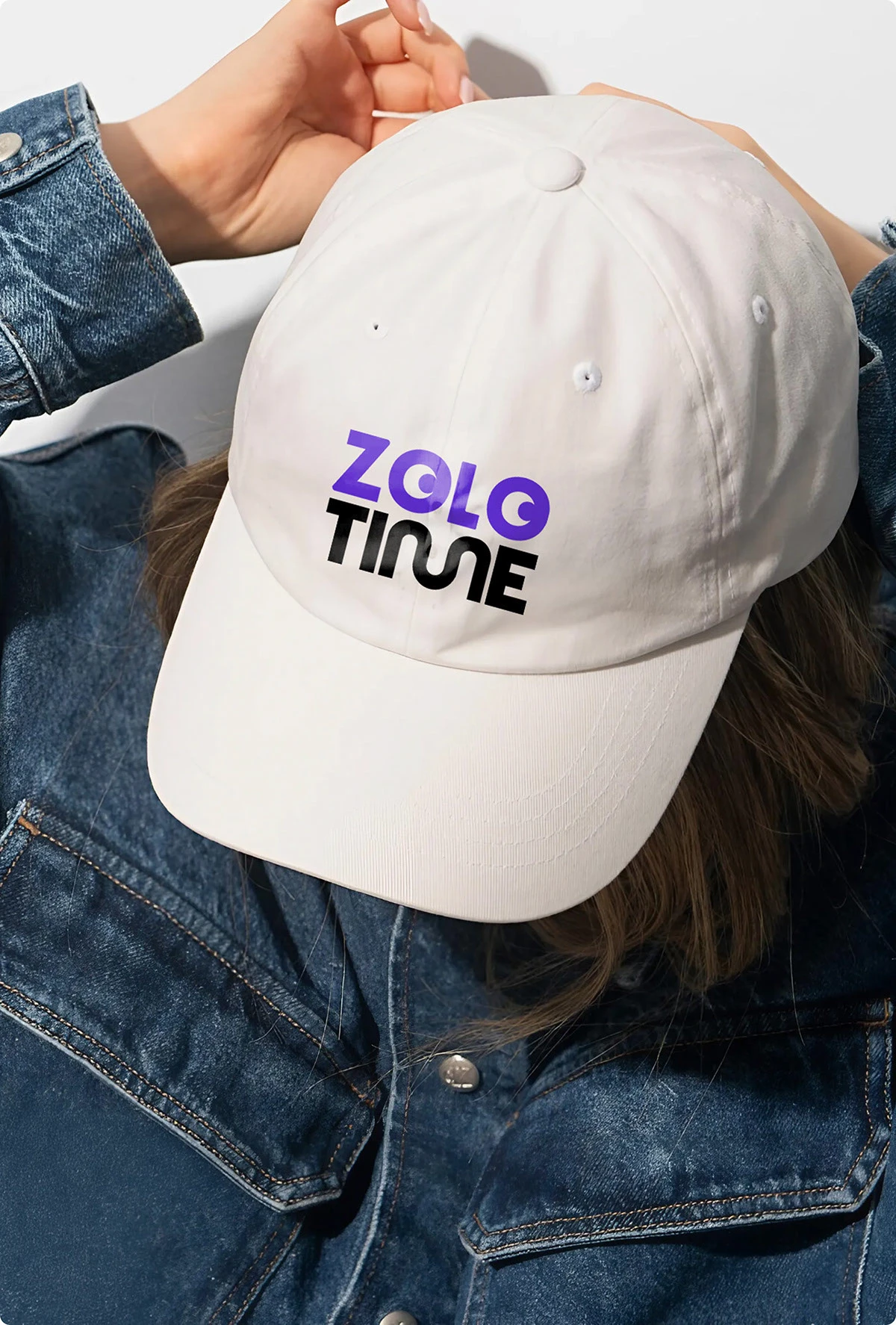
Hoodies are the single most requested item in branded merchandise programs, and for good reason. They sit at the intersection of comfort, daily wearability, and visible brand presence in a way that no other apparel category matches. A well-made branded hoodie gets worn to coffee shops, on video calls, at team off-sites, and on weekend errands — generating impressions far beyond the initial distribution event.
But ordering custom hoodies involves more decisions than most teams expect, and the wrong choices compound quickly. A cheap blank that pills after three washes, a decoration method that cracks and peels, a sizing plan based on guesswork — each mistake erodes the goodwill the hoodie was supposed to create. This guide walks through every step of the process so that the hoodies you order are the ones people actually want to wear. For broader context on how apparel fits into a company's overall branded merchandise strategy, the complete guide to custom branded merchandise covers the strategic framework behind every product category.
Why Hoodies Are the Most Popular Branded Apparel Item
The hoodie occupies a unique position in the apparel hierarchy. It is casual enough for daily wear but substantial enough to feel like a genuine gift rather than a throwaway promotional item. Unlike a t-shirt — which competes with dozens of other tees in someone's wardrobe — a quality hoodie becomes a go-to layer that people reach for repeatedly.
From a branding perspective, hoodies offer more decoration real estate than almost any other garment: left chest, full front, full back, sleeves, and hood. But the most effective branded hoodies use restraint rather than maximizing coverage. A small embroidered logo on the chest creates a premium, wearable piece. A billboard-sized graphic across the back creates a costume that sits in a closet. The best hoodie programs understand that wearability is the metric that matters — because a hoodie that gets worn generates brand impressions, and one that stays folded generates nothing.
Step 1: Choose Your Blank
The blank — the undecorated hoodie itself — determines eighty percent of how the final product feels to the recipient. Decoration can elevate a good blank, but it cannot save a bad one.
Three variables matter most: fabric weight, construction, and fit. Lightweight fleece in the six-to-seven-ounce range works for warmer climates and layering. Midweight fleece at eight to ten ounces is the safest all-purpose choice — warm enough for cool mornings, light enough for indoor wear. Heavyweight fleece above ten ounces communicates premium quality and works best for colder markets or elevated brand drops.
Construction details separate blanks that last from blanks that fall apart. Look for double-needle stitching on the cuffs and hem, a jersey-lined hood, and a sturdy kangaroo pocket. Side-seamed construction — where the body panels are cut and sewn separately rather than tubular-knit — produces a more tailored fit and a more premium hand-feel.
On fit, decide early whether to offer unisex relaxed, unisex standard, or separate men's and women's cuts. Unisex relaxed is the most operationally efficient — one SKU covers the widest range of body types. If your audience is style-conscious, offering both a standard and a relaxed option improves satisfaction but doubles your inventory complexity. Browse the hoodie catalog to compare blanks across weights, fits, and price points before committing.
Step 2: Choose Your Decoration Method
The decoration method determines how your logo appears on the hoodie — its texture, durability, visual quality, and cost. Each method has trade-offs, and the right choice depends on your artwork complexity, order quantity, and desired aesthetic.
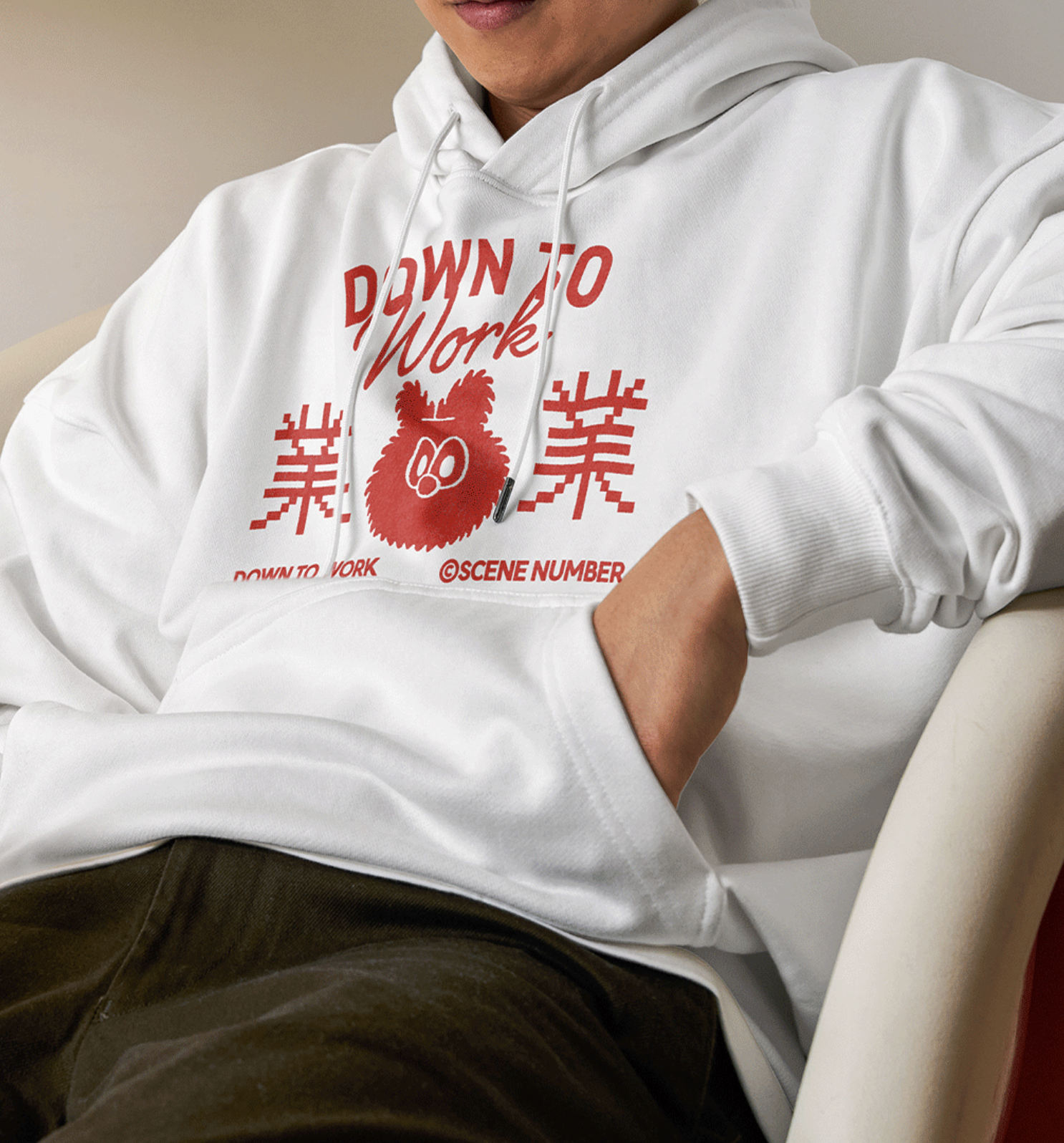
Screen printing is the workhorse of branded apparel. It produces vibrant, durable prints at the lowest per-unit cost for orders above forty-eight pieces. Screen printing works best for bold, limited-color designs — a one-to-three-color logo on the chest or a graphic on the back. Setup costs are fixed per color, so simpler designs are more cost-effective at lower quantities.
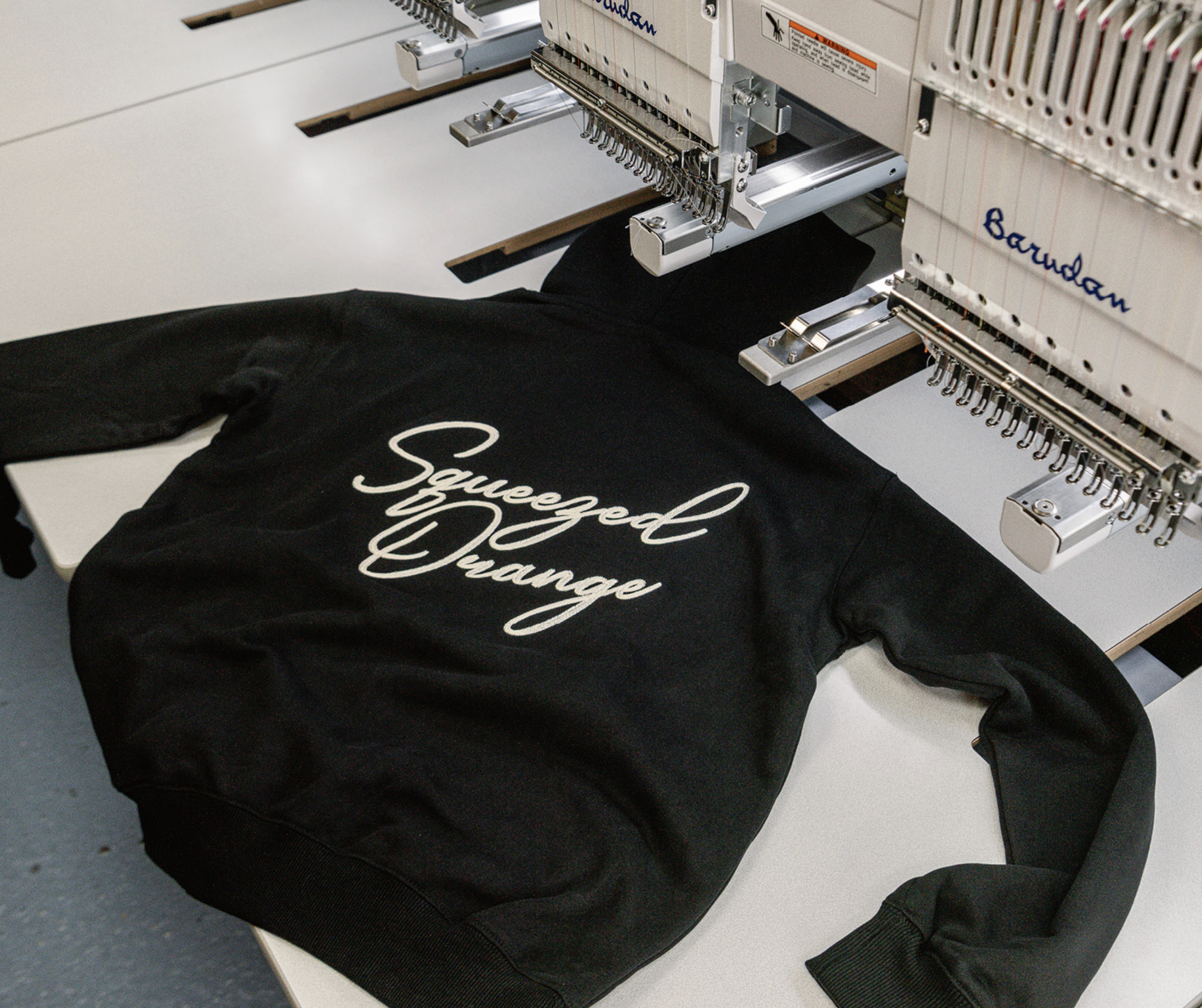
Embroidery is the premium standard for corporate and gifting hoodies. A stitched logo on the chest communicates quality in a way that printed logos cannot replicate. Embroidery is exceptionally durable — it outlasts the garment itself — and it works beautifully on fleece fabrics. The limitation is detail: very small text and intricate gradients do not translate well to thread. For hoodies specifically, chest embroidery is the gold standard.
Direct-to-garment (DTG) printing handles full-color artwork and photographic detail at small quantities without the setup costs of screen printing. It is ideal for complex designs or runs under forty-eight pieces. The trade-off is slightly lower durability compared to screen printing and higher per-unit costs at volume.
Heat transfer and vinyl methods work for names, numbers, and simple one-color designs at very low quantities. They are fast to produce but less durable over repeated washing. The screen printing vs. embroidery buyer's guide breaks down these trade-offs in granular detail, and the decoration methods page covers every available technique with visual examples.
Step 3: Prepare Your Artwork
Artwork issues are the most common cause of production delays. Preparing files correctly before submitting an order prevents back-and-forth revisions that push timelines.
For screen printing, provide vector files in AI, EPS, or high-resolution PDF format. Colors should be specified as Pantone (PMS) values, not RGB or CMYK, to ensure accurate color matching on fabric. For embroidery, the same vector files work — the production team will convert them into a stitch file (digitization), but clean vector source art produces the best results. For DTG, high-resolution raster files at three hundred DPI or higher in the final print dimensions are acceptable.
Consider how your logo interacts with the hoodie color. A dark logo on a dark hoodie disappears. A white logo on a heather grey hoodie looks effortlessly clean. If your brand guidelines only include a dark-background logo, work with your design team to create a light-on-dark variant specifically for apparel. This small investment in artwork preparation pays dividends across every future apparel order.
Step 4: Understand Sizing and Ordering
Sizing mistakes are expensive. A hoodie that does not fit does not get worn, which means the entire investment — blank, decoration, shipping — is wasted. Worse, a poorly fitting hoodie sends a message that the company did not care enough to ask.
The best practice is collecting sizes from recipients before placing the order. A simple form during the ordering process captures size preferences and eliminates guesswork. When pre-collection is not possible — rush orders, event giveaways, general inventory — use a distribution weighted toward the statistical middle of your audience. A common starting split for a one-hundred-piece order: five percent small, twenty percent medium, thirty-five percent large, twenty-five percent extra-large, ten percent double-XL, and five percent triple-XL. Track actual redemption data and adjust ratios with each subsequent order.
Minimum order quantities vary by decoration method. Screen printing typically starts at twenty-four to forty-eight pieces. Embroidery minimums can be as low as twelve. DTG has no practical minimum, making it ideal for small runs or individual orders. For teams exploring whether to order in bulk or use on-demand fulfillment for ongoing programs, the print on demand vs. bulk ordering guide compares the economics and operational trade-offs of each approach.
Step 5: Review Timelines and Plan Ahead
Custom hoodie production is not instant, and underestimating timelines is one of the fastest ways to end up with a compromised product or a missed deadline.
A realistic timeline for a standard order: artwork finalization takes two to five business days including revisions. Sample approval — strongly recommended for first-time orders — adds five to seven business days. Production runs two to three weeks for screen printing and three to four weeks for embroidery. Shipping adds three to seven business days for domestic ground, longer for international.
End to end, plan for four to six weeks from artwork submission to delivery. For rush orders, some production facilities offer expedited timelines at a premium — typically fifteen to thirty percent above standard pricing. But rushing production increases the risk of quality issues, so building adequate lead time into your planning is always preferable.
For recurring programs — quarterly team drops, new hire kits, event inventory — establish a production calendar that maps backward from delivery dates. Lock artwork and sizes four to six weeks before each target date, and build in one week of buffer for the unexpected delays that inevitably occur.
Cost Breakdown: What Custom Hoodies Actually Cost
Hoodie pricing varies significantly based on blank quality, decoration method, and order quantity. Understanding the components helps you budget accurately and make informed trade-offs.
Blank cost: entry-level fleece hoodies run eight to fifteen dollars. Midweight premium blanks run fifteen to twenty-five dollars. Heavyweight and fashion-forward blanks run twenty-five to forty dollars. The blank is the foundation — spend here rather than on additional decoration.
Decoration cost: screen printing adds three to eight dollars per piece for a one-to-two-color design at quantities above forty-eight. Embroidery adds five to twelve dollars for a standard chest logo. DTG adds eight to fifteen dollars per piece, with costs decreasing at higher volumes.
Setup fees: screen printing charges twenty-five to fifty dollars per color for screen creation. Embroidery charges thirty to seventy-five dollars for digitization. DTG typically has no setup fee.
At a fifty-piece order with a midweight blank and chest embroidery, expect an all-in per-unit cost of twenty-five to forty dollars. At two hundred pieces with screen printing, the per-unit cost drops to eighteen to thirty dollars. For transparent pricing without requiring a sales call, the Brandmerch pricing page publishes current rates across blank tiers and decoration methods.
Common Hoodie Ordering Mistakes
Predictable errors derail hoodie orders across companies of every size. Most are preventable with awareness and planning.
Choosing the cheapest blank. A ten-dollar hoodie that pills, shrinks, and loses shape after three washes costs more than a twenty-dollar hoodie that lasts two years — because the cheap one generates returns, complaints, and zero brand impressions. Invest in the blank.
Skipping the sample. Approving a hoodie based on a digital mockup is a gamble. Colors render differently on screens than on fabric. Embroidery density looks different in a photo than in person. A physical sample costs fifty to seventy-five dollars and two weeks — a fraction of the cost of reprinting a full order that does not meet expectations.
Overcomplicating the design. Hoodies with logos on the front, a graphic on the back, sleeve prints, and a hood embroidery look busy, not premium. The most wearable branded hoodies use one primary decoration location — usually left chest — and leave the rest of the garment clean.
Ignoring care instructions. Fleece hoodies last dramatically longer when washed inside-out on cold and tumble-dried on low. Including a care card in the packaging — or printing care tips on the hangtag — protects your investment by extending the product's usable life.
Ordering without a size plan. Guessing sizes produces excess inventory in unpopular sizes and stockouts in popular ones. Collect data, track patterns, and improve with every order.
Custom hoodies are one of the highest-impact branded products a company can produce — but only when the blank, decoration, sizing, and timing all align. Follow these steps methodically, invest in quality at the blank level, and plan your timelines conservatively. The result is a hoodie people reach for every day, carrying your brand into the world one wear at a time. For teams ready to start, reach out to discuss your project or explore the hoodie catalog directly.