Branded merchandise is harder to run than it should be. Order hoodies for the team, produce swag for a conference, ship welcome kits to new hires — and it turns into vendor emails, scattered approvals, mismatched logo files and delivery dates nobody controls.
Brandmerch replaces all of it. One platform to source products, generate mockups, hold brand standards, run storefronts and get orders delivered.
The Problem with Merchandise Management Today
Merchandise touches marketing, HR, sales and events, but no single system ties it together. Each team builds its own vendor list, its own approvals, its own tracking. Sourcing restarts from scratch every project. Brand consistency erodes because logo files live in seventeen folders and every vendor reads the guidelines differently. Orders disappear into a production queue and reappear weeks later. The result is duplicated work, inconsistent quality and spend nobody can measure. See the Swag.com vs. Sendoso vs. Brandmerch comparison.

What Brandmerch Is
Brandmerch is vertically integrated. One company owns the catalog, the warehouse, the kitting and the shipping, with MerchOS™ holding budgets, approvals and spend reporting over all of it.
That means merchandise is as easy to manage at scale as it is to order for a team of ten. The complete guide to custom branded merchandise covers building a program at that scale.
The Marketplace: Source from 575 Brands
The Brandmerch marketplace holds 575 brands in one searchable catalog with live pricing, inventory and decoration compatibility — apparel, drinkware, tech accessories, bags, desk items and specialty products, with per-unit costs on screen. Filter by decoration method, price and category and go from idea to a specific SKU in minutes instead of days of vendor outreach. Brandmerch also sources direct from manufacturers and handles goods a company already owns, so there is no separate supplier to manage per category.
Mockup Engine and Brand Governance
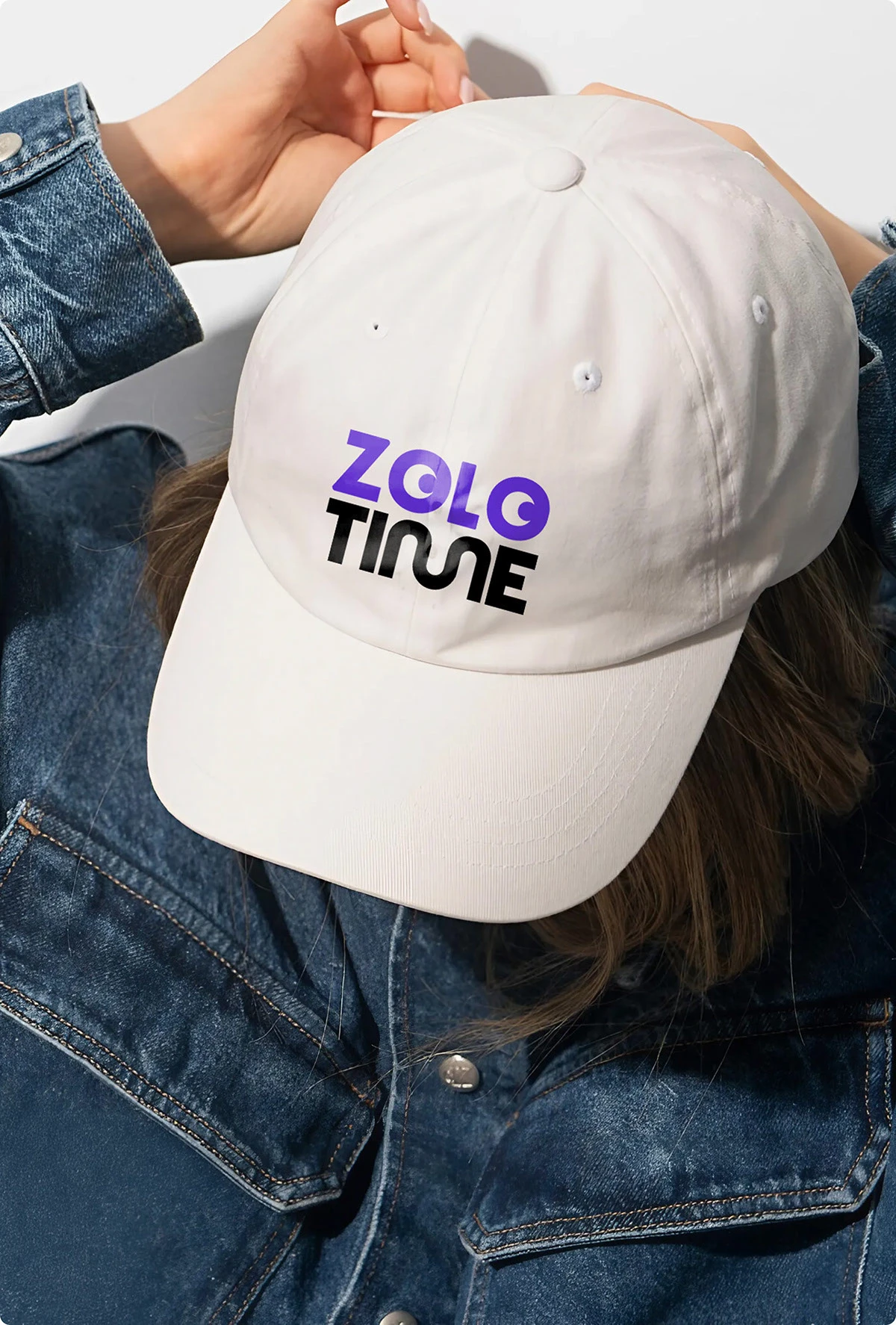
Merch projects stall at approval. Stakeholders cannot picture a finished product from a flat logo file, so they ask for physical samples that take weeks and cost real money. Upload a logo, pick a product and a decoration method, and the mockup engine shows the finished item in minutes — accurate color, placement and decoration detail.
Brand standards hold after that. Approved logo variations, locked color palettes and decoration rules apply to every order, so nothing ships off-brand. The decoration methods page covers what each technique can do.
Branded Storefronts
Branded storefronts are self-service stores for employees, clients, event attendees or any audience you define — company branding, approved products only, and access controls, budget limits and fulfillment rules on each one. A location cannot spend past its budget.
Internally, that ends the request queue: employees browse, pick sizes and order inside their limits. Externally, a storefront becomes a product launch store, a conference portal, or a client gifting interface account managers run themselves. Every storefront reports into one place.
Fulfillment and Logistics
Programs break at scale. Two hundred welcome kits, swag for three events and a quarterly employee drop at the same time is more than a manual process survives.
Brandmerch owns fulfillment — the warehouse, the gift packing and the shipping, to 220+ countries. Orders show live status in one place, and recurring programs run without anyone chasing them.
API and Integrations
Merch has to connect to the systems that trigger it. The Brandmerch API and native integrations cover Salesforce, HubSpot, HR systems and event platforms with no custom development.
A new hire record triggers a welcome kit. A closed-won deal triggers a client gift. A conference registration pre-populates swag selections. Merch stops being a request queue and starts running itself.
Who Brandmerch Is For
Large, dispersed organizations — many offices, regions, chapters, affiliates, franchisees, brands or partner orgs — where HQ needs control over what semi-autonomous units order. Marketing and brand teams that own merchandise quality and need standards enforced without becoming the bottleneck. People operations teams running welcome kits, anniversary gifts and employee stores. Agencies running parallel programs for multiple clients from a single account.
The pricing page publishes current rates without a sales conversation. Explore the marketplace, set up a branded storefront, or reach out directly.