Why event swag should be planned as a pipeline tool
At most large conferences, many booths hand out stress balls, cheap sunglasses, and foam fingers, and much of it is thrown away before the event ends. Companies spend thousands on this merchandise without a measurable business outcome, because swag is budgeted as a cost of attending rather than planned as part of lead generation.
Teams that consistently turn conference spend into pipeline plan event merch as a tiered distribution system: each product is matched to an engagement level, each handoff is tied to a badge scan or other data capture, and each post-event package is designed to restart a conversation. This depends more on planning than on budget. A four-dollar item tied to a badge scan produces more measurable value than a forty-dollar item placed in a tote bag that nobody opened.
This guide covers every stage of that system: goal-setting, product selection, decoration, logistics, booth mechanics, post-event follow-up, and multi-event program management. Whether you are staffing one booth or running a twenty-event annual calendar, the principles here will help you turn swag spending into attributable pipeline.

Setting swag goals by event type
Different events call for different merch strategies. A 300-person industry summit where you know 40 percent of the attendee list calls for a very different product mix than a 10,000-person expo where your booth is one of five hundred. Before selecting a single product, define the event type and align your swag goals accordingly.
Tier-one industry conferences. These are high-density, high-intent events where your ideal buyers are concentrated. Swag goals should center on meeting conversion and post-event follow-up. Invest more per contact, use premium items as meeting closers, and ensure every qualified conversation results in a data capture moment. Quality outweighs volume.
Large-scale trade shows and expos. Foot traffic is the primary challenge. Your booth competes with hundreds of others for attention. Swag goals should focus on driving booth visits, creating stopping power, and building a broad top-of-funnel lead pool. High-volume, lower-cost items that solve an immediate attendee problem — a quality tote bag for carrying materials, a water bottle for a long venue day — outperform premium items that only reach a handful of people.
Hosted events and VIP dinners. These are intimate, high-touch moments where the merch should feel like a curated gift rather than a giveaway. Think corporate gifting principles applied to an event context: premium packaging, personalized elements, and products that communicate investment in the relationship.
Virtual and hybrid events. Swag shipped ahead of a virtual event creates a physical anchor for a digital experience. Pre-event mailers with a branded notebook, quality pen, and drinkware give remote attendees something to hold during sessions — and a reason to post about the event. Logistics are closer to an employee welcome kit program than traditional event distribution, requiring address collection, individual fulfillment, and delivery timing coordination.
What to give away (and what to stop giving away)
The strongest event merch programs follow a simple filter: would an attendee choose to buy this item for themselves? If the answer is no, it does not belong in your inventory. This rules out most traditional swag, including stress balls, cheap sunglasses, plastic toys, fidget gadgets, and novelty items that are thrown away within hours.
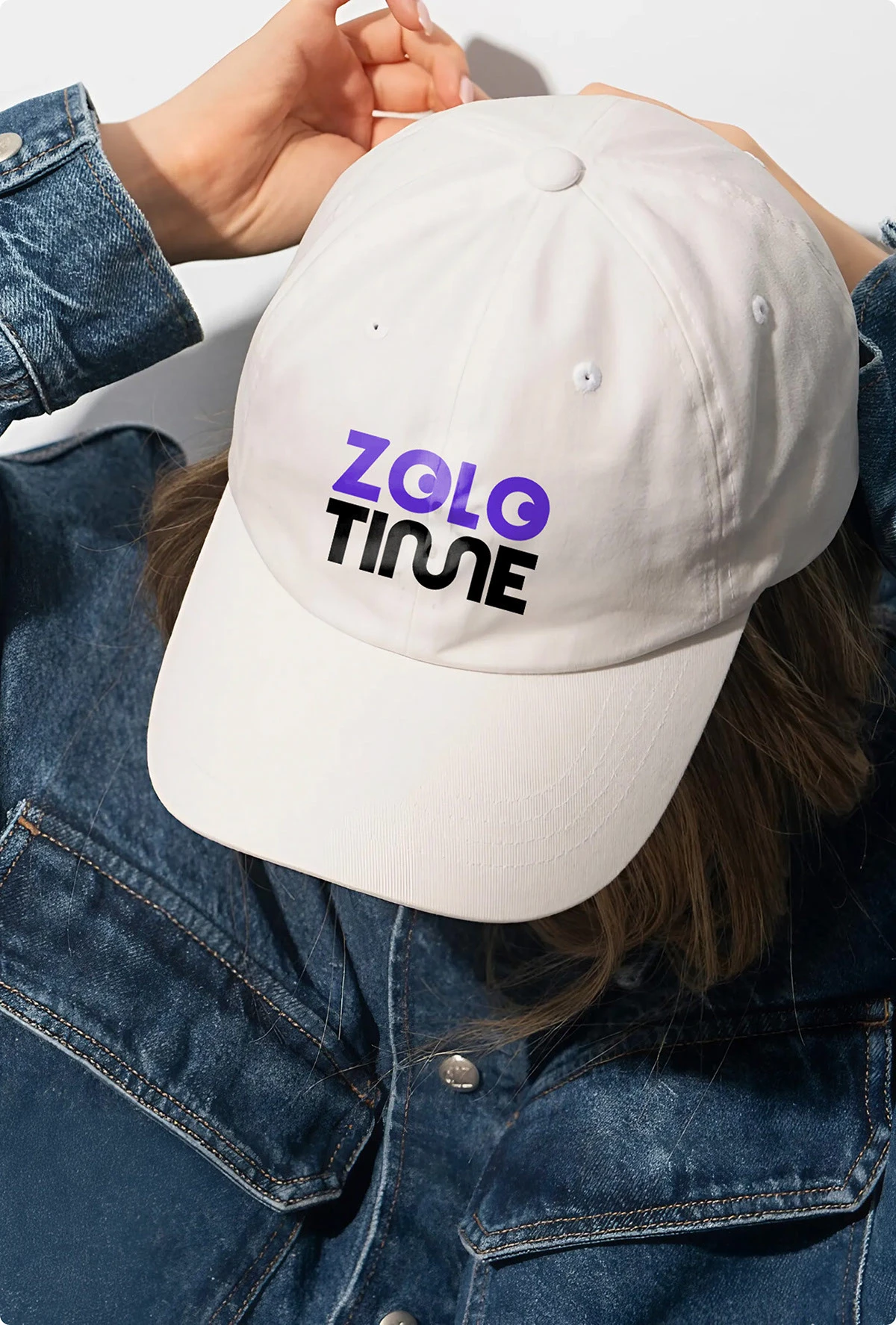
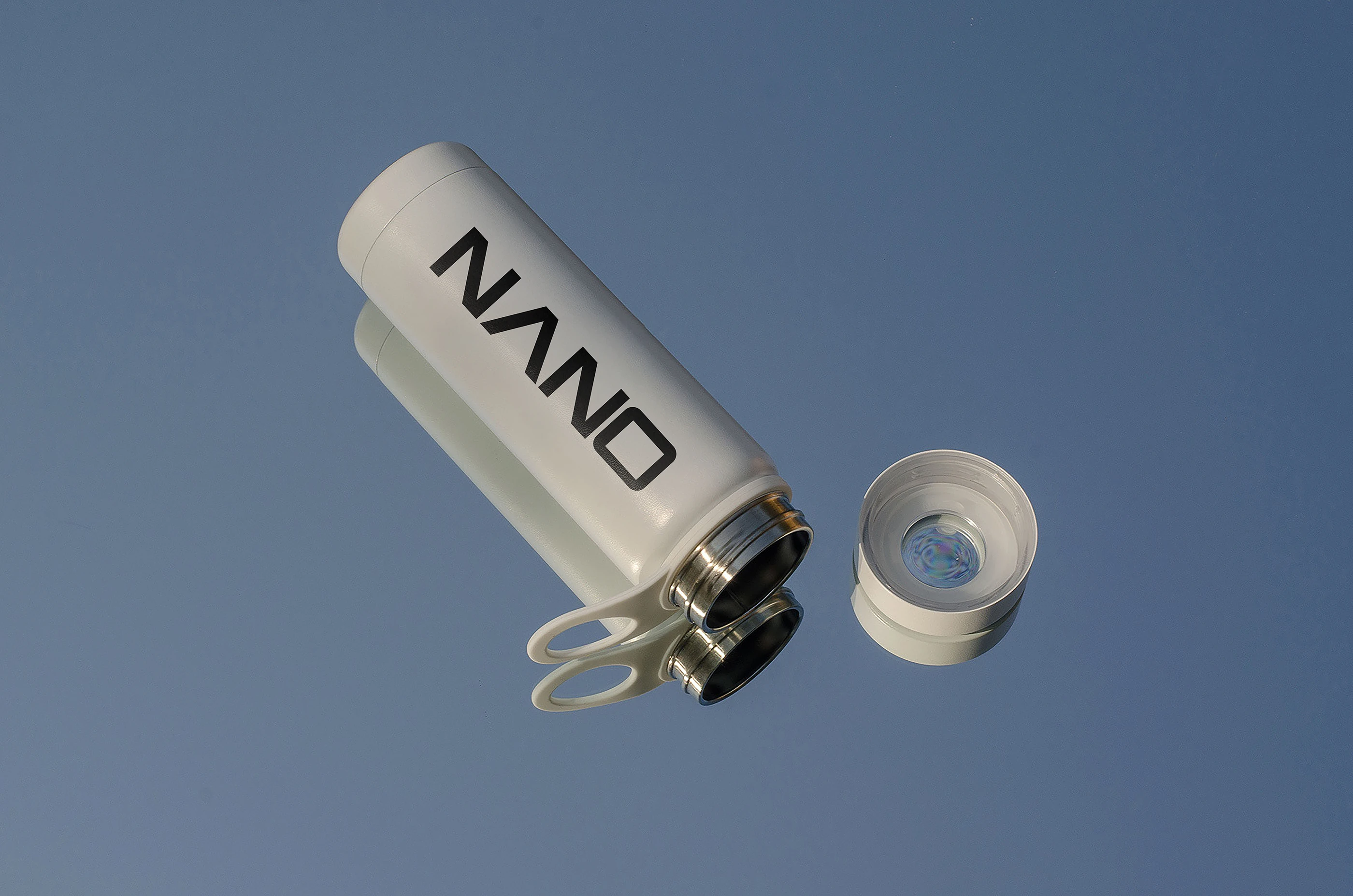
Products that consistently perform. Quality t-shirts with modern fits and subtle branding that people actually wear. Insulated drinkware that replaces a disposable cup. Canvas tote bags that solve an immediate carrying problem during the event and get reused for months. Compact tech accessories — cable organizers, wireless chargers, webcam covers — that fit into a work routine. Structured caps and beanies with clean embroidery that look intentional, not promotional.
Products to retire. Stress balls, cheap pens, flimsy lanyards, foam fingers, oversized novelty items, anything fragile, anything requiring explanation. Items that attendees do not take home do not justify their cost.
Aim for fewer, better items distributed with a plan. Disposable products with your logo do little for the brand. Three good products with a clear distribution plan usually perform better than fifteen low-quality items spread across the booth.
Matching decoration method to product and timeline
Event merch programs often run into decoration problems, either because the method does not suit the product or because the timeline does not allow for the process. Understanding the tradeoffs between techniques helps you make faster, better sourcing decisions.
Screen printing is the workhorse for event apparel — cost-effective at volume, vibrant on dark fabrics, and fast on standard turnarounds. It works best for simple designs with limited colors on flat surfaces. For a booth tee you are ordering 500 of, screen printing is almost always the right call.
Embroidery adds perceived value and durability, making it ideal for caps, polos, quarter-zips, and premium outerwear. It communicates quality in a way that printed logos cannot, but it adds cost and lead time. For premium tier items reserved for meetings and VIP moments, embroidery is worth the investment. For a deeper comparison of when to use each, see our screen printing vs. embroidery buyer's guide.
Direct-to-garment (DTG) supports full-color, photographic designs on apparel without minimum quantities, making it useful for limited-edition event pieces or when design complexity exceeds what screen printing handles cleanly.
Pad printing, laser engraving, and debossing serve hard goods — drinkware, notebooks, tech accessories, and leather items. Laser engraving on metal drinkware is particularly effective for event merch because it is durable, subtle, and resistant to dishwasher wear. For a full breakdown of methods across product categories, visit decoration methods.
The critical planning variable is lead time. Screen printing requires five to ten business days after proof approval. Embroidery can take seven to fourteen. Custom cut-and-sew projects — like the custom basketball uniforms Brandmerch produced for Michelob ULTRA — need six weeks or more. Working backward from your venue delivery date, these production windows determine which products are possible for a given event date.

The economics of event swag
Swag budgets grow quickly when teams order without a distribution plan. A tiered quantity framework ties each product's cost to the level of engagement it rewards.
Tier one: open-access items. These are high-volume, low-cost products available to anyone who visits the booth — stickers, branded socks, tote bags, or small tech accessories. Budget allocation: roughly 40 to 50 percent of total product spend. Target cost: two to eight dollars per unit. Purpose: drive traffic, create brand impressions, and give every visitor a reason to stop.
Tier two: conversation qualifiers. Mid-value items earned through a badge scan, demo, or qualifying conversation. Quality tees, insulated bottles, premium notebooks. Budget allocation: 30 to 35 percent of product spend. Target cost: twelve to thirty dollars per unit. Purpose: reward attention and create a natural exchange mechanism for lead capture.
Tier three: meeting closers. Premium items reserved for booked meetings, key accounts, and high-value conversations. Quarter-zips, curated gift sets, premium tech bundles. Budget allocation: 15 to 20 percent of product spend. Target cost: forty to one hundred dollars per unit. Purpose: create a memorable touchpoint that sustains the conversation beyond the event.
Beyond product cost, account for the full landed expense: decoration, packaging, freight to venue, drayage fees, and return shipping for leftover inventory. These line items routinely add 25 to 40 percent on top of product cost and should be budgeted from the start, not discovered after the invoice arrives. For transparent unit economics across quantities, use Brandmerch pricing tools to model scenarios before committing.
Pre-event logistics and inventory planning
Late deliveries, wrong quantities, and missing sizes are the most common reasons event merch programs underperform. Typical examples are boxes that arrive after setup or medium tees that run out by noon on day one.
Eight weeks before the event: finalize product selection and quantities by tier. Submit artwork for proofs. Confirm venue shipping address, delivery window, and any drayage or receiving requirements. Many convention centers have strict receiving schedules and charge per-piece handling fees that affect total cost.
Six weeks before: approve final proofs and confirm production timeline. Brief your booth team on the tiered distribution model — who gives what to whom, and what engagement action triggers each tier. Print a reference card for the booth.
Three weeks before: confirm tracking numbers and expected delivery dates. Ship to venue or hotel with a buffer of at least three business days before setup. For domestic shipments, ground freight works. For international events, add ten business days minimum and confirm customs documentation.
Day of setup: stage inventory by tier with backstock separated from the active display. Assign one team member as inventory manager responsible for monitoring burn rate and adjusting distribution pacing across show days.
Event merch becomes more complicated when inventory has to be managed across multiple venues, coordinated with on-site staff, and reconciled afterward. Teams that manage this well build a centralized swag pipeline with pre-positioned inventory and automated reorder triggers. A platform like Brandmerch Storefronts lets you maintain a rolling catalog of event-ready products, track inventory levels in real time, and reorder without restarting the design and approval process for each show.
Booth strategy: how swag drives conversations
Swag is one of the main tools a booth team has. How you display, position, and distribute products directly affects foot traffic, dwell time, and lead quality.
Create a visual magnet. Your highest-traffic item should be the most visible thing at the booth. A well-designed tee hanging on a display, a tote bag stacked in a clean pyramid, or a drinkware wall creates visual stopping power that pulls attendees out of the aisle flow. Presentation matters more than volume here.
Use swag as a conversation starter. Train your booth team to use product handoffs as engagement openers, not closers. Leading with the product creates a natural reason to interact rather than relying on cold approach. Handing someone a tote bag and asking about their role is smoother than stepping into the aisle and pitching.
Gate tiers to drive engagement depth. Tier one items are visible and accessible. Tier two items require a badge scan or demo — make this visible with simple signage so attendees know the exchange mechanic. Tier three items are invisible until a senior team member produces them during a meaningful conversation. Keeping them out of sight makes them a clear reward for the conversation.
Monitor and adapt. Track hourly distribution rates and adjust. If day one consumes 60 percent of a three-day supply, tighten tier one distribution or raise the qualification bar for tier two. Running out of swag on day two is worse than having modest leftovers because empty displays signal low demand to late-show attendees.

Post-event follow-up with branded touchpoints
Post-event follow-up is often where swag produces the most return. Most companies send only a follow-up email, and few send a physical item, so one stands out.
Within five business days of the event, ship a tier two or tier three item to your highest-value contacts with a personalized note referencing the specific conversation from the booth. This sequence — physical gift plus personalized context plus meeting request — consistently produces reply rates two to three times higher than email-only follow-up.
For target accounts that visited the booth but did not book a meeting, a follow-up package paired with a specific value proposition stands out from generic post-event email. A thirty-dollar follow-up gift costs little compared to the pipeline value of a booked meeting with a qualified account.
Post-event gifting also works for internal teams. Send a thank-you package to booth staff who spent three days on their feet representing the company. This is corporate gifting applied to internal appreciation — and it directly affects willingness to volunteer for the next event.
Managing swag across a multi-event calendar
For teams that run five or more events per year, the operational work adds up. Each event requires product selection, artwork, proofs, production, shipping, on-site coordination, and post-event reconciliation. Across a dozen shows, the logistics can take as much time as the events themselves.
The solution is to build a standardized merchandise program with a core product catalog that works across events and a modular layer for event-specific customization. Your core catalog might include three to five proven products — a tee, a tote, a drinkware piece, a notebook, and a cap — that are always in inventory and ready to deploy. Event-specific elements like limited-edition colorways, co-branded items, or venue-specific packaging layer on top without requiring a full sourcing cycle each time.
This turns event merch from a series of separate projects into a program with predictable costs, reliable timelines, and improving quality. It also means your team spends their energy on booth strategy and attendee engagement instead of chasing shipments and approving proofs under deadline pressure.
Keeping your product catalog, brand assets, and order history in one platform means that information stays available when the person who managed last year's conference changes roles. The Brandmerch marketplace serves as that central hub — your approved products, artwork, and vendor relationships live in one place so any team member can execute on the next event without starting from scratch.
Measuring event swag ROI
Swag ROI is measurable, but only if you design the measurement into the distribution model before the event. Retroactive attribution is almost impossible because there is no data to connect product handoffs to outcomes.
Lead metrics. Track total badge scans by tier, scan-to-meeting conversion rate, and meetings booked on-site. These are your leading indicators and should be captured in real time by the booth team.
Pipeline metrics. After the event, measure pipeline generated from event leads segmented by tier. Did tier two recipients convert to opportunities at a higher rate than tier one? Did tier three meeting closers produce larger deal sizes? Two to three events of consistent tracking reveals which products and tier mechanics drive commercial outcomes.
Follow-up metrics. Track post-event outreach response rates segmented by recipients who received a follow-up gift versus those who only received email. This comparison is often enough to justify the post-event gifting budget.
Brand metrics. Monitor social mentions, tagged photos, and organic content created by attendees wearing or using your swag. Products that generate user-generated content extend the ROI of a single event across weeks or months of ambient brand visibility.
Build a standardized post-event report template that captures all four metric categories plus qualitative observations from the booth team. Over time, this data informs product selection, quantity planning, and tier mechanics. For companies exploring how to structure these programs, see our guide on branded merchandise ideas for tech companies, which covers ROI frameworks in detail.
Common event swag mistakes
Most event swag mistakes are avoidable. They usually come from planning too late: ordering late, choosing products by internal preference rather than usefulness to attendees, and skipping a distribution plan.
Ordering too late. Rush production costs 30 to 50 percent more than standard timelines and limits your product options to whatever is in stock. Lock products eight weeks out, not three.
Over-ordering tier one, under-ordering tier two. If your best products run out by mid-event and you are left with piles of stickers, the budget was weighted toward the wrong tier. Use historical burn rates to balance inventory across tiers.
Giant logos on everything. A six-inch logo across the chest of a tee makes it less likely to be worn. Subtle, well-placed branding on quality products generates more impressions because people actually use the items in public.
No distribution rules. Without clear tier gating, premium items can run out in the first two hours. Print a distribution reference card, brief every team member, and enforce tier mechanics consistently.
Ignoring post-event follow-up. Collecting two hundred badge scans and sending a bulk email is a wasted opportunity. The physical follow-up sequence is what connects booth contacts to pipeline.
Treating each event as a standalone project. Repeating the full sourcing and approval cycle for every show wastes time and prevents learning. Build a reusable program with core products and iterate based on data, not hunches. Refer to the conference booth swag guide for booth-level practices that avoid these mistakes.
Building your event merch playbook
Effective event merch programs plan, test, measure, and adjust. The steps below describe how to set one up.
Step one: audit your current state. Pull spending data from the last twelve months. How much did you spend per event? What products did you order? What was the cost per lead generated from each event? If you cannot answer these questions, your events are being run as one-off purchases rather than as a program.
Step two: define your core catalog. Select three to five products that work across event types and audience segments. Test them at your next two events. Collect booth team feedback and attendee response data. Refine the catalog based on evidence, not opinion.
Step three: build tier mechanics. Define clear engagement thresholds for each tier and document the distribution rules. Train every booth team member on the mechanics before the event. Measure tier-level conversion data and optimize the thresholds based on results.
Step four: centralize operations. Move your product catalog, brand assets, artwork files, and order history into a single platform so any team member can execute on the next event without rebuilding from scratch. This is especially critical for teams running five or more events annually, where operational continuity directly affects merch quality and cost efficiency. Brandmerch is built for this workflow, with a centralized catalog, instant mockups, transparent pricing, and fulfillment coordination across events and venues.
Step five: review and iterate quarterly. Run a post-event debrief after every show and a quarterly review across all events. Identify which products, tier mechanics, and follow-up sequences produced measurable pipeline. Drop what did not work and expand what did. Share the data with leadership to build the business case for sustained investment.
When event swag is planned, distributed by tier, and measured, it can be evaluated like any other acquisition channel. Within two to three event cycles of consistent tracking, you will have data on which products and follow-up steps produce revenue. Browse the best corporate gifts for 2026 for product inspiration, or explore the Brandmerch marketplace to start sourcing your next event's lineup.