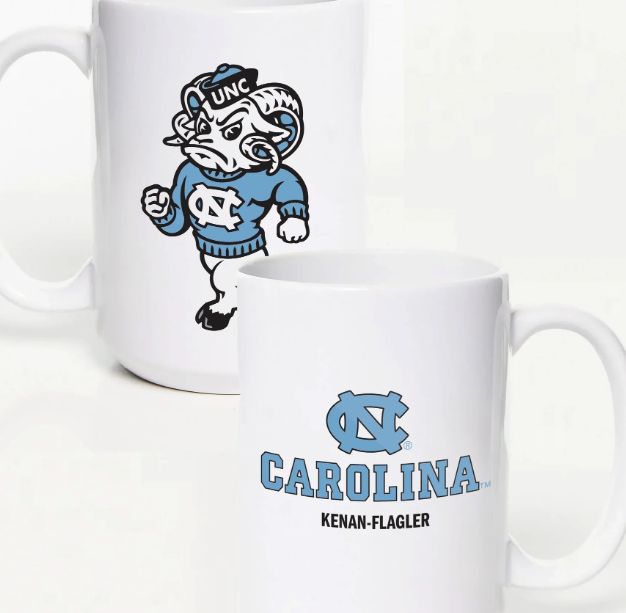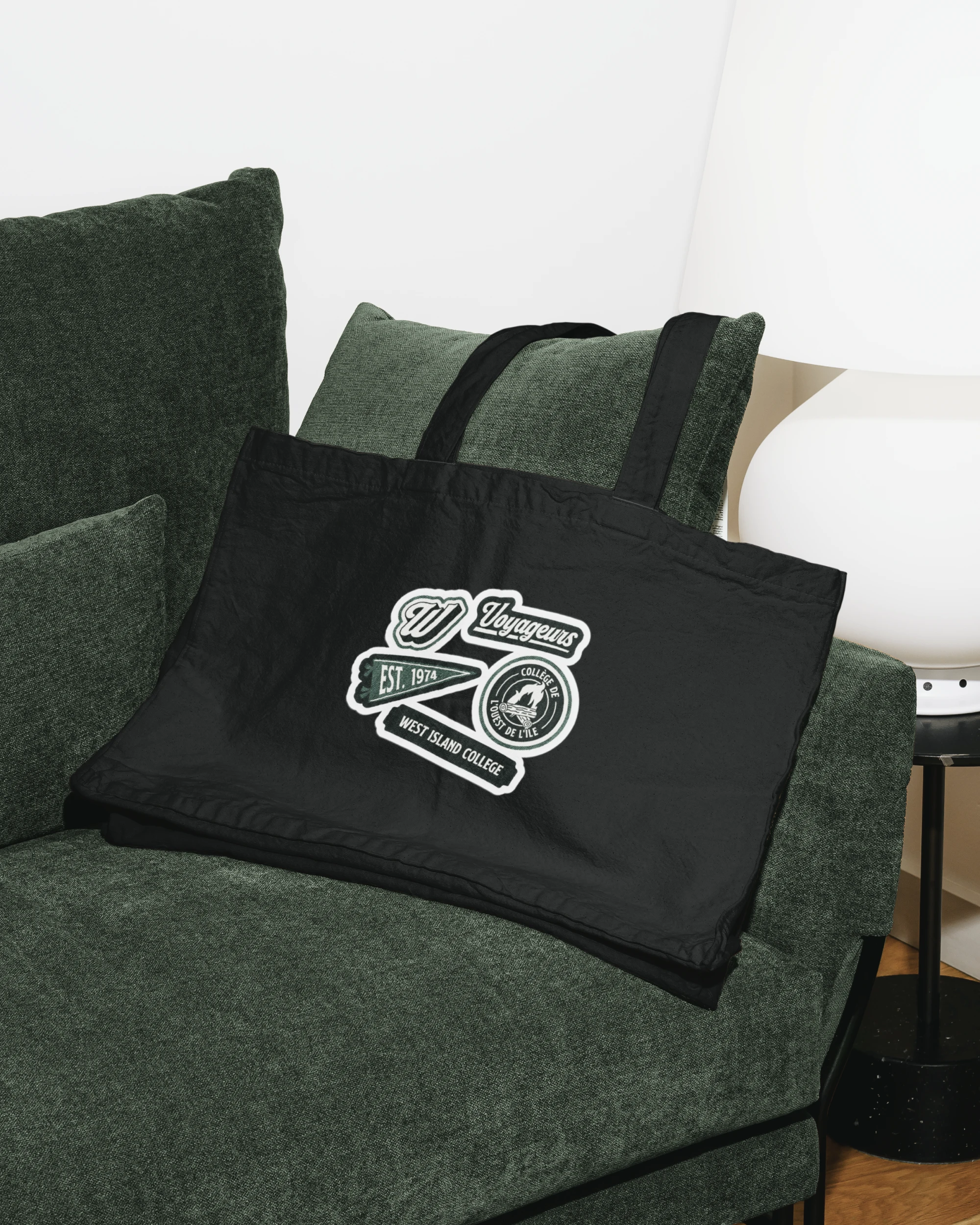
Every school — from a two-hundred-student elementary school to a fifty-thousand-student research university — runs some form of branded merchandise program, whether they call it that or not. Spirit wear sold at football games, t-shirts for the annual fund run, hoodies in the campus bookstore, polos for the admissions team, custom jerseys for varsity athletics — all of it is branded merchandise, and all of it shapes how students, staff, alumni, and the broader community perceive the institution.
The challenge is that most education institutions manage these programs in fragments. The athletics department orders through one vendor. The student activities office uses another. The alumni association prints through a local shop. The bookstore has its own supply chain. Each operates independently, producing inconsistent quality, inconsistent branding, and inconsistent pricing — while missing the economies of scale that a unified program would unlock. This guide walks through how schools and universities can build a cohesive merchandise strategy that serves every stakeholder, strengthens institutional identity, and operates within the budget realities of education. For the foundational principles behind any branded merchandise program, the complete guide to custom branded merchandise provides the strategic framework that applies across industries.
Why School Merchandise Programs Are More Complex Than They Look
Education merchandise is uniquely complex because the audience is not a single demographic — it is a constellation of groups with different needs, different budgets, and different relationships with the institution.
Students want affordable, fashion-forward pieces they will actually wear on campus and off. Parents want to show school pride without spending premium prices. Alumni want nostalgic connection to their institution, often expressed through higher-quality apparel and gifts. Faculty and staff need professional-grade branded items for events, conferences, and daily campus life. Athletics programs require performance materials that meet specific sport requirements. Admissions teams need polished recruitment swag that represents the institution's brand at its best.
Serving all of these audiences through a single program requires deliberate segmentation — different product tiers, different price points, different distribution channels — all unified under consistent brand standards. The institution's logo, colors, and typography must appear correctly across every item, from a five-dollar student t-shirt to a sixty-dollar alumni quarter-zip. This is the governance challenge that separates scattered purchasing from a real merchandise program.
Spirit Wear and Campus Identity
Spirit wear is the most visible and emotionally resonant category in school merchandise. A campus where students wear the school's colors and logo daily has a palpable sense of identity and belonging. Spirit wear does not just reflect school culture — it actively creates it.
The most effective spirit wear programs offer a curated range rather than an overwhelming catalog. A core collection of four to six essential items — a crewneck sweatshirt, a hoodie, a t-shirt, a cap, and a lightweight jacket — covers the majority of student demand. Seasonal drops or limited-edition designs tied to homecoming, orientation, or campus events create urgency and keep the catalog feeling fresh without requiring year-round inventory management.
Product quality matters more than most schools realize. A cheap hoodie with a cracking screen-printed logo that deteriorates after a few washes does not build school pride — it undermines it. Students notice quality, and they compare what their school offers against what they see peers wearing from other institutions. Investing in midweight fleece, quality blank brands, and durable decoration methods produces items that get worn for years rather than discarded after a semester. The guide to ordering custom branded hoodies covers blank selection, decoration methods, and sizing strategies in detail for the most requested spirit wear item.
Athletics Programs and Team Gear
Athletics merchandise operates under different requirements than general spirit wear. Team uniforms need to meet sport-specific performance standards — moisture-wicking fabrics, durable construction that survives seasons of competition, and decoration methods that withstand repeated industrial washing. Fan gear for athletics needs to capture the energy of game day while remaining affordable enough for broad distribution.
Most schools run athletics merchandise through a separate channel — either a dedicated athletics store or a section within the campus bookstore. The product mix typically includes replica jerseys, fan t-shirts for each sport, game-day accessories like rally towels and foam fingers, and premium sideline gear that matches what coaches and staff wear during competition.
The operational challenge with athletics is seasonality and roster changes. Football fan gear sells from August through November. Basketball gear peaks December through March. Roster-specific merchandise — a star player's jersey number, for example — can become obsolete when that player graduates or transfers. Schools that manage this well use a combination of bulk ordering for evergreen designs and print-on-demand for roster-specific or seasonal items, avoiding the dead inventory that comes from overcommitting to time-sensitive designs.
Alumni Engagement and Fundraising
Alumni merchandise serves a dual purpose: it maintains emotional connection to the institution, and it generates revenue that supports scholarships, campus improvements, and program funding. The most successful alumni merch programs understand that alumni are not students — they are adults with disposable income and nostalgia, and they respond to quality and exclusivity rather than affordability and trendiness.
Premium apparel — embroidered quarter-zips, heavyweight crewnecks, and high-quality outerwear — performs exceptionally well with alumni audiences. Class-year-specific merchandise for reunion events creates personal connection. Legacy items that reference historic campus buildings, vintage logos, or milestone anniversaries tap into the emotional resonance that drives purchasing behavior in this segment.
Fundraising integrations add another layer of value. Schools can designate a percentage of merchandise revenue from alumni purchases toward specific funds — an athletic scholarship, a building campaign, a departmental endowment. When alumni know that their purchase supports something they care about, conversion rates increase and average order values rise. The merchandise becomes a vehicle for giving, not just a product transaction.
Campus Stores and Online Storefronts
The campus store — whether a physical bookstore or an online platform — is the primary distribution channel for school merchandise. Its effectiveness depends on curation, presentation, and accessibility.
Physical campus stores benefit from in-person browsing and impulse purchasing but are limited by shelf space and operating hours. Online storefronts extend the catalog beyond physical constraints and serve remote audiences — prospective students, out-of-state alumni, parents who cannot visit campus — twenty-four hours a day. The strongest programs operate both channels with consistent pricing, shared inventory, and unified branding.
An online storefront does not need to be a custom-built e-commerce platform. White-label storefront solutions allow schools to launch a branded online store that handles product display, ordering, payment processing, and fulfillment without requiring the institution to build or maintain technology infrastructure. The Brandmerch storefronts platform provides this capability with custom domain support and institutional branding, giving schools a professional online presence without the development cost of a bespoke solution.
Student Organization Merchandise
Every campus has dozens — sometimes hundreds — of student organizations, each with its own identity and merchandise needs. Greek organizations, club sports teams, academic societies, cultural groups, and student government all want branded items, and they typically order in small quantities with tight budgets and tighter timelines.
The institutional challenge is balancing support for student organizations with brand governance. When every club orders independently through different vendors with no oversight, the result is inconsistent use of the school's name, colors, and marks — some of which may violate trademark policies. A centralized ordering system that gives student organizations access to approved templates, pre-vetted products, and compliant logo usage solves this problem while making the ordering process easier, not harder, for student leaders.
Product recommendations for student organizations should emphasize low minimums and fast turnaround. A fraternity ordering twenty-five custom t-shirts for a philanthropy event cannot wait six weeks for production. Direct-to-garment printing and small-run screen printing meet these needs at price points that student budgets can absorb. Offering a curated selection of blank options — a reliable tee, a midweight hoodie, and a structured cap — simplifies decision-making for student buyers who do not have time to evaluate dozens of catalog options.
Budget Management and Seasonal Ordering
Education institutions operate on fiscal-year budgets with defined allocation cycles, which means merchandise purchasing often follows a pattern that is predictable but inflexible. Understanding this pattern is essential for building a program that delivers results without creating budget conflicts.
Most schools see four primary ordering peaks: back-to-school in August and September for orientation, welcome week, and new student programs; homecoming and fall athletics in October and November; holiday and year-end in December for alumni gifting and departmental holiday programs; and spring commencement in April and May for graduation gifts, alumni events, and end-of-year recognition. Planning production calendars around these peaks — with orders placed six to eight weeks in advance — prevents the rush pricing and quality compromises that come from last-minute ordering.
Budget management also requires consolidation. When multiple departments order independently, the institution misses volume discounts and pays duplicated setup fees. A consolidated purchasing approach — where a central coordinator aggregates orders across departments — unlocks better per-unit pricing and creates leverage in vendor negotiations. The screen printing vs. embroidery buyer's guide helps schools evaluate decoration methods based on budget constraints, ensuring every dollar spent on decoration delivers the best possible quality at the available price point.
Building a Scalable School Merch Program
A scalable school merchandise program rests on four pillars: brand governance, centralized operations, diversified distribution, and data-driven iteration.
Brand governance means establishing clear guidelines for how the institution's marks, colors, and identity appear on merchandise — and enforcing those guidelines consistently across every department, organization, and vendor. A brand guide specific to merchandise, with approved logo placements, minimum sizes, and color specifications for different product categories, prevents the brand dilution that happens when dozens of stakeholders order independently.
Centralized operations means consolidating vendor management, order processing, and fulfillment under a single coordinating function. This does not require a large team — even a single dedicated coordinator with the right platform tools can manage a program serving an entire campus. Centralization creates consistency, captures data, and unlocks the volume pricing that fragmented purchasing cannot achieve.
Diversified distribution means serving every audience through the appropriate channel. Students buy from the campus store and online storefront. Alumni receive curated offerings through email campaigns and reunion events. Departments order through an internal portal. Athletics has its own storefront with sport-specific collections. Each channel is tailored to its audience while drawing from a shared catalog and consistent brand standards.
Data-driven iteration means tracking what sells, what gets reordered, and what sits in inventory — then using that data to refine the catalog, adjust pricing, and optimize ordering patterns for the next cycle. Schools that treat merchandise as a program rather than a series of one-off purchases compound improvements over time, producing better products at lower costs with less operational friction each year. For schools ready to evaluate platform options, the Brandmerch pricing page provides transparent cost structures that education institutions can compare against current vendor arrangements and budget allocations.