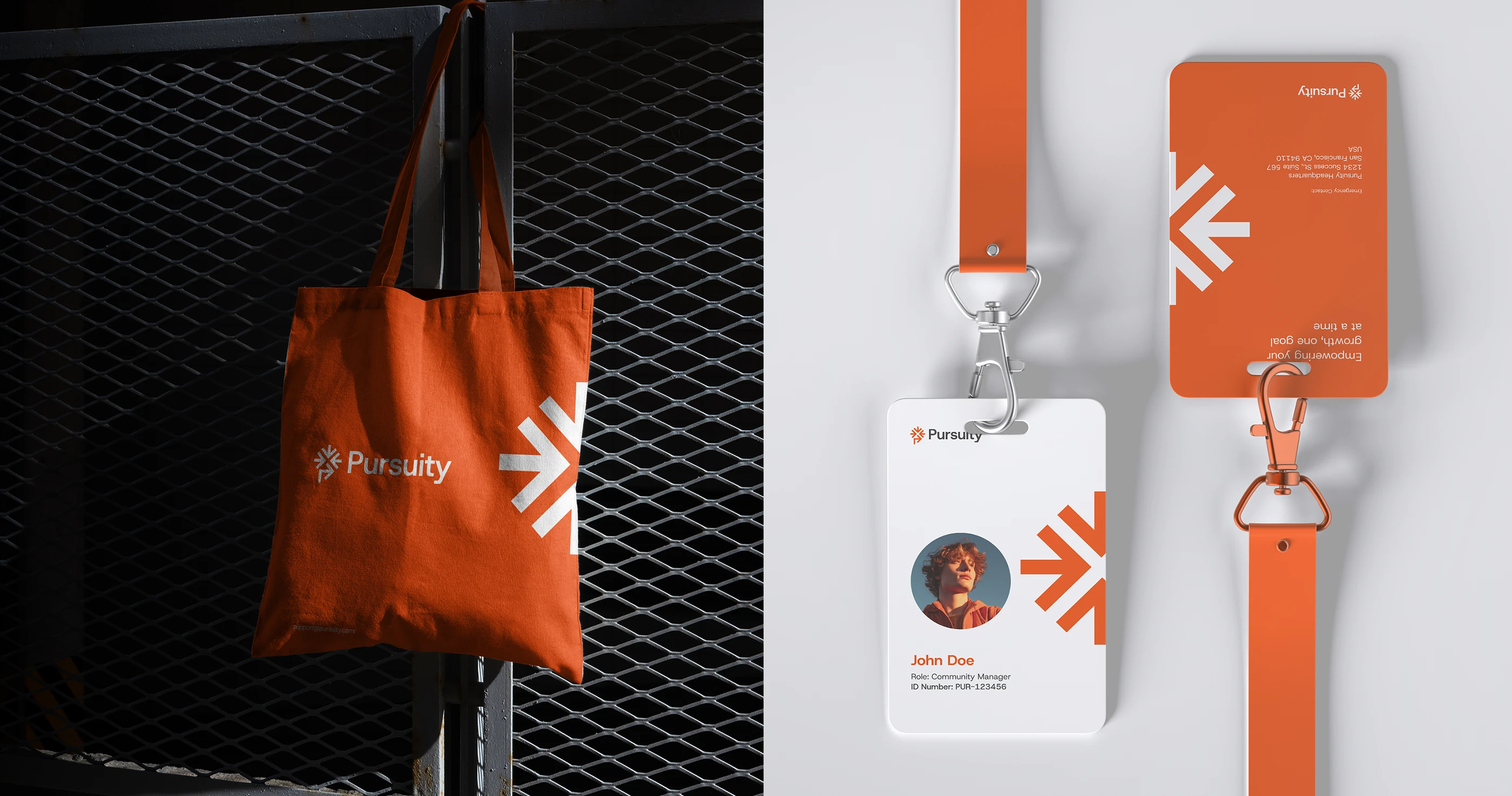
A nonprofit merch store is an online storefront that sells or distributes your branded merchandise — to donors, chapters, staff, volunteers and event attendees — without your team hand-packing boxes every time. The practical difference from a normal e-commerce store is that a nonprofit is rarely just selling. It is fulfilling donor premiums, equipping chapters, kitting event supplies and running a small shop, often all at once, usually with nobody whose job that is.
This guide covers what that actually requires, what it costs, and how to tell which of the four jobs you are really solving for — because the answer changes the setup completely.
The four jobs a nonprofit merch store does
Most guidance treats nonprofit merch as one thing. It is not, and conflating them is why so many nonprofit stores get built once and quietly abandoned.
1. Fundraising — merch people buy
A public shop where supporters buy a shirt or a tote and the margin funds the work. The trap is inventory: buy 500 shirts at a good unit price, sell 120, and you have converted restricted-feeling cash into a storage problem. Print-on-demand removes that risk at a worse unit price, which is usually the right trade until you know what sells.
2. Donor premiums — merch people receive
The tote you send at the $100 level. This is a fulfillment problem wearing a merch costume: the item barely matters, the reliability of getting it to the right address within a promised window matters enormously. It also has a compliance dimension — premium value affects the deductible portion of a gift, so your finance team needs the per-unit cost, not a vague estimate.
3. Chapters and affiliates — merch other people order
The hardest one, and the reason most nonprofits eventually need something more than a Shopify store. Twelve chapters each ordering their own shirts produces twelve interpretations of your logo, twelve vendors and twelve invoices. What you need is a catalog they order from, not permission to order.
4. Events and program supplies — merch you ship to yourself
Race shirts, gala centerpieces, volunteer kits. Deadlines that do not move, quantities that change late, and a delivery address that is a venue with a loading-dock cutoff nobody mentioned.
If you are doing three or four of these, a single storefront will not hold them. That is the honest signal that you have outgrown a shop and need a program.
What it costs
The number nonprofits usually miss is not unit price — it is the staff time. A part-time coordinator spending six hours a week on merch logistics is roughly $9,000–15,000 a year of salaried time, which is almost always larger than the software or the storage.
The real cost lines:
- Product — lowest per unit at volume, highest in risk. Print-on-demand inverts both.
- Storage — per pallet or per bin, monthly. Small for most nonprofits, but it is the line that quietly grows when a campaign underperforms.
- Fulfillment — pick, pack and ship, per order. This is what replaces the coordinator's six hours.
- Shipping — the line that surprises people on donor premiums, because you are paying it, not the recipient.
- Staff time — the largest and the only one nobody puts in the budget.
A useful test before committing: take last year's merch spend, add an honest estimate of hours spent, and divide by the number of items that reached a human. Most nonprofits are surprised, and it reframes the whole decision.
Getting the governance right
For a nonprofit, brand control is not vanity. Your logo is on the trust you have with donors, and a chapter putting it on something off-brand is a real problem rather than an aesthetic one.
Three things that make this manageable:
- A catalog, not a guidelines PDF. If chapters can only order from approved products with approved logo placements, you do not have to police anything. This single change eliminates most brand drift.
- Budget caps per chapter, enforced at checkout. A cap that blocks the order is a control. A monthly report showing an overspend is a receipt.
- Approvals that route by what is ordered, not everything. Small orders straight through, larger ones or anything touching the logo to a named approver. If approval takes more than a day, chapters will route around it and you are back where you started.
Practical decisions
Print-on-demand or bulk?
Bulk if you know the quantity — an event with registration numbers, a staff order with sizes collected. Print-on-demand if you are guessing. Our print-on-demand vs bulk ordering guide works through the break-even properly.
Should the store be public?
A public shop is a small revenue line and a large ongoing obligation — customer service, returns, tax. Many nonprofits get more value from a private store for chapters and staff plus a short public campaign around a specific moment, rather than a permanent shop nobody has time to merchandise.
Who owns it?
Whoever owns it will inherit the questions. If it lands on Development, program teams will treat it as fundraising and not use it for supplies. If it lands on Operations, it will not get the storytelling it needs to sell. Decide deliberately — the default is that it lands on whoever set it up, which is not a decision.
Where Brandmerch fits
We built Brandmerch for the case where merch has become an ongoing program rather than a one-off order — which for nonprofits usually means the moment chapters or multiple programs start ordering independently.
Practically: branded storefronts per chapter or program off one approved catalog, budget caps checked at checkout, approval routing by order value and by brand asset, one inventory position across locations so a chapter can see what already exists before ordering more, and fulfillment triggered by the order rather than by someone forwarding an email.
We are the wrong tool for some nonprofits, and it is cheaper to say so here. If you run one merch moment a year — a gala, a race — a print-on-demand shop is faster and cheaper and you should use one. If a single person handles all merch and there are no chapters, a spreadsheet genuinely works; the governance only pays for itself once more than one person is spending. And if your primary need is selling to the public at volume, a commerce platform will serve that better than we will.
If you want the strategic view first, our guide to branded merchandise for nonprofits covers what to make and why, and pricing is public.